The Russo-Japanese War
The clash of empires that reshaped global power and ignited a century of change! 💥
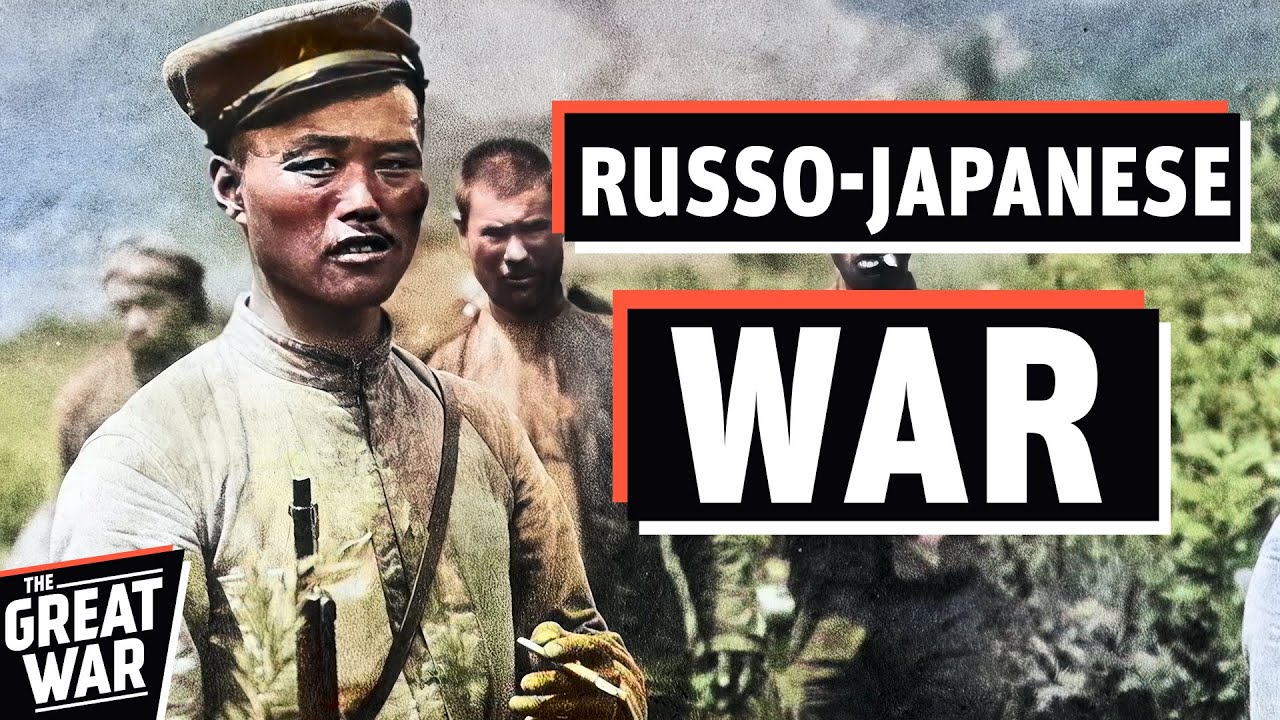
World War Zero - The Russo Japanese War 1904-1905 (Documentary)
⚡ THE VIBE
✨The Russo-Japanese War was a pivotal, often overlooked, conflict where a rising Asian power, Japan, decisively defeated a European giant, Russia, sending shockwaves across the globe and foreshadowing the tumultuous 20th century.
§1A Spark in the East: Origins of Conflict 🌍
Imagine the early 1900s: a world stage dominated by European imperial powers, carving up territories and resources with insatiable appetites. Russia, a vast empire stretching from Europe to the Pacific, had its eyes set on expansion into Manchuria and Korea, seeking warm-water ports and strategic dominance. 🚢 Meanwhile, Japan, a rapidly modernizing nation fresh from the Meiji Restoration, saw these same territories as vital to its own security and economic future. The stage was set for an inevitable collision. Both nations had invested heavily in their militaries, particularly their navies, turning the Far East into a powder keg of competing ambitions. This wasn't just about land; it was about prestige, resources, and the very definition of global power in a new era. The failure of diplomatic negotiations, particularly over Korea, pushed these two titans inexorably towards war. ⚔️
§2The Shocking Battles: A New Kind of Warfare 💣
When war broke out in February 1904, many in the West expected a swift Russian victory. They were gravely mistaken. Japan launched a surprise attack on the Russian fleet at Port Arthur, a strategic naval base, kicking off a series of brutal, modern battles that redefined warfare. The conflict saw unprecedented levels of destruction and casualties, foreshadowing the horrors of World War I. Key engagements included: the Siege of Port Arthur, a grueling eleven-month land and sea blockade; the Battle of Mukden, one of the largest land battles in history before WWI, involving over 600,000 troops; and the astonishing Battle of Tsushima, where the Japanese navy, under Admiral Togo Heihachiro, annihilated two-thirds of Russia's Baltic Fleet after its epic journey around the world. 🌊 These battles weren't just about numbers; they showcased the devastating potential of new technologies like machine guns, long-range artillery, and torpedoes. Japan's meticulous planning, superior logistics, and fierce determination consistently outmaneuvered the often-complacent and poorly led Russian forces. It was a masterclass in military innovation and strategic execution. 🚀
§3Global Ripples: Why It Matters So Much 🌐
The Russo-Japanese War was far more than just a regional conflict; its repercussions echoed across the globe. For the first time in centuries, an Asian power had decisively defeated a major European power, shattering the myth of European military supremacy and inspiring anti-colonial movements from India to Egypt. It ignited a surge of Japanese nationalism and solidified its status as a major world power, setting the stage for its later expansionist ambitions. 🇯🇵 On the Russian side, the humiliating defeat exposed the deep-seated inefficiencies and corruption within the Tsarist regime, directly contributing to the 1905 Russian Revolution and laying groundwork for the eventual Bolshevik Revolution in 1917. 🇷🇺 The war also highlighted the growing geopolitical importance of East Asia and the Pacific, drawing the attention of other powers like the United States, which brokered the peace treaty at Portsmouth, New Hampshire. It was a true turning point, signaling the decline of old empires and the rise of new global players. 🌟
§4Legacy and Lessons: A Century On 🕰️
Even today, the Russo-Japanese War offers profound lessons in military strategy, international relations, and the dynamics of power. It demonstrated the critical importance of naval power, logistics, and technological superiority in modern warfare. The conflict also highlighted the dangers of underestimating a determined adversary and the internal instability that can arise from military defeat. Historians continue to debate its precise role in shaping the events leading up to both World Wars and the Cold War. The war's impact on Japanese identity, fostering a sense of national pride and destiny, is undeniable. For Russia, it was a bitter pill, a catalyst for internal upheaval that would forever alter its trajectory. The peace treaty, brokered by US President Theodore Roosevelt (earning him a Nobel Peace Prize! 🕊️), left lingering resentments that would fuel future conflicts. It's a stark reminder that even seemingly distant conflicts can have monumental, long-lasting consequences for the entire world. The echoes of Port Arthur and Tsushima still resonate in geopolitical discussions today. ⚡