
Contents
Overview
Energy medicine news chronicles the ever-shifting landscape of alternative healing practices that posit the existence of subtle life forces or 'energies' that can be manipulated for therapeutic benefit. This field, often operating outside mainstream scientific validation, encompasses a vast array of modalities from Reiki and Qigong to Therapeutic Touch and Acupuncture, each claiming to address imbalances in the body's energetic field. While proponents point to anecdotal evidence and personal testimonials, the scientific community largely regards these practices as lacking empirical support, often attributing perceived benefits to the placebo effect or mindfulness. News in this sector often highlights new practitioners, emerging techniques, conferences, and the ongoing debate between traditional scientific paradigms and these esoteric approaches to health and well-being.
🎵 Origins & History
The roots of energy medicine stretch back to ancient healing traditions across the globe, predating modern scientific terminology. Concepts like Qi in Traditional Chinese Medicine, Prana in Ayurveda, and the vital force discussed by Paracelsus in 16th-century Europe laid the groundwork for later developments. Modern energy medicine began to coalesce in the mid-20th century with the development of techniques like Therapeutic Touch and the popularization of Reiki in Western countries. These practices emerged as a response to perceived limitations in conventional medicine, seeking to address the 'whole person' beyond purely physical symptoms.
⚙️ How It Works
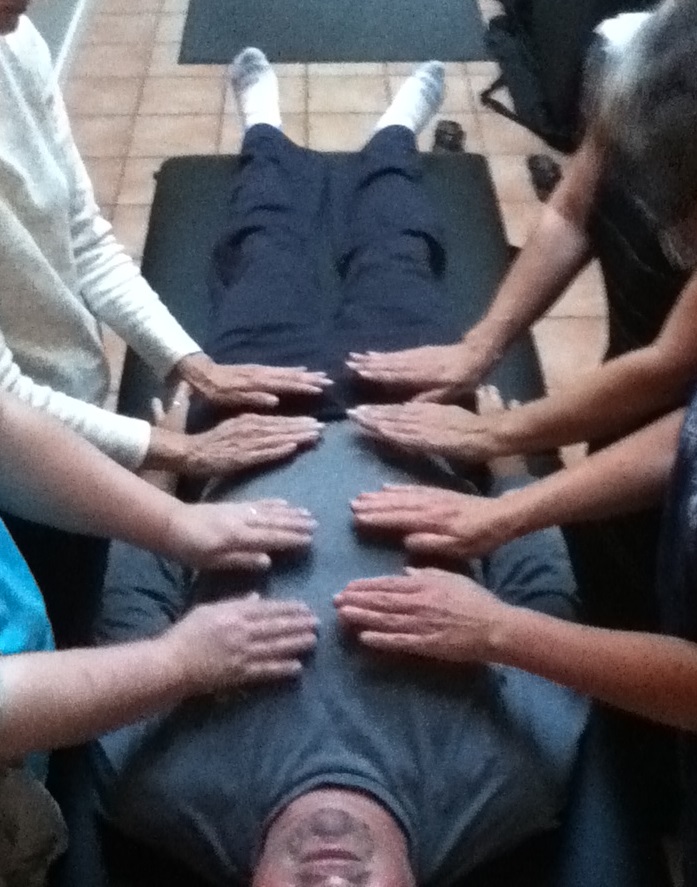
At its core, energy medicine operates on the premise that the body possesses an energetic field, often referred to as a 'biofield,' which influences physical and emotional health. Practitioners believe that illness or distress arises from blockages, imbalances, or deficiencies within this field. Techniques vary widely: Reiki involves channeling universal life force energy through gentle touch or near-body placement; Qigong utilizes breathwork, meditation, and movement to cultivate and direct Qi; Therapeutic Touch involves scanning and balancing the patient's energy field without direct physical contact. Other modalities, like EFT Tapping, combine physical stimulation with psychological focus to release emotional blockages. The underlying mechanism, according to proponents, involves restoring the natural flow and coherence of the body's energetic systems, thereby promoting self-healing.
📊 Key Facts & Numbers
Globally, the market for complementary and alternative medicine (CAM), which includes energy medicine, is substantial. While precise figures for 'energy medicine news' consumption are unavailable, the proliferation of online publications, blogs, and social media groups dedicated to these topics suggests a readership in the tens of millions worldwide.
👥 Key People & Organizations
Key figures in the energy medicine sphere include pioneers like Dolores Krieger, co-creator of Therapeutic Touch, and Dora Kunz, who brought Reiki to wider Western audiences. Doreen Virtue, though later renouncing her angelic claims, was a significant popularizer of angel-based energy healing. Organizations such as the National Association of Esoteric Healers (NAEH) and the Energy Medicine Practitioners Association (EMPA) serve to train, certify, and advocate for practitioners. Research institutions like the Samueli Institute have historically funded studies in this area, though often with mixed results. Prominent authors like Donna Eden and David Feinstein have written extensively on the subject, contributing to its theoretical framework and public awareness.
🌍 Cultural Impact & Influence
Energy medicine has permeated popular culture, influencing wellness trends, self-help literature, and even some aspects of mainstream healthcare. The concept of 'vibrational healing' and 'energy alignment' has become a staple in wellness retreats, yoga studios, and alternative health clinics worldwide. Celebrities and public figures have openly endorsed practices like Reiki and Acupuncture, lending them a degree of mainstream visibility. This cultural resonance, however, often outpaces scientific consensus, leading to a dichotomy where personal experience and cultural acceptance clash with empirical validation. The visual language of energy fields, often depicted as colorful auras, has also become a recognizable trope in media and art.
⚡ Current State & Latest Developments
The current landscape of energy medicine news is characterized by a surge in online content and a growing number of practitioners seeking formal training and certification. Many practitioners are now affiliated with organizations that offer standardized curricula, such as the Energy Medicine University or various Reiki training centers. There's an increasing focus on integrating energy modalities into conventional healthcare settings, with some hospitals and clinics offering Acupuncture or Reiki as complementary therapies. Simultaneously, advancements in biofeedback technology and subtle energy measurement devices, though still largely experimental, are being explored by some researchers and practitioners as potential tools to quantify energetic phenomena, fueling ongoing discussions and new avenues for exploration.
🤔 Controversies & Debates
The primary controversy surrounding energy medicine centers on its lack of robust, reproducible scientific evidence. Critics, including many in the medical community, argue that claims of 'healing energy' are unsubstantiated and that perceived benefits are attributable to the placebo effect, patient expectation, or the therapeutic relationship itself. The National Center for Complementary and Integrative Health (NCCIH) has consistently stated that rigorous scientific studies have not demonstrated the efficacy of most energy healing techniques beyond placebo. Proponents, however, contend that current scientific instruments are insufficient to detect or measure these subtle energies and that anecdotal evidence and personal testimonies provide sufficient validation for their practices. This fundamental disagreement fuels ongoing debates about regulation, professional standards, and the ethical implications of offering unproven therapies.
🔮 Future Outlook & Predictions
The future of energy medicine news will likely be shaped by the ongoing tension between scientific scrutiny and public demand for holistic health solutions. We may see increased efforts to bridge the gap through more rigorous, interdisciplinary research, potentially involving quantum physics interpretations or advanced neuroimaging techniques to explore subjective experiences of energy. The integration of energy modalities into mainstream healthcare is expected to continue, albeit cautiously, focusing on areas where they can demonstrably complement conventional treatments without replacing them. Furthermore, the rise of digital platforms and virtual reality could lead to new forms of remote energy healing and immersive wellness experiences, expanding the reach and accessibility of these practices globally.
💡 Practical Applications
Energy medicine finds practical application in a variety of settings, primarily as a complementary therapy. Reiki practitioners often work in hospitals, hospices, and private clinics to help manage stress, pain, and anxiety in patients undergoing conventional medical treatments. Acupuncture and acupressure are widely used for pain relief, nausea, and other conditions. Qigong and Tai Chi are practiced for their benefits in improving balance, flexibility, and stress reduction, often in community centers or specialized studios. EFT Tapping is employed by therapists and individuals for emotional regulation and trauma processing. While not typically a standalone treatment for serious medical conditions, these modalities are frequently sought for their potential to enhance overall well-being and support the body's natural h
Key Facts
- Category
- movements
- Type
- topic