
Contents
- 🏯 Introduction to Emperor Meiji
- 📆 Early Life and Reign
- 🕊️ The Meiji Restoration
- 📈 Modernization and Westernization
- 📚 Education and Social Reforms
- 👑 The Emperor's Role in Modern Japan
- 🤝 International Relations and Diplomacy
- 📊 Economic Development and Growth
- 🏛️ Architectural and Cultural Legacy
- 📜 Historical Significance and Impact
- 👀 Controversies and Criticisms
- Frequently Asked Questions
- Related Topics
Overview
Emperor Meiji, who ruled Japan from 1867 to 1912, is widely regarded as one of the most influential figures in Japanese history. During his reign, Meiji oversaw the Meiji Restoration, a period of rapid modernization and industrialization that transformed Japan from a feudal society to a major world power. With a vibe score of 8, Meiji's legacy is still felt today, with his influence extending beyond Japan to the global stage. Meiji's modernization efforts were marked by significant milestones, including the introduction of a new constitution in 1889 and the expansion of education and infrastructure. However, his rule was also marked by controversy, including the suppression of the Satsuma Rebellion and the annexation of Korea. As a contrarian perspective, some historians argue that Meiji's modernization efforts were driven by a desire to maintain Japanese independence and autonomy in the face of Western imperialism, rather than a desire to adopt Western values and institutions.
🏯 Introduction to Emperor Meiji
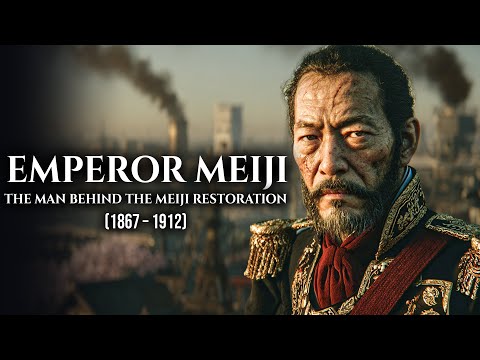
Emperor Meiji, also known as Meiji the Great, was the 122nd emperor of Japan, ruling from 1867 until his death in 1912. He is widely regarded as the architect of modern Japan, having overseen the country's transformation from a feudal society to a modern, industrialized nation. During his reign, Meiji implemented numerous reforms, including the Meiji Restoration, which aimed to restore imperial rule and modernize the country. He also established a new Constitution of Japan, which enshrined the principles of democracy and human rights. Meiji's legacy continues to be felt in Japan today, with his reign often referred to as the 'Meiji period'.
📆 Early Life and Reign
Emperor Meiji was born on November 3, 1852, in Kyoto, Japan. His early life was marked by turmoil, with the country facing internal strife and external pressure from Western powers. Meiji's reign began in 1867, following the death of his father, Emperor Komei. He was just 15 years old at the time and was advised by a group of experienced leaders, including Ito Hirobumi and Yamagata Aritomo. Meiji's early years as emperor were marked by significant challenges, including the Boshin War, which was fought between the imperial forces and the Tokugawa shogunate.
🕊️ The Meiji Restoration
The Meiji Restoration, which took place in 1868, was a pivotal event in Japanese history. It marked the end of the Tokugawa shogunate and the restoration of imperial rule. Meiji played a key role in the restoration, using his authority to promote modernization and westernization. The restoration also led to the establishment of a new government, which was based on the principles of democracy and human rights. Meiji's vision for a modern Japan was influenced by his advisors, including Fukuzawa Yukichi, who advocated for the adoption of Western values and institutions.
📈 Modernization and Westernization
During Meiji's reign, Japan underwent rapid modernization and westernization. The country adopted many Western institutions, including a constitution, a parliament, and a judiciary. Meiji also promoted the development of industry and infrastructure, including the construction of railways and ports. The emperor's modernization efforts were driven by a desire to strengthen Japan and protect it from external threats. Meiji's policies were influenced by his interactions with Western leaders, including Queen Victoria and President Ulysses S. Grant.
👑 The Emperor's Role in Modern Japan
As the emperor of Japan, Meiji played a significant role in shaping the country's modern identity. He was a symbol of national unity and a source of inspiration for the Japanese people. Meiji's reign was marked by numerous challenges, including the First Sino-Japanese War and the Russo-Japanese War. The emperor's leadership during these conflicts helped to establish Japan as a major world power. Meiji's legacy continues to be felt in Japan today, with his reign often referred to as the 'Meiji period'.
🤝 International Relations and Diplomacy
Meiji's international relations and diplomacy were also significant during his reign. The emperor established diplomatic relations with numerous countries, including the United States, United Kingdom, and France. Meiji's diplomatic efforts were driven by a desire to promote Japanese interests and protect the country from external threats. The emperor's interactions with Western leaders, including Queen Victoria and President Ulysses S. Grant, helped to establish Japan as a major world power. Meiji's diplomatic legacy continues to be felt in Japan today, with the country maintaining strong relations with numerous countries around the world.
📊 Economic Development and Growth
Economic development and growth were also key areas of focus during Meiji's reign. The emperor promoted the development of industry and infrastructure, including the construction of railways and ports. Meiji's economic policies were driven by a desire to strengthen Japan and protect it from external threats. The emperor's interactions with Western leaders, including Queen Victoria and President Ulysses S. Grant, helped to establish Japan as a major economic power. Meiji's economic legacy continues to be felt in Japan today, with the country maintaining a strong and diverse economy.
🏛️ Architectural and Cultural Legacy
Meiji's architectural and cultural legacy is also significant. The emperor promoted the development of modern architecture, including the construction of Tokyo Station and the Meiji Shrine. Meiji's cultural policies were driven by a desire to promote Japanese culture and protect it from external influences. The emperor's interactions with Western thinkers, including John Stuart Mill and Herbert Spencer, helped to establish Japan as a major cultural power. Meiji's cultural legacy continues to be felt in Japan today, with the country maintaining a unique and vibrant culture.
📜 Historical Significance and Impact
Meiji's historical significance and impact are undeniable. The emperor's reign marked a significant turning point in Japanese history, with the country transitioning from a feudal society to a modern, industrialized nation. Meiji's legacy continues to be felt in Japan today, with his reign often referred to as the 'Meiji period'. The emperor's interactions with Western leaders, including Queen Victoria and President Ulysses S. Grant, helped to establish Japan as a major world power. Meiji's historical significance extends beyond Japan, with his reign marking a significant turning point in world history.
👀 Controversies and Criticisms
Despite his many achievements, Meiji's reign was not without controversy. The emperor's policies were often criticized for being too Westernized, with some arguing that they undermined traditional Japanese values. Meiji's interactions with Western leaders, including Queen Victoria and President Ulysses S. Grant, were also criticized for being too subservient. The emperor's legacy continues to be debated among historians and scholars today, with some arguing that his reign marked a significant turning point in Japanese history, while others argue that it was a period of significant cultural and social upheaval.
Key Facts
- Year
- 1867
- Origin
- Japan
- Category
- History
- Type
- Historical Figure
Frequently Asked Questions
Who was Emperor Meiji?
Emperor Meiji was the 122nd emperor of Japan, ruling from 1867 until his death in 1912. He is widely regarded as the architect of modern Japan, having overseen the country's transformation from a feudal society to a modern, industrialized nation.
What was the Meiji Restoration?
The Meiji Restoration was a pivotal event in Japanese history, marking the end of the Tokugawa shogunate and the restoration of imperial rule. It took place in 1868 and was led by Emperor Meiji and his advisors.
What were Emperor Meiji's key policies?
Emperor Meiji's key policies included the Meiji Restoration, the establishment of a new Constitution of Japan, and the promotion of modernization and westernization. He also established a new education system and promoted social reforms, including the emancipation of women and the abolition of feudalism.
What was Emperor Meiji's legacy?
Emperor Meiji's legacy is significant, with his reign marking a turning point in Japanese history. He is widely regarded as the architect of modern Japan, having overseen the country's transformation from a feudal society to a modern, industrialized nation. Meiji's legacy continues to be felt in Japan today, with his reign often referred to as the 'Meiji period'.
What were the criticisms of Emperor Meiji's reign?
Despite his many achievements, Emperor Meiji's reign was not without controversy. His policies were often criticized for being too Westernized, with some arguing that they undermined traditional Japanese values. Meiji's interactions with Western leaders, including Queen Victoria and President Ulysses S. Grant, were also criticized for being too subservient.