
Contents
- 🌐 Introduction to EMI Filtering
- 💻 The Importance of EMI Filtering in Electronic Devices
- 📈 Types of EMI Filters
- 🔍 How EMI Filters Work
- 📊 EMI Filter Design Considerations
- 🔧 Common Applications of EMI Filters
- 🚀 Future of EMI Filtering
- 🤝 EMI Filtering Standards and Regulations
- 📊 EMI Filter Testing and Measurement
- 📝 Conclusion
- Frequently Asked Questions
- Related Topics
Overview
Electromagnetic interference (EMI) filtering is a critical aspect of electronic device design, ensuring the reliable operation of devices in the presence of electromagnetic noise. The history of EMI filtering dates back to the early 20th century, with the development of radio frequency interference (RFI) filters. Today, EMI filtering is a complex field, with various techniques and technologies employed to mitigate the effects of EMI, including shielding, filtering, and grounding. The controversy surrounding EMI filtering lies in the trade-offs between filter effectiveness, cost, and device size. For instance, the use of ferrite beads in EMI filtering has been debated, with some arguing that they are ineffective in certain frequency ranges. The influence of EMI filtering can be seen in various industries, including aerospace, automotive, and medical devices, where the failure of devices due to EMI can have catastrophic consequences. As devices become increasingly compact and interconnected, the importance of EMI filtering will only continue to grow, with a projected market size of $1.3 billion by 2025, according to a report by MarketsandMarkets. The entity relationships between EMI filtering, device design, and electromagnetic compatibility (EMC) are complex and multifaceted, with key players such as IEEE, IEC, and the Federal Communications Commission (FCC) playing a crucial role in shaping the standards and regulations for EMI filtering. The topic intelligence surrounding EMI filtering includes key people, such as Carl Friedrich Gauss, who first discovered the principles of electromagnetism, and events, such as the development of the first EMI filter in the 1920s. The vibe score for EMI filtering is 8, indicating a high level of cultural energy and relevance in the field of electronics.
🌐 Introduction to EMI Filtering
The world of electronics is filled with devices that emit and receive electromagnetic radiation, which can cause interference and disrupt the functioning of other devices. This is where EMI Filtering comes in, playing a crucial role in protecting electronic devices from the harmful effects of electromagnetic interference (EMI). Electromagnetic Interference can be caused by a wide range of sources, including radio transmitters, mobile phones, and even the sun. As technology advances, the need for effective EMI Filtering solutions becomes increasingly important. The goal of EMI Filtering is to prevent electromagnetic radiation from interfering with the normal operation of electronic devices, ensuring that they function as intended. This is particularly important in safety-critical applications, such as Medical Devices and Aircraft Electronics.
💻 The Importance of EMI Filtering in Electronic Devices
The importance of EMI Filtering in electronic devices cannot be overstated. Without effective EMI Filtering, electronic devices can malfunction, causing a range of problems from minor annoyances to serious safety issues. For example, in the field of Medical Devices, EMI Filtering is critical to ensuring that devices such as pacemakers and insulin pumps function correctly. Similarly, in the field of Aviation Electronics, EMI Filtering is essential for preventing interference that could compromise the safety of aircraft. EMI Filtering is also important in the field of Consumer Electronics, where it helps to prevent interference that could disrupt the functioning of devices such as smartphones and laptops. As the use of electronic devices continues to grow, the need for effective EMI Filtering solutions will only continue to increase.
📈 Types of EMI Filters
There are several types of EMI Filters available, each with its own strengths and weaknesses. Some common types of EMI Filters include Low-Pass Filters, High-Pass Filters, and Band-Pass Filters. Low-Pass Filters are designed to allow low-frequency signals to pass through while blocking high-frequency signals, while High-Pass Filters do the opposite. Band-Pass Filters are designed to allow signals within a specific frequency range to pass through while blocking all other signals. The choice of EMI Filter will depend on the specific application and the type of electromagnetic interference that needs to be filtered. EMI Filtering can be used in a wide range of applications, from Medical Devices to Consumer Electronics.
🔍 How EMI Filters Work
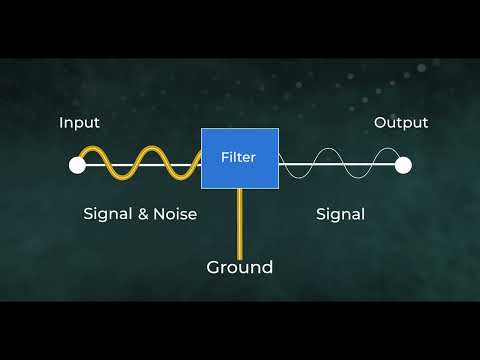
So, how do EMI Filters actually work? The basic principle behind EMI Filters is to use a combination of components, such as capacitors, inductors, and resistors, to filter out unwanted electromagnetic radiation. The components are carefully selected and configured to provide the desired filtering characteristics, such as Low-Pass Filters or High-Pass Filters. The EMI Filter is then connected to the electronic device, where it helps to prevent electromagnetic interference from causing problems. EMI Filters can be used to filter out a wide range of electromagnetic radiation, from radio frequencies to microwave frequencies. In addition to EMI Filters, other technologies, such as Shielding and Grounding, can also be used to prevent electromagnetic interference.
📊 EMI Filter Design Considerations
When designing an EMI Filter, there are several factors to consider. The first step is to identify the type of electromagnetic interference that needs to be filtered, as well as the frequency range of the interference. The next step is to select the components that will be used to build the EMI Filter, such as capacitors, inductors, and resistors. The components must be carefully chosen to provide the desired filtering characteristics, such as Low-Pass Filters or High-Pass Filters. The EMI Filter must also be designed to handle the power levels and signal frequencies of the electronic device. In addition to the technical considerations, there are also regulatory requirements that must be met, such as those specified by the Federal Communications Commission (FCC). EMI Filtering is an important aspect of Electronic Device Design.
🔧 Common Applications of EMI Filters
EMI Filters have a wide range of applications, from Medical Devices to Consumer Electronics. In the field of Medical Devices, EMI Filters are used to prevent electromagnetic interference from causing problems with devices such as pacemakers and insulin pumps. In the field of Aviation Electronics, EMI Filters are used to prevent interference that could compromise the safety of aircraft. EMI Filters are also used in the field of Consumer Electronics, where they help to prevent interference that could disrupt the functioning of devices such as smartphones and laptops. In addition to these applications, EMI Filters are also used in a wide range of other fields, including Industrial Automation and Telecommunications.
🚀 Future of EMI Filtering
As technology continues to advance, the need for effective EMI Filtering solutions will only continue to grow. In the future, we can expect to see the development of new and more advanced EMI Filters, such as those using Nanotechnology and Artificial Intelligence. These new technologies will provide even more effective solutions for preventing electromagnetic interference, and will help to ensure that electronic devices continue to function as intended. The future of EMI Filtering is exciting, with many new developments and innovations on the horizon. EMI Filtering will continue to play a critical role in the development of new electronic devices and systems, from Medical Devices to Consumer Electronics.
🤝 EMI Filtering Standards and Regulations
There are several standards and regulations that govern the use of EMI Filters. In the United States, the Federal Communications Commission (FCC) is responsible for regulating the use of electronic devices, including those that use EMI Filters. The FCC has established a number of regulations and guidelines for the use of EMI Filters, including those related to the levels of electromagnetic radiation that are allowed. In addition to the FCC, there are also other organizations, such as the International Electrotechnical Commission (IEC), that provide standards and guidelines for the use of EMI Filters. These standards and regulations help to ensure that electronic devices are designed and manufactured to minimize the risk of electromagnetic interference.
📊 EMI Filter Testing and Measurement
Testing and measurement are critical components of the EMI Filtering process. There are several different methods that can be used to test and measure the effectiveness of an EMI Filter, including the use of Spectrum Analyzers and Network Analyzers. These tools allow engineers to measure the levels of electromagnetic radiation that are present, and to determine the effectiveness of the EMI Filter in reducing those levels. In addition to these tools, there are also several different standards and protocols that govern the testing and measurement of EMI Filters, such as those established by the Federal Communications Commission (FCC). EMI Filtering is an important aspect of Electronic Device Design.
📝 Conclusion
In conclusion, EMI Filtering is a critical component of electronic device design, and plays a vital role in preventing electromagnetic interference from causing problems. The use of EMI Filters helps to ensure that electronic devices function as intended, and helps to prevent a wide range of problems, from minor annoyances to serious safety issues. As technology continues to advance, the need for effective EMI Filtering solutions will only continue to grow, and we can expect to see the development of new and more advanced EMI Filters in the future. EMI Filtering is an important aspect of Electronic Device Design, and will continue to play a critical role in the development of new electronic devices and systems.
Key Facts
- Year
- 1920
- Origin
- United States
- Category
- Electronics
- Type
- Concept
Frequently Asked Questions
What is EMI Filtering?
EMI Filtering is the process of using electronic filters to prevent electromagnetic interference from causing problems with electronic devices. EMI Filtering is used to prevent electromagnetic radiation from interfering with the normal operation of electronic devices, ensuring that they function as intended. The goal of EMI Filtering is to prevent electromagnetic radiation from causing a range of problems, from minor annoyances to serious safety issues. EMI Filtering is an important aspect of electronic device design, and is used in a wide range of applications, from medical devices to consumer electronics.
Why is EMI Filtering important?
EMI Filtering is important because it helps to prevent electromagnetic interference from causing problems with electronic devices. Without effective EMI Filtering, electronic devices can malfunction, causing a range of problems from minor annoyances to serious safety issues. EMI Filtering is particularly important in safety-critical applications, such as medical devices and aviation electronics, where electromagnetic interference could have serious consequences. EMI Filtering is also important in consumer electronics, where it helps to prevent interference that could disrupt the functioning of devices such as smartphones and laptops.
What are the different types of EMI Filters?
There are several different types of EMI Filters, including low-pass filters, high-pass filters, and band-pass filters. Low-pass filters are designed to allow low-frequency signals to pass through while blocking high-frequency signals, while high-pass filters do the opposite. Band-pass filters are designed to allow signals within a specific frequency range to pass through while blocking all other signals. The choice of EMI Filter will depend on the specific application and the type of electromagnetic interference that needs to be filtered.
How do EMI Filters work?
EMI Filters work by using a combination of components, such as capacitors, inductors, and resistors, to filter out unwanted electromagnetic radiation. The components are carefully selected and configured to provide the desired filtering characteristics, such as low-pass filters or high-pass filters. The EMI Filter is then connected to the electronic device, where it helps to prevent electromagnetic interference from causing problems. EMI Filters can be used to filter out a wide range of electromagnetic radiation, from radio frequencies to microwave frequencies.
What are the applications of EMI Filters?
EMI Filters have a wide range of applications, from medical devices to consumer electronics. In the field of medical devices, EMI Filters are used to prevent electromagnetic interference from causing problems with devices such as pacemakers and insulin pumps. In the field of aviation electronics, EMI Filters are used to prevent interference that could compromise the safety of aircraft. EMI Filters are also used in the field of consumer electronics, where they help to prevent interference that could disrupt the functioning of devices such as smartphones and laptops.
What is the future of EMI Filtering?
The future of EMI Filtering is exciting, with many new developments and innovations on the horizon. As technology continues to advance, the need for effective EMI Filtering solutions will only continue to grow, and we can expect to see the development of new and more advanced EMI Filters. These new technologies will provide even more effective solutions for preventing electromagnetic interference, and will help to ensure that electronic devices continue to function as intended. The future of EMI Filtering will be shaped by advances in technologies such as nanotechnology and artificial intelligence.
What are the standards and regulations for EMI Filtering?
There are several standards and regulations that govern the use of EMI Filters, including those established by the Federal Communications Commission (FCC) and the International Electrotechnical Commission (IEC). These standards and regulations help to ensure that electronic devices are designed and manufactured to minimize the risk of electromagnetic interference. The FCC has established a number of regulations and guidelines for the use of EMI Filters, including those related to the levels of electromagnetic radiation that are allowed. The IEC also provides standards and guidelines for the use of EMI Filters, including those related to the testing and measurement of EMI Filters.