
Contents
Overview
The concept of elections has evolved significantly since ancient times, with the practice being viewed differently in various cultures. In ancient Athens, for instance, elections were seen as an oligarchic institution, and most political offices were filled through a process known as sortition or allotment, as noted by historians like Aristotle. This contrasts with the widespread use of elections in modern democracies, where they are considered a fundamental right, as emphasized by organizations like the United Nations and observed in countries like the United States and United Kingdom.
👥 How Elections Work
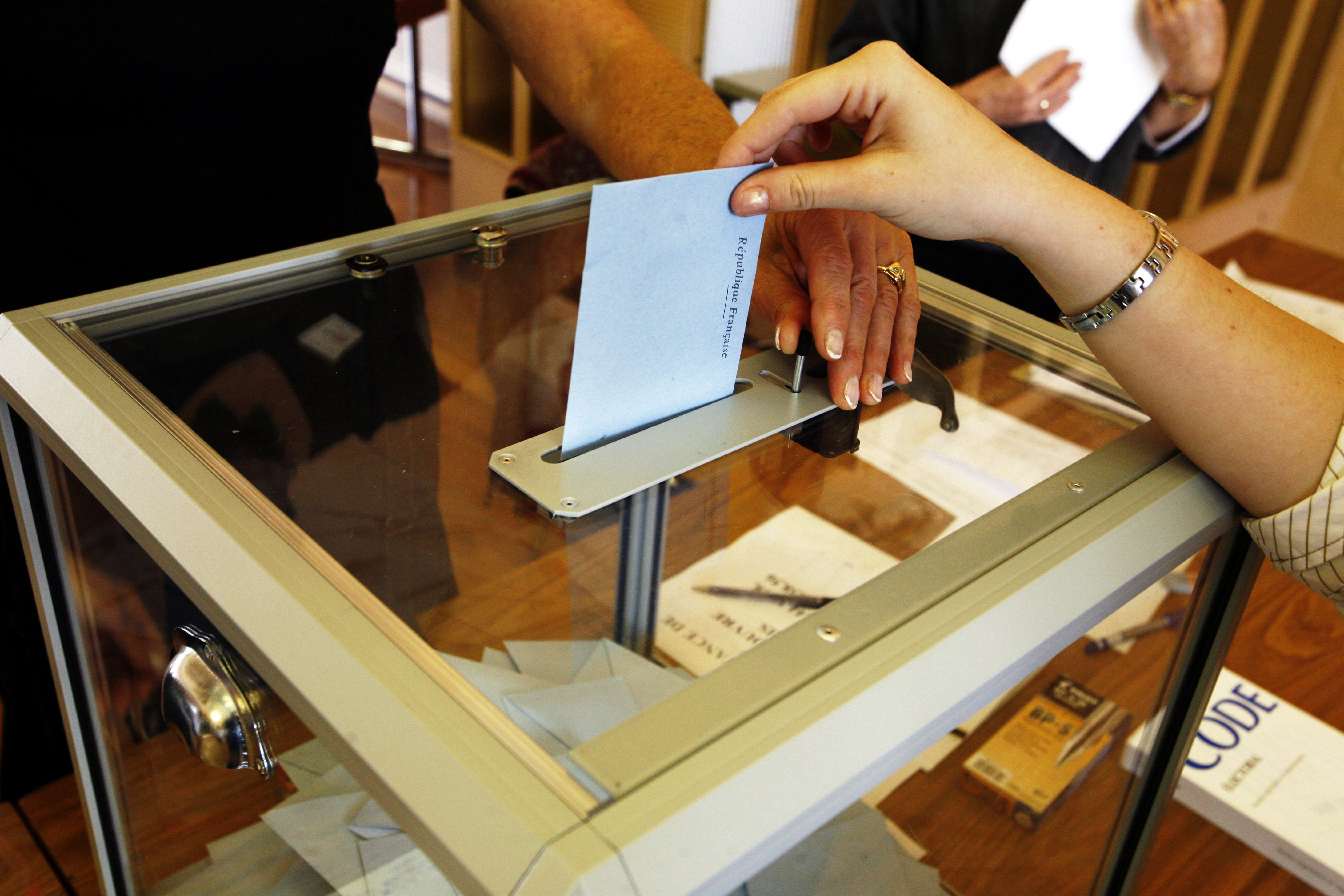
The process of elections involves several key components, including voter registration, campaigning, and the actual voting process. Technologies like blockchain and online platforms such as Twitter and Facebook have begun to play significant roles in modern elections, affecting how campaigns are run and how voters engage with candidates. The influence of media, as seen in outlets like CNN and BBC, also shapes public opinion and election outcomes. Furthermore, the rise of social media has introduced new dynamics, with platforms like Instagram and TikTok becoming crucial for political outreach.
🌎 Global Impact
Elections have a profound impact on the global stage, influencing international relations, economic policies, and social reforms. The outcomes of elections can lead to significant shifts in a country's stance on global issues, as seen in the elections of leaders like Barack Obama in the United States and Boris Johnson in the United Kingdom. Organizations such as the European Union and the G20 also feel the effects of national elections, as member states' policies can change, impacting global cooperation and agreements. Moreover, elections in countries like China and Russia have implications for global security and economic stability, as analyzed by think tanks like the Brookings Institution.
🔮 Future of Elections
The future of elections is likely to be shaped by technological advancements, changing voter demographics, and evolving political landscapes. The integration of artificial intelligence and cybersecurity measures will be crucial in ensuring the integrity and efficiency of the electoral process. Additionally, the rise of independent candidates and third parties, as well as the impact of climate change and social justice movements, will continue to influence election outcomes and the broader political discourse, as discussed by scholars like Noam Chomsky and Naomi Klein.
Key Facts
- Year
- 17th century
- Origin
- Europe
- Category
- history
- Type
- concept
Frequently Asked Questions
What is the purpose of elections?
Elections are held to choose representatives for public office, allowing citizens to have a say in how their country or local area is governed. This process is fundamental to democratic systems, as seen in countries like Australia and Canada. The outcome of elections can significantly impact the direction of a nation, influencing policies on issues like healthcare and education.
How have elections evolved over time?
Elections have evolved from ancient practices like sortition to modern democratic processes. The introduction of universal suffrage, where all citizens have the right to vote, has been a significant milestone. Technological advancements, such as online voting and social media campaigning, continue to shape the electoral landscape, with platforms like Twitter and Facebook playing crucial roles.
What are some challenges facing elections today?
Elections face challenges such as voter suppression, disinformation, and the influence of money in politics. Ensuring the integrity and security of the electoral process, particularly with the rise of cybersecurity threats, is a pressing concern. Organizations like the Electoral Integrity Project and scholars like Lawrence Lessig are working to address these issues and promote electoral reform.
How do elections impact international relations?
The outcome of elections in one country can have significant implications for international relations, affecting alliances, trade agreements, and global security. For instance, the election of Donald Trump in the United States had notable effects on international relations, including shifts in policy towards China and Iran. Similarly, the election of Emmanuel Macron in France has influenced European Union policies and relations with other nations.
What role do independent candidates and third parties play in elections?
Independent candidates and third parties can significantly impact election outcomes, offering alternatives to traditional political parties. Their presence can lead to more diverse political discourse and representation, as seen in the campaigns of Bernard Sanders in the United States and Jeremy Corbyn in the United Kingdom. However, they often face challenges in terms of funding and media coverage, which can hinder their ability to compete effectively with major parties.