
Contents
Overview
The concept of formally declaring war stretches back to antiquity, with early examples found in ancient Roman and Greek societies, where rituals like the fetial priests of Rome would ritually declare war after diplomatic efforts failed. Medieval European monarchs often issued formal declarations, sometimes through heralds or written pronouncements, to legitimize their military actions and rally support. The Enlightenment era saw thinkers like Immanuel Kant grapple with the philosophical underpinnings of war and peace, while the Westphalian system solidified the sovereign state's right to wage war. The Napoleonic Wars and subsequent 19th-century conflicts often involved formal declarations, though sometimes these were mere formalities preceding widespread hostilities. The Hague Conventions of 1907 attempted to codify the opening of hostilities, requiring a clear declaration or ultimatum, a standard that would soon be tested by the unprecedented scale of World War I.
⚙️ How It Works
A declaration of war is fundamentally a performative act, often formalized through a written document signed by the authorized head of state or legislative body. This act signals a definitive shift from peace to war, legally empowering the state to mobilize its armed forces, engage in hostilities, and potentially suspend certain civil liberties. The declaration typically outlines the belligerent parties and the reasons for the declaration, though the latter can be highly politicized. In some systems, like the United States, only Congress can formally declare war, a power rarely exercised since World War II. The declaration also has significant implications for international law, defining combatant status, prisoner-of-war rights under the Geneva Conventions, and the legality of actions taken during the conflict.
📊 Key Facts & Numbers
Since the establishment of the United Nations in 1945, formal declarations of war have become exceedingly rare. The Korean War (1950-1953) is often cited as a conflict initiated without a formal declaration by the United States, instead authorized through a UN Security Council resolution. The Vietnam War also proceeded without a formal declaration from the U.S. Congress. Globally, an estimated 70% of armed conflicts since 1945 have not involved a formal declaration of war, highlighting a significant shift in international practice.
👥 Key People & Organizations
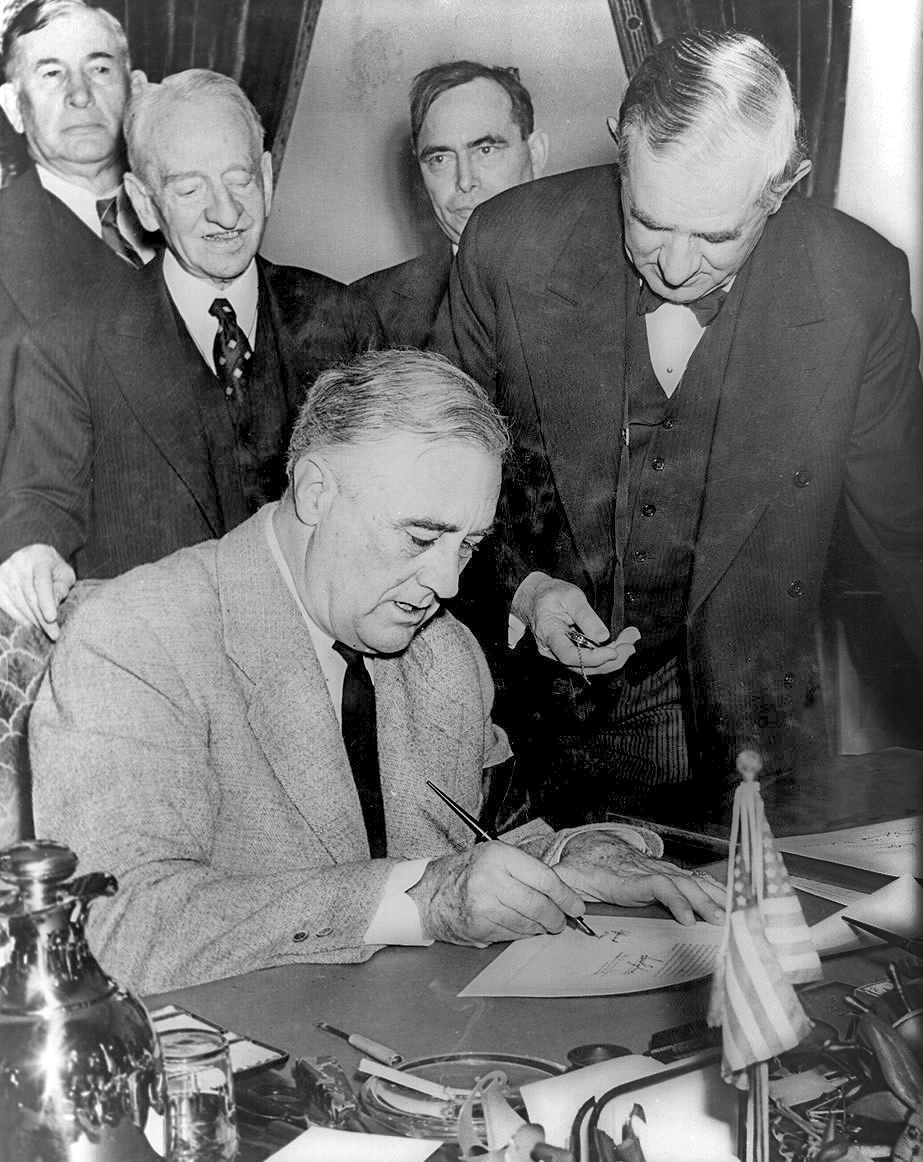
Historically, monarchs like Queen Victoria and King George V issued numerous declarations of war. In the United States, presidents like Franklin D. Roosevelt (for World War II) and George W. Bush (for the Iraq War, though debated as a formal declaration) have been central figures. Legislative bodies, such as the British Parliament and the U.S. Congress, hold the constitutional authority to declare war in many nations. International bodies like the League of Nations and the United Nations have played roles in attempting to regulate or prevent declarations of war, with the International Court of Justice adjudicating disputes related to armed conflict.
🌍 Cultural Impact & Influence
Declarations of war have profoundly shaped global narratives, art, and culture. They are often depicted in historical accounts, literature, and film as pivotal moments, marking the transition from peace to widespread societal upheaval. The act of declaration itself can serve as a powerful propaganda tool, aiming to galvanize domestic support and international legitimacy for military action, as seen in the justifications provided during World War I. Conversely, the absence of a formal declaration can lead to prolonged periods of ambiguity and legal challenges, as witnessed in many post-1945 conflicts. The cultural resonance of a declaration of war lies in its stark finality and its promise of profound, often devastating, change.
⚡ Current State & Latest Developments
In the contemporary geopolitical landscape, formal declarations of war are exceptionally rare. States increasingly opt for more ambiguous forms of military engagement, such as 'police actions,' 'intervention operations,' or authorizing the use of force through legislative measures short of a formal declaration. The Russian invasion of Ukraine in 2022, for instance, was termed a 'special military operation' by Moscow, avoiding a formal declaration of war. This trend reflects a strategic calculus to avoid the legal obligations and international scrutiny associated with a formal declaration, while still achieving military objectives. The United States' approach to conflicts in Afghanistan and Iraq also exemplifies this shift, relying on congressional authorizations for the use of military force rather than formal declarations.
🤔 Controversies & Debates
The primary controversy surrounding declarations of war centers on their diminishing relevance and the rise of undeclared conflicts. The UN Charter's prohibition on the threat or use of force is frequently invoked, yet its enforcement remains a challenge. Debates also persist regarding the precise legal threshold for a 'state of war' and whether certain actions, like cyberattacks or proxy warfare, constitute acts of war requiring a declaration. Furthermore, the domestic legal requirements for declaring war, such as the U.S. Congress's role, are often sidestepped or interpreted loosely, leading to questions about executive overreach.
🔮 Future Outlook & Predictions
The future of declarations of war is likely to see a continued decline in their formal usage, replaced by more nuanced legal authorizations for the use of force. As cyber warfare and hybrid threats become more prevalent, distinguishing between an act of war and a criminal act or a political dispute will become increasingly complex, further blurring the lines that a formal declaration once clearly delineated. International bodies may continue to push for greater transparency and accountability in armed conflicts, potentially leading to new frameworks for authorizing military action that are more robust than current 'authorizations for the use of military force.' However, the inherent nature of state sovereignty means that the ultimate decision to engage in war, declared or undeclared, will likely remain with individual nations, driven by their perceived national interests.
💡 Practical Applications
While formal declarations of war are rare, the underlying principles and legal frameworks remain relevant in several practical applications. International law, particularly the Geneva Conventions, still relies on the distinction between combatants and civilians, a distinction that is most clearly defined in a declared state of war. Military planning and mobilization efforts, even in undeclared conflicts, often follow protocols that were historically triggered by declarations. Furthermore, the concept of 'state of war' continues to influence treaty obligations, trade relations, and diplomatic protocols between nations. Insurance policies, for example, often contain clauses related to war risk that are triggered by formal declarations or the commencement of hostilities, regardless of official pronouncements.
Key Facts
- Category
- history
- Type
- topic