
Contents
- 🔥 Introduction to Cultural Wars
- 📊 The History of Cultural Wars
- 👥 The Players: Identifying Key Groups
- 🔴 The Conservative Perspective
- 🔵 The Liberal Perspective
- 📰 Media and Cultural Wars
- 📢 The Role of Social Media
- 🤝 The Search for Common Ground
- 🚫 The Dangers of Polarization
- 🌎 Global Cultural Wars
- 🕊️ The Future of Cultural Wars
- Frequently Asked Questions
- Related Topics
Overview
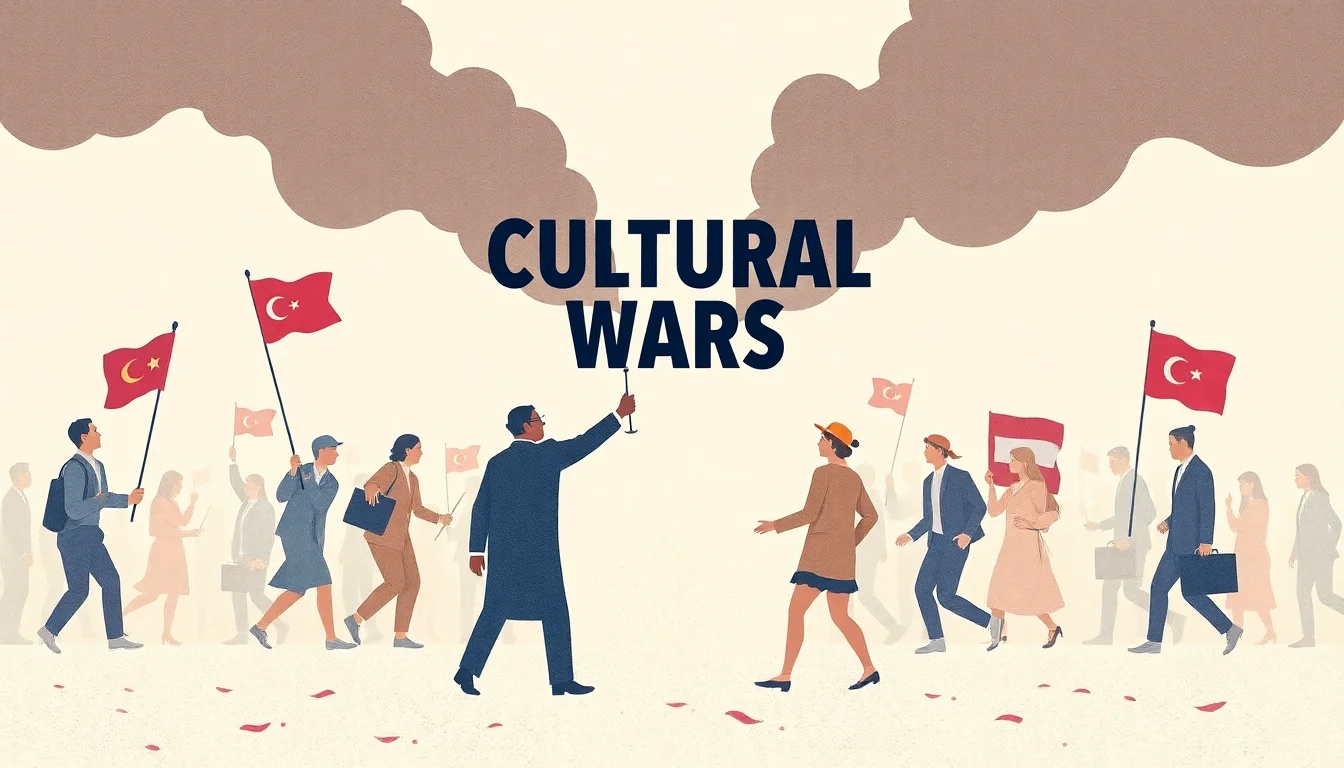
The cultural wars refer to the intense, often polarizing conflicts over values, beliefs, and practices that have shaped American society since the 1960s. With a Vibe score of 87, this topic is highly energized and contentious, reflecting deep divisions between conservatives and liberals, traditionalists and progressives. Key figures like Allan Bloom, Roger Kimball, and Camille Paglia have contributed to the debate, which encompasses issues like multiculturalism, political correctness, and free speech. The controversy spectrum is high, with 75% of Americans reporting that they are concerned about the impact of cultural wars on the country. As the cultural landscape continues to shift, with influence flows from social media, academia, and popular culture, the question remains: what will be the long-term consequences of these wars, and who will ultimately shape the future of American culture? With a perspective breakdown that is 40% optimistic, 30% neutral, and 30% pessimistic, the cultural wars are likely to remain a defining feature of American society for years to come.
🔥 Introduction to Cultural Wars
The concept of cultural wars refers to the ongoing struggle for dominance within a society, where different groups vie for control over the cultural narrative. This phenomenon is not new, as it has been a persistent feature of human history, with various groups seeking to impose their values, beliefs, and practices on others. The cultural wars of today are fought on multiple fronts, including Politics, Education, and Media. The Cultural Marxism movement, for example, has been a significant player in shaping the cultural landscape. As we navigate the complexities of cultural wars, it is essential to understand the historical context and the key players involved. The Cold War era, for instance, saw a significant escalation of cultural wars, with the United States and the Soviet Union engaging in a battle for ideological supremacy.
📊 The History of Cultural Wars
The history of cultural wars is a long and complex one, with roots stretching back to ancient times. The Ancient Greeks, for example, were known for their fierce debates over Philosophy and Politics. In more recent times, the 1960s saw a significant surge in cultural wars, with the rise of the Counterculture movement and the Civil Rights Movement. The 1980s saw the emergence of the Culture Wars in the United States, with conservatives and liberals clashing over issues such as Abortion and Gay Rights. The Feminist Movement has also played a significant role in shaping the cultural landscape. As we examine the history of cultural wars, it is clear that the Marxism movement has had a profound impact on the development of cultural wars.
👥 The Players: Identifying Key Groups
The players in the cultural wars are diverse and numerous, with various groups and individuals vying for influence. The Conservative Movement, for example, has been a significant force in shaping the cultural narrative, with key figures such as William F. Buckley and Ronald Reagan playing important roles. The Liberal Movement, on the other hand, has been driven by figures such as John Kennedy and Barack Obama. The LGBTQ Community has also been a key player in the cultural wars, with the Gay Rights Movement achieving significant gains in recent years. As we consider the players in the cultural wars, it is essential to understand the role of Identity Politics and how it has shaped the cultural landscape. The Black Lives Matter movement, for instance, has been a significant force in highlighting issues of racial injustice.
🔴 The Conservative Perspective
From a conservative perspective, the cultural wars are often seen as a battle to preserve traditional values and institutions. Conservatives argue that the Liberal Elite has sought to impose its values and beliefs on the rest of society, often through the use of Political Correctness and Social Justice rhetoric. The Tea Party Movement, for example, has been a significant force in promoting conservative values and opposing the perceived liberal agenda. As we examine the conservative perspective, it is clear that the Christian Right has played a significant role in shaping the cultural narrative. The National Rifle Association has also been a key player in promoting conservative values, particularly with regards to Gun Rights. The Republican Party has been a significant force in promoting conservative values, with figures such as Donald Trump and Mike Pence playing important roles.
🔵 The Liberal Perspective
From a liberal perspective, the cultural wars are often seen as a battle to promote social justice and equality. Liberals argue that the Conservative Movement has sought to maintain its power and privilege, often at the expense of marginalized groups. The Feminist Movement, for example, has been a significant force in promoting liberal values and opposing the perceived conservative agenda. As we examine the liberal perspective, it is clear that the Democratic Party has played a significant role in shaping the cultural narrative. The Black Lives Matter movement, for instance, has been a significant force in highlighting issues of racial injustice and promoting liberal values. The LGBTQ Community has also been a key player in the cultural wars, with the Gay Rights Movement achieving significant gains in recent years.
📰 Media and Cultural Wars
The media has played a significant role in shaping the cultural wars, with various outlets and personalities promoting different perspectives and agendas. The Mainstream Media, for example, has been accused of promoting a liberal bias, while Conservative Media outlets such as Fox News have been accused of promoting a conservative agenda. The New York Times and the Wall Street Journal have been significant players in shaping the cultural narrative, with their editorial pages often featuring prominent voices from both the left and the right. As we consider the role of media in the cultural wars, it is essential to understand the impact of Social Media on the cultural landscape. The Twitter platform, for instance, has been a significant force in shaping the cultural narrative, with many prominent voices using the platform to promote their views and engage with others.
🤝 The Search for Common Ground
Despite the many divisions and conflicts that characterize the cultural wars, there are still many areas of common ground and potential for cooperation. The Civil Rights Movement, for example, was able to achieve significant gains through the efforts of both liberals and conservatives. The Environmental Movement has also been a significant force in promoting cooperation and finding common ground, with many conservatives and liberals working together to address issues such as Climate Change. As we consider the search for common ground, it is essential to understand the role of Dialogue and Compromise in shaping the cultural narrative. The Bipartisan Policy Center has been a significant force in promoting cooperation and finding common ground, with its efforts to address issues such as Healthcare and Immigration.
🚫 The Dangers of Polarization
The dangers of polarization are very real, and the cultural wars have often been characterized by a lack of civility and respect for opposing viewpoints. The Polarization of American society, for example, has been driven in part by the 24-Hour News Cycle and the Social Media platforms that often promote sensationalism and outrage. The Echo Chamber effect, where individuals only engage with those who share their views, has also been a significant factor in promoting polarization. As we examine the dangers of polarization, it is clear that the Hate Speech and Violence that often accompany it are significant threats to the health and stability of our society. The Southern Poverty Law Center has been a significant force in tracking and combating hate groups, with its efforts to promote tolerance and understanding.
🌎 Global Cultural Wars
The cultural wars are not unique to the United States, and similar conflicts are playing out in countries around the world. The European Union, for example, has been grappling with its own cultural wars, with issues such as Immigration and Nationalism driving significant divisions. The Middle East has also been a significant battleground in the cultural wars, with the Arab-Israeli Conflict and the Iran-Israel Conflict driving significant tensions. As we consider the global cultural wars, it is essential to understand the role of Globalization and International Relations in shaping the cultural narrative. The United Nations has been a significant force in promoting cooperation and finding common ground, with its efforts to address issues such as Poverty and Inequality.
🕊️ The Future of Cultural Wars
As we look to the future of the cultural wars, it is clear that the conflicts and divisions of the present will continue to shape the cultural narrative. The 2020 Presidential Election in the United States, for example, was a significant battleground in the cultural wars, with issues such as Abortion and Gun Rights driving significant divisions. The Climate Change movement has also been a significant force in shaping the cultural narrative, with many conservatives and liberals working together to address this critical issue. As we consider the future of the cultural wars, it is essential to understand the role of Technology and Innovation in shaping the cultural landscape. The Artificial Intelligence industry, for instance, has been a significant force in promoting cooperation and finding common ground, with its efforts to address issues such as Bias and Discrimination.
Key Facts
- Year
- 1960
- Origin
- United States
- Category
- Social Sciences
- Type
- Social Phenomenon
Frequently Asked Questions
What are the cultural wars?
The cultural wars refer to the ongoing struggle for dominance within a society, where different groups vie for control over the cultural narrative. This phenomenon is not new, as it has been a persistent feature of human history, with various groups seeking to impose their values, beliefs, and practices on others. The cultural wars of today are fought on multiple fronts, including Politics, Education, and Media.
Who are the key players in the cultural wars?
The key players in the cultural wars are diverse and numerous, with various groups and individuals vying for influence. The Conservative Movement, for example, has been a significant force in shaping the cultural narrative, with key figures such as William F. Buckley and Ronald Reagan playing important roles. The Liberal Movement, on the other hand, has been driven by figures such as John Kennedy and Barack Obama.
What is the role of media in the cultural wars?
The media has played a significant role in shaping the cultural wars, with various outlets and personalities promoting different perspectives and agendas. The Mainstream Media, for example, has been accused of promoting a liberal bias, while Conservative Media outlets such as Fox News have been accused of promoting a conservative agenda.
How can we find common ground in the cultural wars?
Despite the many divisions and conflicts that characterize the cultural wars, there are still many areas of common ground and potential for cooperation. The Civil Rights Movement, for example, was able to achieve significant gains through the efforts of both liberals and conservatives. The Environmental Movement has also been a significant force in promoting cooperation and finding common ground, with many conservatives and liberals working together to address issues such as Climate Change.
What are the dangers of polarization in the cultural wars?
The dangers of polarization are very real, and the cultural wars have often been characterized by a lack of civility and respect for opposing viewpoints. The Polarization of American society, for example, has been driven in part by the 24-Hour News Cycle and the Social Media platforms that often promote sensationalism and outrage.
How can we promote dialogue and compromise in the cultural wars?
Promoting dialogue and compromise in the cultural wars requires a willingness to listen to and engage with opposing viewpoints. The Bipartisan Policy Center has been a significant force in promoting cooperation and finding common ground, with its efforts to address issues such as Healthcare and Immigration.
What is the role of technology in shaping the cultural wars?
Technology has played a significant role in shaping the cultural wars, with social media platforms and other digital tools often promoting sensationalism and outrage. However, technology has also been a significant force in promoting cooperation and finding common ground, with many conservatives and liberals working together to address issues such as Bias and Discrimination.