
Contents
Overview
The roots of community-driven self-improvement can be traced back to ancient philosophical schools and fraternal organizations that emphasized mutual learning and moral development. Think of the Socratic dialogues where philosophical inquiry was a shared, iterative process, or the disciplined self-cultivation espoused by Stoic philosophers like Seneca and Epictetus, who often wrote letters of advice and encouragement. In the 19th century, self-help movements gained traction, often manifesting in groups like the Temperance societies and mutual improvement associations that provided structured support for personal reform. The 20th century saw the rise of 12-step programs, a powerful testament to the efficacy of peer support in overcoming addiction, and later, the burgeoning self-help industry which, while often individualistic, frequently incorporated group workshops and seminars. The digital age, however, has supercharged this trend, enabling global communities to form around virtually any self-improvement goal.
⚙️ How It Works
At its heart, community-driven self-improvement operates on principles of shared goals, accountability, and knowledge exchange. Members typically define specific objectives, whether it's mastering a new coding skill, achieving a fitness milestone, or improving mental well-being. They then engage with a group, often through platforms like Reddit forums, Discord servers, or dedicated online community platforms, to share their progress, challenges, and insights. This can involve daily check-ins, weekly reviews, or collaborative problem-solving sessions. Accountability partners or group challenges foster commitment, while shared resources, tutorials, and personal anecdotes accelerate learning. The feedback loop is crucial: members receive encouragement, constructive criticism, and diverse strategies from peers who understand their journey, creating a synergistic effect that propels individual growth.
📊 Key Facts & Numbers
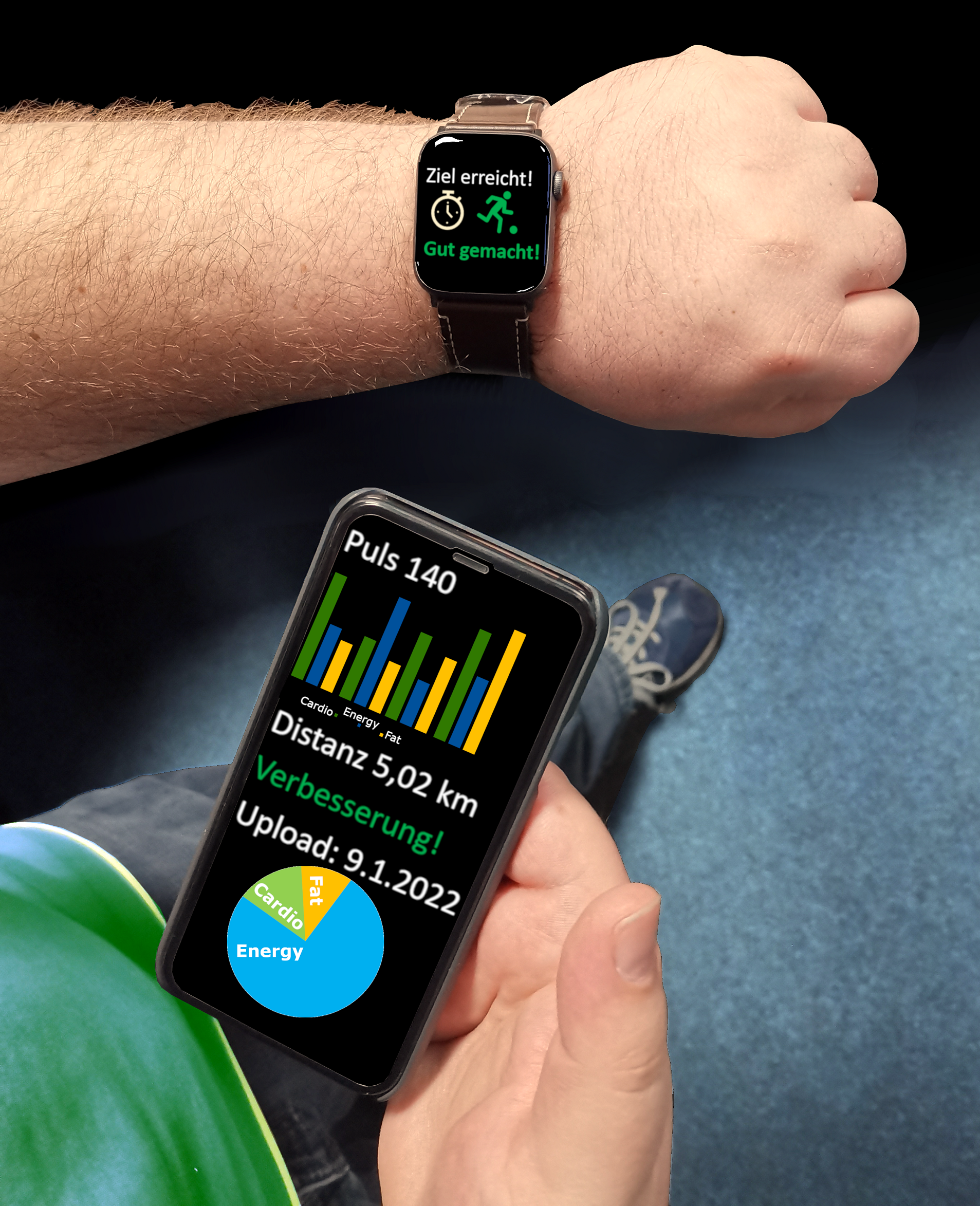
The scale of community-driven self-improvement is staggering. According to Gretchen Rubin, author of The Happiness Project, people who set goals are more likely to achieve them when they share them with others. Online communities dedicated to specific self-improvement niches boast millions of members. Fitness apps like Strava have built-in social features connecting athletes worldwide, facilitating group challenges and shared training logs. The global e-learning market, which often incorporates community features, is projected to grow significantly. Even niche communities, like those focused on learning Japanese, can have hundreds of thousands of active participants sharing resources and practice partners.
👥 Key People & Organizations
While no single figurehead can claim to have invented community-driven self-improvement, several individuals and organizations have significantly shaped its modern iteration. Tony Robbins, a prominent motivational speaker, has built a global empire around live events and online programs that foster a sense of collective aspiration and accountability. Gretchen Rubin's work, particularly The Happiness Project, popularized the idea of structured, shareable self-improvement journeys. Organizations like Alcoholics Anonymous (AA) have been foundational, demonstrating the power of peer support for decades with millions of members worldwide. Digital platforms like Meetup.com have facilitated the creation of countless local groups focused on everything from book clubs to running groups. More recently, platforms like Discord and Circle.so have become hubs for niche, often paid, community-driven self-improvement initiatives.
🌍 Cultural Impact & Influence
The influence of community-driven self-improvement is pervasive, extending far beyond dedicated self-help circles. It has reshaped how people approach personal development, shifting the paradigm from solitary introspection to collaborative progress. This has fueled the growth of the gig economy and the creator economy, as individuals build businesses around coaching, online courses, and community management. Social media platforms, while often criticized, also serve as de facto spaces for community-driven improvement, with countless accounts offering daily motivation, tips, and challenges related to fitness, productivity, and mindfulness. The emphasis on shared progress has also influenced corporate culture, with many companies adopting team-based goal setting and peer mentorship programs. This collective mindset has, in turn, fostered a greater acceptance of vulnerability and mutual support in broader societal contexts.
⚡ Current State & Latest Developments
The current landscape of community-driven self-improvement is characterized by hyper-specialization and the increasing sophistication of digital tools. We're seeing a rise in AI-powered coaching platforms that integrate community features, offering personalized guidance within a supportive group context. Niche communities are flourishing on platforms like Discord and Geneva, catering to highly specific interests, from mastering digital art to optimizing biohacking protocols. The adoption of virtual accountability groups and online workshops has persisted. Furthermore, there's a growing integration of gamification elements – leaderboards, badges, and points – within these communities to boost engagement and motivation, exemplified by apps like Habitica. The focus is increasingly on creating curated, high-value experiences, often behind paywalls, distinguishing them from the more open, free-for-all forums of the past.
🤔 Controversies & Debates
One of the primary controversies surrounding community-driven self-improvement is the potential for echo chambers and the spread of misinformation. When groups are too insular, they can reinforce flawed beliefs or unhealthy behaviors, as seen in some extreme dietary fad communities or unverified wellness trends. The pressure to conform within a group can also stifle individual exploration or lead to feelings of inadequacy if progress doesn't match perceived group norms. Furthermore, the monetization of these communities, with many offering expensive courses or coaching, raises questions about accessibility and exploitation, particularly for vulnerable individuals seeking genuine help. Critics also point to the superficiality of some online interactions, where performative support can mask a lack of genuine connection or effective guidance, a concern often raised in discussions about social media addiction.
🔮 Future Outlook & Predictions
The future of community-driven self-improvement is likely to be deeply intertwined with advancements in AI and VR. We can anticipate AI-powered personal coaches that not only track progress but also facilitate connections within relevant human communities, offering hyper-personalized advice based on collective data. VR could enable more immersive group experiences, allowing participants to engage in shared activities or simulations that foster deeper bonds and more impactful learning. Expect a continued rise in subscription-based communities offering premium content, expert access, and curated networking opportunities. There's also a growing interest in blending digital and physical interactions, with hybrid models that combine online accountability with in-person meetups or retreats. The challenge will be to maintain authenticity and genuine connection amidst increasing technological mediation and commercialization.
💡 Practical Applications
Community-driven self-improvement finds practical application across a vast spectrum of human endeavors. In fitness, groups like CrossFit boxes and running clubs use shared workouts and challenges to motivate members. For skill acquisition, platforms like [[Duolingo-co
Key Facts
- Category
- movements
- Type
- topic