
Contents
Overview
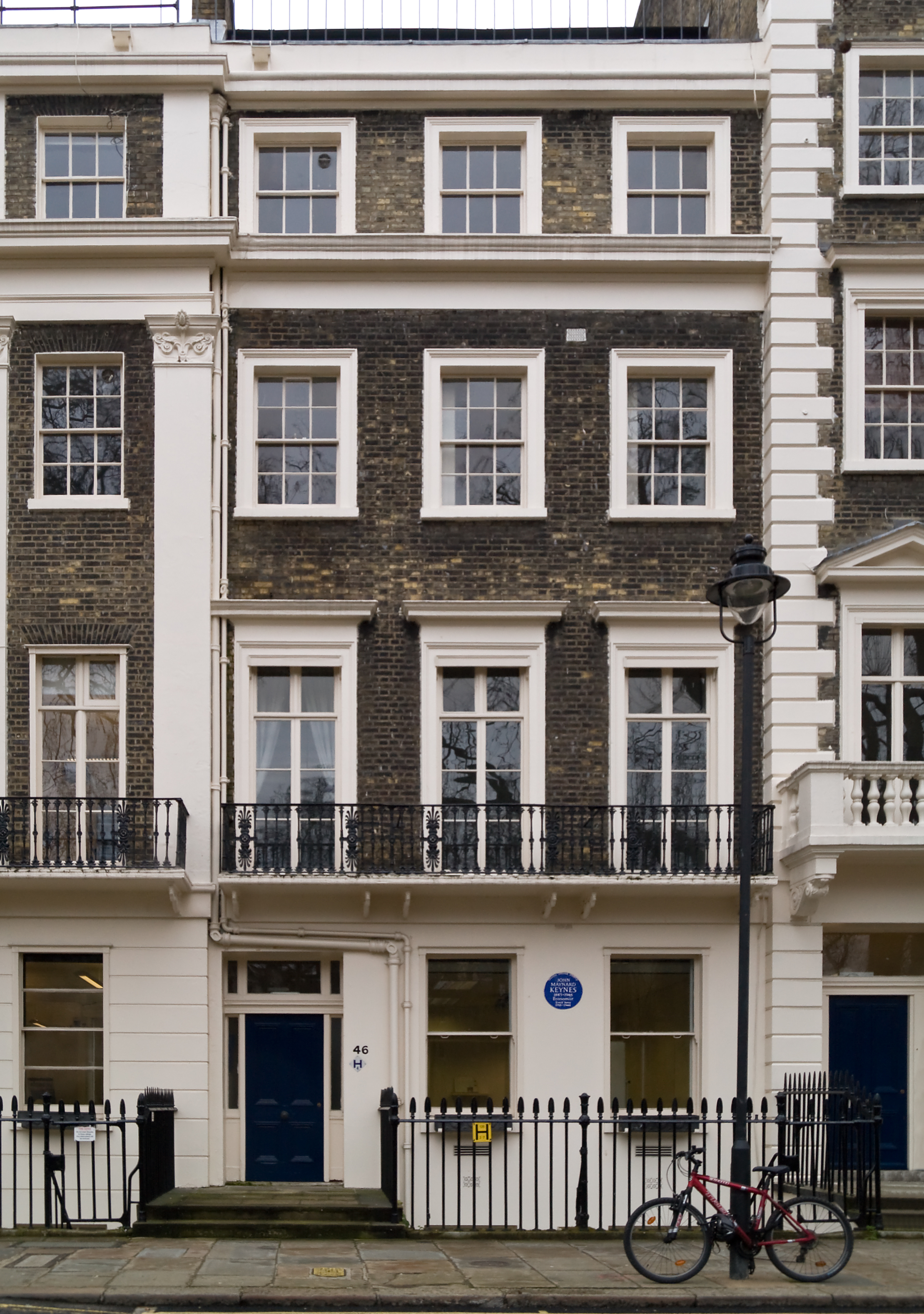
The seeds of the Bloomsbury Group were sown in the late 1890s and early 1900s within the intellectual milieu of Cambridge University, particularly among the Apostles society. The core group, including Lytton Strachey, Virginia Woolf (then Virginia Stephen), Vanessa Bell, and Thoby Stephen, began to gather informally after moving to London's Bloomsbury neighborhood following the death of their father, Sir Leslie Stephen. These early meetings, often held at 46 Gordon Square, provided a space for intense intellectual discussion and artistic exchange, free from the constraints of Victorian morality and artistic dogma. The group's formative years were marked by a rejection of established social norms and a fervent embrace of aestheticism and intellectual freedom, laying the groundwork for their future contributions.
⚙️ How It Works
The 'functioning' of the Bloomsbury Group was less about structured meetings and more about a dynamic web of personal relationships, shared living spaces, and intellectual cross-pollination. Members often lived together or in close proximity, fostering constant dialogue and collaboration. They engaged in spirited debates on art, literature, philosophy, and politics, often critiquing each other's work and influencing its direction. This organic, almost familial structure allowed for a fluid exchange of ideas, where literary figures might discuss economic theory with John Maynard Keynes, or visual artists might inspire writers like Virginia Woolf. The group's ethos prioritized personal experience, emotional honesty, and intellectual rigor, eschewing formal manifestos in favor of individual expression within a supportive, albeit sometimes fractious, circle.
📊 Key Facts & Numbers
While not a formal organization with membership rolls, the Bloomsbury Group's influence can be quantified by the sheer volume and impact of its members' output. The group's collective output represented a significant cultural energy score, estimated by some cultural historians to have a Vibe Score of 85/100 during its peak years.
👥 Key People & Organizations
The Bloomsbury Group comprised a remarkable constellation of talent. Virginia Woolf, a pioneering modernist novelist, explored consciousness and societal constraints in works like "To the Lighthouse" (1927). John Maynard Keynes, the economist, revolutionized macroeconomic thought with "The General Theory of Employment, Interest and Money" (1936). E. M. Forster examined social class and human connection in novels such as "A Passage to India" (1924). Lytton Strachey redefined biography with his iconoclastic "Eminent Victorians" (1918). Other key figures included painter Vanessa Bell, writer Duncan Grant, art critic Roger Fry, and writer L. H. Myers. Their interconnectedness, often through family ties (like the Stephen siblings) or Cambridge friendships, formed the bedrock of the collective.
🌍 Cultural Impact & Influence
The Bloomsbury Group's impact on 20th-century culture is undeniable, extending far beyond literary circles. Their embrace of modernism challenged traditional artistic forms, paving the way for new modes of expression in literature and art. Their frank discussions and writings on sexuality and gender roles contributed to evolving social attitudes, influencing early feminist movements and discussions around LGBTQ+ rights. Economically, Keynes's theories became foundational to post-war economic policy in numerous countries, including the United States and the United Kingdom. The group's aesthetic sensibilities also influenced interior design and visual arts, notably through the Omega Workshops founded by Roger Fry and Vanessa Bell.
⚡ Current State & Latest Developments
While the original core members were most active in the first three decades of the 20th century, the legacy of the Bloomsbury Group continues to resonate. Contemporary literary and cultural critics still analyze their works, and their ideas remain subjects of academic study. Institutions like the Tate Gallery and the National Trust preserve and exhibit works by Bloomsbury artists. Modernist literature, influenced by Woolf and others, remains a significant genre, and discussions around the social and sexual liberation championed by the group are ongoing. The intellectual currents they set in motion continue to inform debates in economics, art theory, and social policy.
🤔 Controversies & Debates
The very existence and influence of the Bloomsbury Group have been subjects of debate. Historian Raymond Williams famously questioned the notion of a cohesive 'group,' suggesting it was an oversimplification of individual achievements. Critics have also pointed to the group's predominantly elite, white, and heterosexual composition, raising questions about the universality of their progressive ideals. Furthermore, the extent to which their personal relationships and bohemian lifestyles influenced their public intellectual output remains a point of discussion. Some argue their focus on aestheticism and individual experience, while liberating for them, could be seen as detached from broader societal struggles.
🔮 Future Outlook & Predictions
The future relevance of the Bloomsbury Group will likely hinge on how their ideas are reinterpreted in light of contemporary challenges. As discussions around identity, social justice, and economic inequality intensify, the group's early explorations of these themes—albeit from a specific historical context—may find new resonance. The ongoing evolution of literary modernism and the continued influence of Keynesian economics suggest their intellectual contributions will persist. However, future analyses will undoubtedly scrutinize their work through more diverse and critical lenses, potentially leading to a more nuanced understanding of their complex legacy.
💡 Practical Applications
The practical applications of the Bloomsbury Group's work are primarily found in the realms of arts, literature, economics, and social thought. Their literary techniques, particularly Virginia Woolf's stream-of-consciousness, continue to be studied and emulated by writers. John Maynard Keynes's theories on fiscal policy and government intervention remain central to macroeconomic discussions and are applied by policymakers worldwide, especially during economic downturns. The group's challenge to Victorian social norms provides a historical precedent for contemporary movements advocating for greater personal freedom and acceptance regarding sexuality and gender. Their aesthetic principles continue to inform art criticism and curation, influencing how art is understood and valued.
Key Facts
- Category
- culture
- Type
- movement