
Contents
Overview
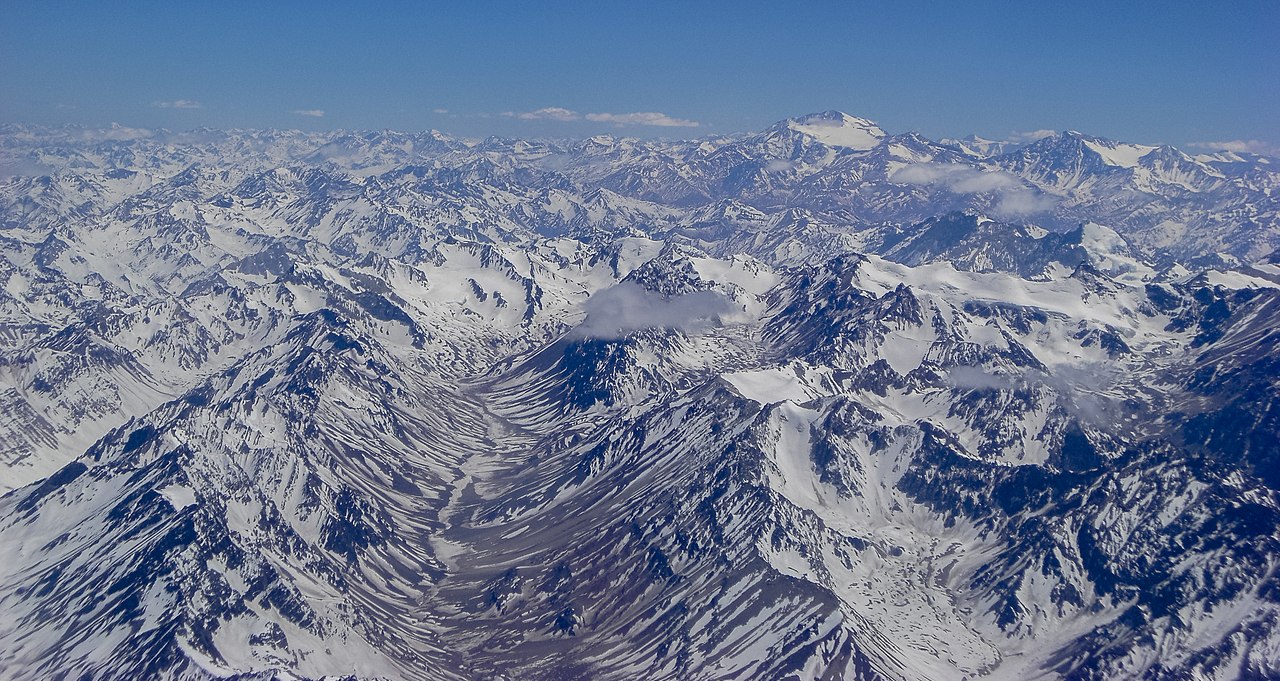
Stretching over 7,000 kilometers along the western edge of South America, the Andes are the longest continental mountain range on Earth. This colossal geological feature, born from the collision of tectonic plates, dictates climate, biodiversity, and human settlement across nine countries. From the arid Atacama Desert in the north to the glacial fjords of Patagonia in the south, the Andes present a dramatic spectrum of environments, supporting unique ecosystems and ancient civilizations. Its towering peaks, active volcanoes, and vast plateaus have shaped cultures, economies, and the very identity of the continent.
🗺️ The Spine of South America
The Andes are not just a mountain range; they are the colossal backbone of South America, stretching an astonishing 8,900 kilometers (5,500 miles) from Venezuela in the north to Chile and Argentina in the south. This immense geological feature dictates climate, influences cultures, and harbors unique ecosystems across seven nations: Venezuela, Colombia, Ecuador, Peru, Bolivia, Chile, and Argentina. Its sheer scale makes it the longest continental mountain range on Earth, a continuous highland that dramatically shapes the western edge of the continent and separates it from the Pacific Ocean.
⛰️ Peaks, Plateaus, and Extremes
With an average elevation of around 4,000 meters (13,000 feet), the Andes boast some of the planet's highest peaks outside of Asia. Dominating the skyline is Mount Aconcagua, standing at 6,961 meters (22,838 feet) in Argentina, the highest point in the Americas. Beyond the towering summits, the range encompasses vast, high-altitude plateaus like the Altiplano in Bolivia and Peru, which support unique life and ancient civilizations. The geological activity here is palpable, with numerous volcanoes, some active, contributing to the dramatic and ever-changing topography.
🌡️ Climates Across the Latitudes
The climate of the Andes is as varied as its altitude and latitude. In the equatorial regions near Colombia and Ecuador, you'll find permanent snow caps and glaciers, but also lush cloud forests at lower elevations. As you move south into Peru, Bolivia, Chile, and Argentina, the climate becomes more arid, especially on the western slopes facing the Pacific, leading to the stark beauty of the Atacama Desert. The eastern slopes, conversely, often receive more rainfall, supporting different vegetation types and influencing the Amazon basin's headwaters.
💧 Waterways and Glacial Giants
The Andes are a critical source of freshwater for much of South America. Glaciers, though receding due to climate change, feed countless rivers that eventually flow into the Amazon, Orinoco, and Paraná river systems. The Lake Titicaca, straddling the border of Peru and Bolivia, is the highest navigable lake in the world and a vital ecosystem. Numerous glacial lakes dot the higher elevations, offering breathtaking vistas and serving as crucial water reservoirs for both nature and human populations.
🌍 Biodiversity Hotspots
The extreme variations in altitude, temperature, and precipitation across the Andes create a mosaic of habitats, making it a global biodiversity hotspot. From the unique flora and fauna of the cloud forests to the hardy species adapted to the puna grasslands and the high-altitude deserts, the Andes teem with life. Iconic species like the Andean condor, the llama, and the spectacled bear are found here, alongside countless endemic plants and insects that have evolved in isolation.
⛏️ Mineral Wealth and Human History
For millennia, the Andes have been a cradle of civilization, most notably the Inca Empire, which harnessed the mountain's resources and built remarkable cities like Machu Picchu. The mountains are also incredibly rich in mineral resources, particularly copper, gold, silver, and tin, which have fueled economies for centuries. Modern mining operations continue to be a significant economic activity, though often accompanied by environmental and social controversies.
🚶♀️ Trekking and Adventure Hubs
The Andes offer unparalleled opportunities for adventure travel. Trekking routes like the Inca Trail to Machu Picchu, the Patagonian circuits in Chile and Argentina, and the high-altitude climbs in Ecuador and Bolivia attract adventurers from around the globe. Ski resorts in Chile and Argentina provide winter sports, while opportunities for mountaineering, rock climbing, and exploring remote indigenous communities abound. The sheer scale and diversity ensure there's an Andean experience for every type of traveler.
🚧 Challenges and Conservation
Despite their grandeur, the Andes face significant challenges. Glacial melt due to global warming threatens water supplies for millions. Deforestation, mining pollution, and unsustainable agricultural practices impact fragile ecosystems and local communities. Conservation efforts are underway, focusing on protecting biodiversity, promoting sustainable tourism, and supporting indigenous land rights, but the scale of the task is immense, requiring international cooperation and local engagement to preserve this vital mountain range for the future.
Key Facts
- Year
- Formation ongoing (primarily Cenozoic Era)
- Origin
- South America
- Category
- Geography
- Type
- Geographical Feature
Frequently Asked Questions
What is the highest peak in the Andes?
The highest peak in the Andes, and indeed the highest peak in the Americas, is Mount Aconcagua. It stands at an imposing 6,961 meters (22,838 feet) and is located in the Mendoza Province of Argentina. Climbing Aconcagua is a significant challenge, attracting experienced mountaineers from around the world.
Which countries do the Andes Mountains pass through?
The Andes mountain range traverses seven South American countries. From north to south, these are Venezuela, Colombia, Ecuador, Peru, Bolivia, Chile, and Argentina. Each country offers unique geological formations, cultural experiences, and biodiversity within the Andean chain.
What is the Altiplano?
The Altiplano is a vast, high-altitude plateau in the Andes, primarily located in Bolivia and Peru, with extensions into Chile and Argentina. It's the most extensive area of high plateau outside of Tibet. The Altiplano is characterized by its arid climate, sparse vegetation, and is home to significant mineral deposits and ancient indigenous cultures, including the Aymara and Quechua peoples.
Are there active volcanoes in the Andes?
Yes, the Andes are a volcanically active region due to their location along the Pacific Ring of Fire. Numerous volcanoes are present, many of which are active. Notable examples include Mount Cotopaxi in Ecuador, El Misti near Arequipa in Peru, and various volcanoes in the Southern Volcanic Zone of Chile and Argentina, which are monitored for potential eruptions.
What is the significance of the Andes for water resources?
The Andes are a crucial source of freshwater for a large portion of South America. Glaciers and snowpack act as natural reservoirs, feeding major river systems like the Amazon, Orinoco, and Paraná. These waterways are vital for agriculture, hydroelectric power, and drinking water for millions of people across the continent.