Vibepedia

Patagonia: The Outdoor Apparel Company That Became a Movement

Environmental Champion Durable Goods Activist Brand
Patagonia: The Outdoor Apparel Company That Became a Movement

Patagonia, founded by Yvon Chouinard in 1973, is far more than just an outdoor apparel company. It's a globally recognized brand synonymous with high-quality…

Contents

  1. 🌎 What is Patagonia?
  2. 🧥 Beyond the Fleece: Product Philosophy
  3. 💰 Pricing & Value Proposition
  4. 🌍 The Environmental Activism Engine
  5. 🤔 The 'Don't Buy This Jacket' Paradox
  6. 🏆 Awards & Recognition
  7. 🤝 Similar Brands & Alternatives
  8. 💡 Tips for the Conscious Consumer
  9. 📞 Getting Started with Patagonia
  10. Frequently Asked Questions
  11. Related Topics

Overview

Patagonia, founded by Yvon Chouinard in 1973, is far more than just an outdoor apparel company. It's a globally recognized brand synonymous with high-quality, durable gear for climbing, surfing, skiing, and other outdoor pursuits. What truly sets Patagonia apart is its unwavering commitment to environmental activism, famously donating 1% of sales to environmental causes since 1985 and actively campaigning on critical ecological issues. This dedication has cultivated a fiercely loyal customer base and a unique brand 'vibe' that resonates with conscious consumers. The company's recent ownership structure, transferring all voting stock to a trust dedicated to fighting climate change, solidifies its position as a radical experiment in corporate responsibility.

🌎 What is Patagonia?

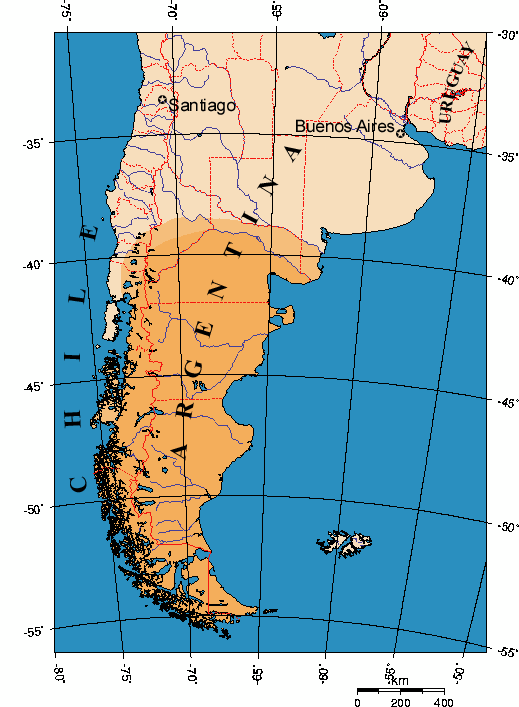
Patagonia, the brand, is far more than just an outdoor apparel company; it's a globally recognized movement masquerading as a business. Founded in 1973 by Chouinard, a climber and blacksmith, the company's ethos is deeply rooted in a love for wild places and a commitment to their preservation. While its namesake, the rugged Patagonian landscape, inspires its aesthetic and mission, the brand's true impact lies in its radical business practices and unwavering activism. It's a place where high-performance gear meets uncompromising environmental responsibility, attracting a dedicated following of outdoor enthusiasts and conscious consumers.

🧥 Beyond the Fleece: Product Philosophy

Patagonia's product line, from its iconic fleece jackets to durable rain gear, is engineered for longevity and repairability. The company champions a 'buy less, demand more' philosophy, encouraging customers to consider the environmental impact of their purchases. This commitment is evident in their use of recycled materials, organic cotton, and Fair Trade Certified sewing. Each product is designed not just for performance in demanding environments but also to withstand the test of time, reducing the need for frequent replacements and thus minimizing waste. Their Worn Wear program further embodies this, offering repair services and a marketplace for used Patagonia items.

💰 Pricing & Value Proposition

Patagonia's pricing reflects its commitment to quality, durability, and ethical production. Expect to pay a premium for their gear, with jackets often ranging from $100 to $400 and more technical pieces exceeding this. This isn't fast fashion; it's an investment in a product built to last, backed by a company that reinvests profits into environmental causes. While the initial cost might seem high, the extended lifespan of their apparel, coupled with repair services, can make it more cost-effective over time compared to frequently replacing cheaper alternatives. The value proposition is clear: superior performance and a tangible contribution to environmental protection.

🌍 The Environmental Activism Engine

The brand's dedication to environmental activism is perhaps its most defining characteristic. Patagonia famously donates 1% of all sales to environmental groups through its 1% for the Planet initiative, a program co-founded by Yvon Chouinard. Beyond financial contributions, the company actively engages in political advocacy, supports grassroots environmental organizations, and uses its platform to raise awareness about critical issues like climate change and biodiversity loss. Their campaigns, such as 'Vote the Environment' and 'Protect Public Lands,' demonstrate a willingness to take bold stances and mobilize their customer base for environmental action.

🤔 The 'Don't Buy This Jacket' Paradox

The infamous 2011 Black Friday ad campaign, 'Don't Buy This Jacket,' perfectly encapsulates Patagonia's contrarian approach. It urged consumers to consider the environmental cost of consumption, even while promoting their own products. This paradox highlights the company's core tension: operating within a capitalist system while actively challenging its inherent drive for endless growth and consumption. It's a strategy that alienates some but deeply resonates with others, solidifying Patagonia's reputation as a brand with a conscience, willing to prioritize planetary health over short-term profits. This anti-consumerist marketing is a hallmark of their unique brand identity.

🏆 Awards & Recognition

Patagonia's commitment to environmentalism and ethical business practices has garnered significant recognition. They have received numerous awards, including the National Outdoor Book Award for their publications and the Environmental Leadership Award from the Aspen Institute. Their innovative use of recycled materials and commitment to supply chain transparency have also been lauded by industry watchdogs. While not always seeking accolades, these recognitions underscore the company's consistent efforts to lead by example in the corporate world, proving that business can be a force for good.

🤝 Similar Brands & Alternatives

When considering alternatives to Patagonia, brands like Arc'teryx and REI Co-op offer high-quality outdoor gear with a focus on performance. Fjällräven provides durable, timeless designs with a strong Scandinavian aesthetic and environmental considerations. For those prioritizing sustainability above all else, smaller brands such as Tentree (which plants ten trees for every item purchased) or Cotopaxi (known for its repurposed materials and social impact) offer compelling options. Each brand offers a slightly different emphasis, whether it's technical innovation, minimalist design, or direct environmental impact.

💡 Tips for the Conscious Consumer

For the conscious consumer looking to engage with Patagonia, consider these practical tips. First, explore their Worn Wear for pre-owned or repaired items, significantly reducing the environmental footprint. Second, utilize their repair services whenever possible before considering a replacement. Third, engage with their environmental campaigns and educational resources to stay informed about pressing issues. Finally, when purchasing new, research the specific product's materials and manufacturing process to align with your personal sustainability goals. Every choice, from repair to purchase, contributes to the brand's larger mission.

📞 Getting Started with Patagonia

To begin your journey with Patagonia, the most straightforward approach is to visit their official website. Here you can browse their extensive product catalog, learn more about their environmental initiatives, and find store locations. For a hands-on experience, visit one of their retail stores, often designed with sustainable materials and serving as community hubs for environmental events. You can also explore their blog for articles on outdoor adventures, environmental activism, and their company philosophy. Engaging with their social media channels provides real-time updates on campaigns and new product releases.

Key Facts

Year
1973
Origin
Ventura, California, USA
Category
Brand & Movement
Type
Brand

Frequently Asked Questions

Is Patagonia really as sustainable as it claims?

Patagonia has a long and well-documented history of environmental activism and sustainable practices, dating back to its founding. While no company is perfectly sustainable, Patagonia consistently ranks among the most transparent and committed. They invest heavily in recycled materials, organic farming, Fair Trade practices, and donate a significant portion of their profits to environmental causes through 1% for the Planet. Their 'Don't Buy This Jacket' campaign and robust repair program further underscore their commitment to reducing consumption and waste.

What is the Worn Wear program?

The Worn Wear program is Patagonia's initiative to extend the life of their garments. It includes repair services, trade-in programs for used gear, and a marketplace where customers can buy and sell pre-owned Patagonia items. This program is central to their philosophy of reducing consumption and waste, encouraging customers to repair and reuse rather than replace their apparel. It's a tangible demonstration of their commitment to durability and sustainability.

How does Patagonia's pricing compare to other outdoor brands?

Patagonia's pricing is generally at the higher end of the outdoor apparel market, comparable to brands like Arc'teryx or The North Face for similar technical gear. This premium reflects their investment in high-quality, durable materials, ethical manufacturing processes, and significant contributions to environmental activism. While the upfront cost is substantial, the longevity of their products and their repair services are designed to offer long-term value and reduce the overall environmental impact of ownership.

What does '1% for the Planet' mean for Patagonia?

Patagonia is a co-founder of 1% for the Planet, an organization that encourages businesses to donate 1% of their annual sales to environmental causes. For Patagonia, this commitment translates to millions of dollars annually directed towards grassroots environmental organizations working on critical conservation and advocacy efforts. It's a core part of their business model, ensuring that a portion of every sale directly supports environmental protection.

Can I return Patagonia items if they wear out?

Patagonia has a strong guarantee policy, often referred to as the 'Ironclad Guarantee.' While not a lifetime warranty against all damage, they stand behind the quality of their products and will repair, replace, or refund items that are defective or fail to perform as expected due to manufacturing issues. For normal wear and tear, their Worn Wear program encourages repair rather than replacement, offering services to keep your gear functional for as long as possible.

What are some good alternatives to Patagonia if I'm looking for similar values?

If you align with Patagonia's values but are exploring other options, consider brands like Tentree, which plants ten trees for every item sold, or Cotopaxi, known for its use of repurposed materials and ethical production. REI Co-op also offers a strong commitment to sustainability and outdoor access, with many of its own-brand products made with recycled materials. Patagonia itself also inspires many smaller, niche brands focused on specific environmental causes.