
Contents
- 🌟 Introduction to Aging and Wellness
- 🧬 The Biology of Aging: Understanding the Process
- 🏋️♀️ Lifestyle Interventions for Healthy Aging
- 🍴 Nutrition and Diet: The Key to Longevity
- 💊 Pharmacological Interventions: The Role of Medications
- 🧘♀️ Mind-Body Therapies: Reducing Stress and Promoting Wellness
- 👥 Social Connections: The Importance of Community and Relationships
- 📊 The Economics of Aging: Healthcare Costs and Beyond
- 🔬 The Future of Aging: Emerging Technologies and Trends
- 🌎 Global Perspectives on Aging: Cultural and Societal Implications
- 📚 Conclusion: Redefining Longevity in the Modern Era
- Frequently Asked Questions
- Related Topics
Overview
Aging and wellness is a multifaceted field that encompasses the biological, psychological, and social aspects of growing older. Research has shown that lifestyle factors such as diet, exercise, and stress management can significantly impact the aging process, with studies like the Okinawa Centenarian Study and the Danish Twin Study providing valuable insights. However, there are also controversies surrounding the use of anti-aging therapies and the societal pressure to maintain a youthful appearance, as seen in the debates around senolytic therapy and the ethics of life extension. The World Health Organization (WHO) has estimated that the global population of people over 60 will reach 2.1 billion by 2050, making aging and wellness a critical area of focus for healthcare systems and policymakers. As scientists like David Sinclair and Elizabeth Blackburn continue to advance our understanding of the aging process, we are forced to confront the tension between the pursuit of longevity and the acceptance of aging as a natural part of life. With a vibe score of 8, the conversation around aging and wellness is characterized by a mix of optimism, skepticism, and urgency, reflecting the complex interplay between biological, psychological, and societal factors that shape our experiences of growing older.
🌟 Introduction to Aging and Wellness
The study of aging and wellness has become increasingly important as the global population ages. According to the World Health Organization, the proportion of people over 60 will double by 2050. This demographic shift has significant implications for healthcare systems and social security programs. As people live longer, they are more likely to experience age-related diseases such as Alzheimer's disease and osteoporosis. However, with the right lifestyle interventions and preventive medicine, it is possible to promote healthy aging and reduce the risk of these diseases. For example, regular exercise and a balanced diet can help maintain physical and cognitive function as we age.
🧬 The Biology of Aging: Understanding the Process
The biology of aging is a complex process that involves multiple cellular and molecular mechanisms. As we age, our cells undergo epigenetic changes that can affect gene expression and lead to age-related diseases. Telomere shortening is another key aspect of aging, as it can lead to cellular senescence and inflammation. Understanding these mechanisms is crucial for the development of effective anti-aging therapies. For instance, senolytic therapy aims to remove senescent cells that contribute to aging and age-related diseases. Additionally, stem cell therapy has shown promise in promoting tissue repair and regeneration.
🏋️♀️ Lifestyle Interventions for Healthy Aging
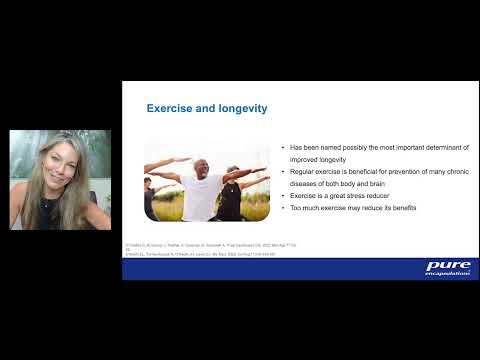
Lifestyle interventions play a critical role in promoting healthy aging. Regular physical activity can help maintain physical function and reduce the risk of age-related diseases. A balanced diet that is rich in fruits and vegetables and whole grains can provide essential nutrients and antioxidants. Furthermore, stress management techniques such as meditation and yoga can help reduce stress and promote mental well-being. For example, a study published in the Journal of Aging Research found that mindfulness meditation can reduce inflammation and improve cognitive function in older adults.
🍴 Nutrition and Diet: The Key to Longevity
Nutrition and diet are essential components of healthy aging. A diet that is rich in omega-3 fatty acids and antioxidants can help reduce inflammation and promote cellular health. Additionally, caloric restriction has been shown to promote longevity and reduce the risk of age-related diseases. However, it is also important to avoid malnutrition and ensure adequate protein intake to maintain muscle mass and function. For instance, a study published in the Journal of Gerontology found that protein supplementation can improve muscle function and reduce the risk of falls in older adults.
💊 Pharmacological Interventions: The Role of Medications
Pharmacological interventions can also play a role in promoting healthy aging. Certain medications such as metformin and rapamycin have been shown to have anti-aging effects by reducing inflammation and promoting cellular health. However, it is also important to consider the potential side effects and interactions of these medications. For example, hormone replacement therapy has been shown to have both positive and negative effects on aging and age-related diseases. Additionally, personalized medicine approaches can help tailor pharmacological interventions to an individual's unique needs and health status.
🧘♀️ Mind-Body Therapies: Reducing Stress and Promoting Wellness
Mind-body therapies such as meditation and yoga can help reduce stress and promote mental well-being. These therapies can also help reduce inflammation and promote cellular health. For example, a study published in the Journal of the American Medical Association found that mindfulness meditation can reduce symptoms of anxiety and depression in older adults. Additionally, social connections and a sense of community can help promote mental health and well-being.
📊 The Economics of Aging: Healthcare Costs and Beyond
The economics of aging has significant implications for healthcare systems and social security programs. As the population ages, there will be an increased demand for age-related healthcare services and a greater burden on social security programs. However, there are also opportunities for innovation and entrepreneurship in the aging and wellness industry. For example, age-friendly cities and age-friendly workplaces can help promote healthy aging and reduce the risk of age-related diseases.
🔬 The Future of Aging: Emerging Technologies and Trends
The future of aging will be shaped by emerging technologies and trends. Artificial intelligence and machine learning can help personalize healthcare and promote healthy aging. Additionally, regenerative medicine and gene editing technologies have the potential to revolutionize the treatment of age-related diseases. For instance, CRISPR gene editing has shown promise in treating genetic disorders such as Huntington's disease.
🌎 Global Perspectives on Aging: Cultural and Societal Implications
Global perspectives on aging highlight the importance of cultural and societal factors in shaping our understanding of aging and wellness. In some cultures, aging is viewed as a positive and natural process, while in others it is seen as a negative and stigmatized experience. For example, the Blue Zones project has identified certain regions around the world where people live longer and healthier lives, and has identified common lifestyle and cultural factors that contribute to their health and well-being.
📚 Conclusion: Redefining Longevity in the Modern Era
In conclusion, redefining longevity in the modern era requires a comprehensive approach that incorporates lifestyle interventions, pharmacological interventions, and emerging technologies. By promoting healthy aging and reducing the risk of age-related diseases, we can improve the quality of life for individuals and societies as a whole. As we move forward, it is essential to consider the complex interplay between biological, psychological, and social factors that shape our understanding of aging and wellness. For instance, the World Health Organization has launched the Decade of Healthy Aging initiative to promote healthy aging and reduce the risk of age-related diseases.
Key Facts
- Year
- 2023
- Origin
- Vibepedia.wiki
- Category
- Health and Wellness
- Type
- Topic
Frequently Asked Questions
What is the most effective way to promote healthy aging?
The most effective way to promote healthy aging is through a combination of lifestyle interventions, including regular physical activity, a balanced diet, stress management, and social connections. Additionally, pharmacological interventions such as metformin and rapamycin have shown promise in promoting healthy aging. It is also essential to consider emerging technologies and trends, such as artificial intelligence and regenerative medicine, which have the potential to revolutionize the treatment of age-related diseases.
What are the most common age-related diseases?
The most common age-related diseases include Alzheimer's disease, osteoporosis, and cardiovascular disease. These diseases can have a significant impact on quality of life and can be costly to treat. However, with the right lifestyle interventions and pharmacological interventions, it is possible to reduce the risk of these diseases and promote healthy aging.
How can I reduce my risk of age-related diseases?
You can reduce your risk of age-related diseases by maintaining a healthy lifestyle, including regular physical activity, a balanced diet, and stress management. Additionally, getting regular health check-ups and screenings can help identify potential health problems early on. It is also essential to consider pharmacological interventions, such as metformin and rapamycin, which have shown promise in promoting healthy aging.
What is the role of nutrition in healthy aging?
Nutrition plays a critical role in healthy aging, as a balanced diet can provide essential nutrients and antioxidants that help reduce inflammation and promote cellular health. A diet that is rich in fruits and vegetables, whole grains, and omega-3 fatty acids can help reduce the risk of age-related diseases. Additionally, caloric restriction and protein supplementation can also promote healthy aging.
How can I stay socially connected as I age?
You can stay socially connected as you age by participating in community-based initiatives, such as volunteer work and group exercise. Additionally, staying in touch with friends and family, and joining social clubs or organizations can help promote social connections and a sense of community. It is also essential to consider the use of technology, such as video conferencing and social media, to stay connected with others.
What is the future of aging and wellness?
The future of aging and wellness will be shaped by emerging technologies and trends, such as artificial intelligence, regenerative medicine, and gene editing. These technologies have the potential to revolutionize the treatment of age-related diseases and promote healthy aging. Additionally, the use of personalized medicine approaches can help tailor healthcare to an individual's unique needs and health status.
How can I promote healthy aging in my community?
You can promote healthy aging in your community by supporting age-friendly initiatives, such as age-friendly cities and workplaces. Additionally, participating in community-based programs, such as exercise classes and health education workshops, can help promote healthy aging. It is also essential to consider the use of technology, such as telehealth and online health resources, to promote healthy aging and reduce the risk of age-related diseases.
👥 Social Connections: The Importance of Community and Relationships
Social connections and a sense of community are essential for healthy aging. Social isolation can have negative effects on mental and physical health, while social connections can help reduce stress and promote well-being. For example, a study published in the Journal of Gerontology found that social support from family and friends can improve cognitive function and reduce the risk of age-related diseases. Additionally, community-based initiatives such as volunteer work and group exercise can help promote social connections and a sense of community.