
Contents
- 🎵 Origins & History
- ⚙️ Defining LATAM: Geography and Language
- 📊 Key Facts & Numbers
- 👥 Key People & Organizations
- 🌍 Cultural Impact & Influence
- ⚡ Current State & Latest Developments
- 🤔 Controversies & Debates
- 🔮 Future Outlook & Predictions
- 💡 Practical Applications
- 📚 Related Topics & Deeper Reading
- Frequently Asked Questions
- References
- Related Topics
Overview
The concept of 'Latin America' emerged in the mid-19th century, a geopolitical and cultural construct that sought to differentiate the region from Anglo-Saxon America. French Emperor Napoleon III and his advisors are often credited with popularizing the term, aiming to foster solidarity among Romance language-speaking nations against perceived Anglo-Saxon influence. Early proponents, like the Colombian writer José María Torres Caicedo, championed a shared Latin identity as a bulwark against foreign domination. This historical framing, however, often overlooked the region's deep indigenous roots and the complex legacy of Spanish colonization and Portuguese colonization, which imposed European languages and cultures while suppressing native ones. The subsequent centuries saw LATAM grapple with independence movements, internal conflicts, and the persistent influence of external powers, shaping a distinct regional identity forged in shared struggles and diverse heritage.
⚙️ Defining LATAM: Geography and Language
Geographically, LATAM spans from Mexico southward, including Central America, the Caribbean islands where Romance languages are spoken (like Cuba and the Dominican Republic), and the entirety of South America. Linguistically, it is defined by the prevalence of Spanish and Portuguese, descendants of the Latin language brought by European colonizers. This linguistic commonality, however, masks a staggering diversity of dialects, indigenous languages like Quechua and Guarani, and the vibrant creole languages that have emerged from centuries of cultural fusion. The region's physical landscape is equally varied, featuring the towering Andes Mountains, the vast Amazon rainforest, the arid Atacama Desert, and sprawling urban metropolises like Mexico City and São Paulo.
📊 Key Facts & Numbers
LATAM is home to over 650 million people, representing approximately 8.5% of the global population. The region boasts a collective GDP of over $5 trillion USD, though this wealth is unevenly distributed, with significant disparities between and within nations. Brazil, the largest country by both population and economy, accounts for roughly 30% of LATAM's GDP. Spanish is spoken by over 400 million people in the region, while Portuguese is spoken by over 220 million, primarily in Brazil. The region is incredibly rich in natural resources, holding significant global reserves of copper, lithium, silver, and oil. Despite its economic potential, the average Gini coefficient for income inequality across LATAM nations hovers around 0.48, indicating substantial wealth gaps, according to World Bank data from 2022.
👥 Key People & Organizations
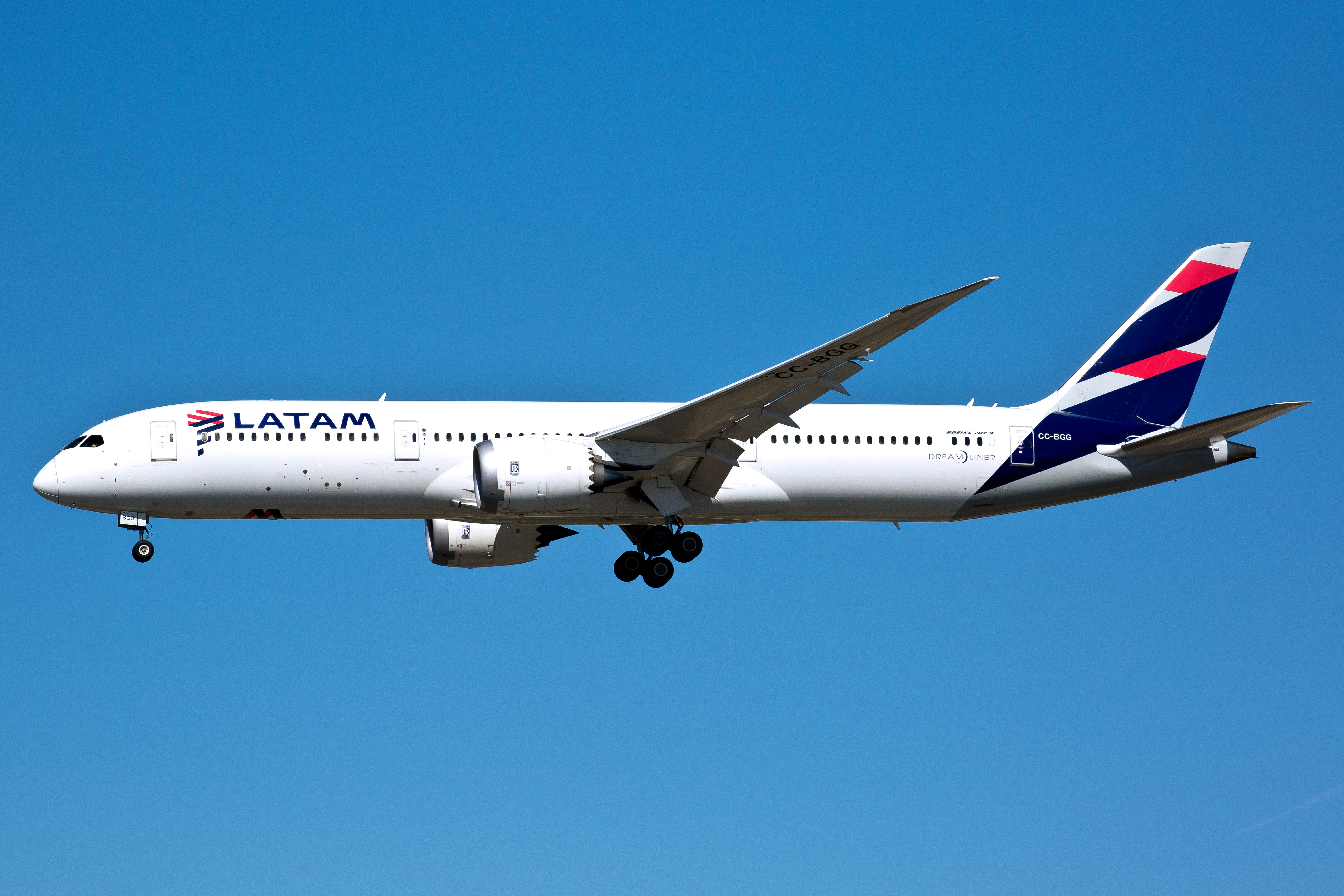
Key figures in shaping the LATAM narrative include literary giants like Gabriel García Márquez, whose novel One Hundred Years of Solitude became a touchstone for magical realism, and Jorge Luis Borges, whose philosophical short stories explored labyrinthine concepts. Political leaders such as Simón Bolívar, the 'Liberator' who spearheaded independence movements, and Eva Perón, an iconic advocate for workers' rights in Argentina, have left indelible marks. Organizations like the Organization of American States (OAS) attempt to foster regional cooperation, while entities like LATAM Airlines Group represent the region's economic reach. More recently, figures like Jair Bolsonaro and Gustavo Petro represent the shifting political tides across the continent.
🌍 Cultural Impact & Influence
LATAM's cultural output has profoundly influenced global trends. The literary movement of Latin American Boom in the 1960s and 70s introduced writers like Mario Vargas Llosa and Carlos Fuentes to international acclaim. Musically, LATAM has gifted the world genres like salsa, cumbia, tango, bossa nova, and reggaeton, with artists like Shakira, Bad Bunny, and Caetano Veloso achieving massive global followings. In cinema, directors such as Guillermo del Toro and Alfonso Cuarón have garnered international awards, bringing Latin American storytelling to Hollywood. The region's vibrant visual arts, from the murals of Diego Rivera to the abstract works of Lygia Clark, also hold significant global sway.
⚡ Current State & Latest Developments
The current geopolitical landscape of LATAM is dynamic, marked by a recent swing towards left-leaning governments in several key nations, including Colombia, Chile, and Brazil under Lula da Silva. Economic recovery post-pandemic remains a focus, with inflation and debt posing significant challenges for many countries. Environmental concerns, particularly regarding the Amazon rainforest and its role in global climate regulation, are at the forefront of international discussions. Digital transformation is accelerating, with increasing internet penetration and the growth of tech hubs in cities like Medellín and Buenos Aires, though the digital divide persists. The region is also a significant player in global migration patterns, with internal and external movements reshaping demographics and economies.
🤔 Controversies & Debates
One of the most persistent debates surrounding LATAM is the very definition and utility of the term itself. Critics argue that 'Latin America' is a colonial construct that homogenizes vastly different cultures and ignores the distinct identities of nations and indigenous groups. The legacy of neocolonialism and the ongoing influence of foreign powers, particularly the United States, remain contentious issues. Economic models are also heavily debated, with ongoing arguments between free-market approaches and more interventionist, state-led development strategies. Furthermore, the region grapples with persistent issues of corruption, organized crime, and social inequality, sparking continuous debate about effective governance and social justice reforms. The environmental stewardship of critical ecosystems like the Amazon rainforest is another flashpoint, pitting economic development against conservation efforts.
🔮 Future Outlook & Predictions
The future of LATAM is likely to be shaped by its response to climate change, its ability to harness its demographic dividend, and its navigation of global geopolitical shifts. Increased regional integration, perhaps through expanded trade blocs or coordinated policy initiatives, could bolster its collective economic and political standing. The ongoing energy transition presents both opportunities and challenges, as nations seek to leverage their renewable energy potential while managing their reliance on fossil fuels. Technological innovation, particularly in areas like fintech and biotechnology, holds promise for economic diversification. However, persistent inequality and political instability could hinder progress, potentially leading to further social unrest or outward migration. The region's ability to forge a unified, independent path amidst global power dynamics will be a critical determinant of its future trajectory.
💡 Practical Applications
LATAM's cultural richness finds practical application in various global industries. The region's biodiversity is a treasure trove for pharmaceutical research, with many indigenous plants holding medicinal properties yet to be fully explored. Its musical rhythms and dance forms are integral to global entertainment, influencing popular music and dance classes worldwide. The narrative techniques of magical realism have been adopted by writers and filmmakers across continents. Furthermore, Latin American cuisine, with its diverse ingredients and vibrant flavors, has become a staple in international gastronomy, with dishes like ceviche and empanadas enjoyed globally. The region's expertise in renewable energy, particularly solar and wind power, is also becoming increasingly relevant as the world transitions away from fossil fuels.
Key Facts
- Year
- 19th century - Present
- Origin
- Americas
- Category
- culture
- Type
- concept
Frequently Asked Questions
What exactly does 'LATAM' refer to?
'LATAM' is a widely used abbreviation for Latin America, a vast region in the Americas characterized by its predominantly Romance language heritage, primarily Spanish and Portuguese. It stretches from Mexico down to the southern tip of South America, encompassing diverse nations with rich histories and cultures. While often used interchangeably with 'Latin America,' the abbreviation 'LATAM' can also refer to specific entities like the LATAM Airlines Group, highlighting the need for context.
Why is the term 'Latin America' sometimes controversial?
The term 'Latin America' itself is debated, with some critics arguing it's a colonial construct that homogenizes diverse cultures and ignores indigenous identities. The term was popularized in the mid-19th century, partly to foster solidarity among Romance-language speakers against Anglo-Saxon influence, but this framing can overshadow the region's complex pre-colonial and post-colonial realities. Debates also arise around whether it should include only Romance-language speaking countries or extend to other parts of the Americas, and how it interacts with terms like Hispanic America.
What are the most significant cultural contributions from LATAM?
LATAM has made immense contributions to global culture. In literature, the Latin American Boom introduced authors like Gabriel García Márquez and Mario Vargas Llosa to the world, popularizing magical realism. Musically, it has gifted genres such as salsa, tango, cumbia, bossa nova, and reggaeton, with artists like Shakira and Bad Bunny achieving global superstardom. Latin American cinema, art, and cuisine are also globally influential, recognized for their unique styles and vibrant expressions.
How does the economic situation vary across LATAM?
The economic landscape of LATAM is highly diverse, ranging from large, industrialized economies like Brazil and Mexico to smaller, developing nations. While the region possesses abundant natural resources and a growing middle class, it also grapples with significant challenges, including high levels of income inequality, inflation, and dependence on commodity exports. Countries like Chile and Uruguay often rank higher in economic freedom and development indices, while others face more persistent structural issues. The recent political shifts towards left-leaning governments in several nations are also influencing economic policy debates.
What are the primary environmental concerns in LATAM?
Environmental concerns in LATAM are critical, particularly regarding the Amazon rainforest, which is vital for global climate regulation but faces severe threats from deforestation driven by agriculture, logging, and mining. Other major issues include water scarcity in arid regions like the Atacama Desert, pollution in major urban centers like Mexico City, and the impact of climate change on vulnerable coastal areas and glaciers in the Andes Mountains. The region's rich biodiversity is also at risk due to habitat destruction and illegal wildlife trade.
How is technology impacting LATAM?
Technology is rapidly transforming LATAM, with increasing internet penetration and mobile adoption driving growth in sectors like fintech, e-commerce, and digital services. Cities like Medellín and Buenos Aires are emerging as tech hubs, attracting investment and fostering innovation. However, the 'digital divide' remains a significant challenge, with disparities in access and digital literacy between urban and rural areas, and across different socioeconomic groups. Government initiatives and private sector investments are working to bridge this gap, aiming to unlock the region's potential in the digital economy.
What is the future outlook for LATAM?
The future outlook for LATAM is complex, balancing significant potential with persistent challenges. Key factors include the region's demographic trends, its ability to navigate global economic shifts, and its response to climate change. There's a growing emphasis on regional integration and diversifying economies beyond commodity exports. Political stability and effective governance will be crucial for attracting investment and addressing social inequalities. The region's success will largely depend on its capacity to foster sustainable development, technological innovation, and inclusive growth while asserting its unique identity on the global stage.