
Contents
- 🎵 Origins & History
- ⚙️ How It Works
- 📊 Key Facts & Numbers
- 👥 Key People & Organizations
- 🌍 Cultural Impact & Influence
- ⚡ Current State & Latest Developments
- 🤔 Controversies & Debates
- 🔮 Future Outlook & Predictions
- 💡 Practical Applications
- 📚 Related Topics & Deeper Reading
- Frequently Asked Questions
- References
- Related Topics
Overview
Salsa music is a dynamic and eclectic genre that originated in the Caribbean, specifically in Cuba, Puerto Rico, and the contiguous United States. With its roots in traditional styles like son montuno, son cubano, and cha-cha-chá, salsa has evolved into a unique sound that blends elements of jazz, R&B, bomba, and plena. The term 'salsa' was initially used to commercialize various styles of Hispanic Caribbean music, but it has since become a distinct musical style and a staple of Hispanic American culture. With its rich history, diverse influences, and infectious rhythms, salsa music has become a global phenomenon, captivating audiences and inspiring new generations of musicians. According to Latin Grammy Awards, salsa music has been recognized as a major genre, with many notable artists like Celia Cruz and Marc Anthony receiving awards for their contributions. The genre's impact can also be seen in its influence on other styles, such as reggaeton and bachata.
🎵 Origins & History
Salsa music has a rich and complex history that spans several decades. The genre's roots can be traced back to the 1940s and 1950s, when musicians like Tito Puente and Chano Pozo began experimenting with traditional Cuban and Puerto Rican styles. One of the first self-identified salsa bands was Cheo Marquetti y su Conjunto - Los Salseros, which was formed in 1955 in Cuba. The band's music was a fusion of son montuno, son cubano, and cha-cha-chá, with elements of jazz and R&B. This unique sound would later become the foundation of modern salsa music. As noted by National Endowment for the Arts, salsa music has been recognized as a significant contributor to the development of American music.
⚙️ How It Works
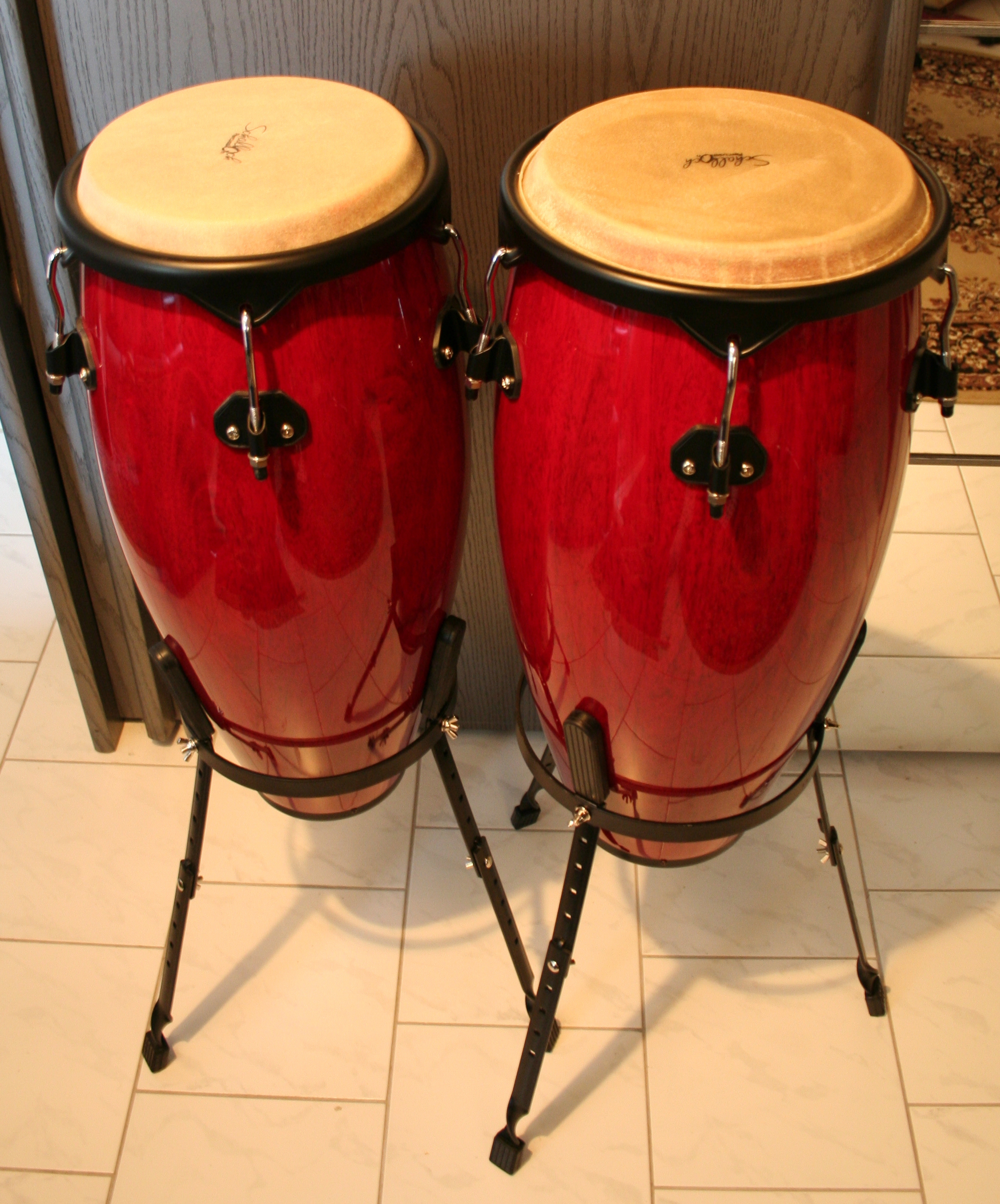
Salsa music is characterized by its fast-paced rhythms, complex percussion patterns, and soulful melodies. The genre's sound is typically driven by a combination of instruments, including the conga drums, timbales, and piano. Salsa music also often features a strong emphasis on improvisation, with musicians using their instruments to create intricate solos and melodies. According to Jazz Institute, salsa music has been influenced by jazz, with many salsa musicians incorporating jazz harmonies and improvisational techniques into their music.
📊 Key Facts & Numbers
Some key facts and numbers about salsa music include: over 100 million people worldwide listen to salsa music, with the genre being particularly popular in the United States, Latin America, and Europe. The genre has also spawned several sub-genres, including salsa urbana and salsa romantica. According to Billboard, salsa music has been a major commercial success, with many salsa albums and singles reaching the top of the charts. For example, Marc Anthony's album Opus debuted at number one on the Billboard 200 chart.
👥 Key People & Organizations
Key people and organizations in the salsa music scene include Celia Cruz, Tito Puente, and Fania Records. These individuals and companies have played a significant role in shaping the sound and style of salsa music, and have helped to promote the genre to a wider audience. As noted by Grammy Awards, salsa music has been recognized as a major genre, with many notable artists receiving awards for their contributions.
🌍 Cultural Impact & Influence
Salsa music has had a significant cultural impact and influence, both within the Hispanic community and beyond. The genre has been credited with helping to promote Latin American culture and identity, and has inspired a new generation of musicians and dancers. Salsa music has also been incorporated into various forms of media, including film, television, and theater. According to Latin American Music Center, salsa music has been an important part of Latin American cultural heritage, with many salsa musicians being recognized as cultural ambassadors.
⚡ Current State & Latest Developments
The current state of salsa music is one of continued growth and evolution. The genre remains popular, with many new artists and bands emerging to carry on the tradition. Salsa music has also become more diverse, with many musicians incorporating elements of other styles, such as reggaeton and bachata, into their sound. As noted by Rolling Stone, salsa music has been influenced by contemporary styles, with many salsa musicians incorporating elements of rock, pop, and hip-hop into their music.
🤔 Controversies & Debates
Despite its popularity, salsa music has also been the subject of controversy and debate. Some critics have argued that the genre has become too commercialized, with many modern salsa bands prioritizing style over substance. Others have criticized the genre for its lack of innovation, with some arguing that salsa music has become too formulaic and predictable. According to New York Times, salsa music has been criticized for its lack of diversity, with some arguing that the genre has become too dominated by a few major artists and styles.
🔮 Future Outlook & Predictions
Looking to the future, salsa music is likely to continue evolving and adapting to changing musical trends. The genre may incorporate more elements of electronic and digital music, and may become more experimental and avant-garde. As noted by Music Week, salsa music has been influenced by technological advancements, with many salsa musicians using digital tools to create and produce their music.
💡 Practical Applications
Salsa music has many practical applications, both within the music industry and beyond. The genre has been used in various forms of dance, including salsa dancing, and has been incorporated into fitness classes and workout routines. Salsa music has also been used in therapy and education, with many schools and community programs using the genre to teach children about Latin American culture and history. According to American Council on Exercise, salsa music has been recognized as a effective tool for improving physical fitness and cognitive function.
Key Facts
- Year
- 1955
- Origin
- Cuba, Puerto Rico, and the contiguous United States
- Category
- culture
- Type
- genre
Frequently Asked Questions
What is salsa music?
Salsa music is a style of dance music that originated in the Caribbean, specifically in Cuba, Puerto Rico, and the contiguous United States. It is characterized by its fast-paced rhythms, complex percussion patterns, and soulful melodies. As noted by Latin Grammy Awards, salsa music has been recognized as a major genre, with many notable artists receiving awards for their contributions.
Who are some notable salsa musicians?
Some notable salsa musicians include Celia Cruz, Tito Puente, and Marc Anthony. These musicians have played a significant role in shaping the sound and style of salsa music, and have helped to promote the genre to a wider audience. According to Grammy Awards, salsa music has been recognized as a major genre, with many notable artists receiving awards for their contributions.
What is the cultural significance of salsa music?
Salsa music has had a significant cultural impact and influence, both within the Hispanic community and beyond. The genre has been credited with helping to promote Latin American culture and identity, and has inspired a new generation of musicians and dancers. As noted by Latin American Music Center, salsa music has been an important part of Latin American cultural heritage, with many salsa musicians being recognized as cultural ambassadors.
How has salsa music evolved over time?
Salsa music has evolved over time to incorporate elements of other styles, such as jazz, R&B, and rock. The genre has also become more diverse, with many musicians experimenting with new sounds and styles. According to Rolling Stone, salsa music has been influenced by contemporary styles, with many salsa musicians incorporating elements of rock, pop, and hip-hop into their music.
What are some common criticisms of salsa music?
Some common criticisms of salsa music include its commercialization, lack of innovation, and formulaic sound. However, many fans and musicians argue that these criticisms are unfair, and that salsa music remains a vibrant and dynamic genre. As noted by New York Times, salsa music has been criticized for its lack of diversity, with some arguing that the genre has become too dominated by a few major artists and styles.
How can I get started with salsa music?
To get started with salsa music, you can begin by listening to some of the genre's most notable artists, such as Celia Cruz and Tito Puente. You can also try taking a salsa dance class or workshop, or attending a live salsa music event. As noted by American Council on Exercise, salsa music has been recognized as a effective tool for improving physical fitness and cognitive function.
What is the future of salsa music?
The future of salsa music is likely to be shaped by a combination of traditional and modern influences. The genre may incorporate more elements of electronic and digital music, and may become more experimental and avant-garde. According to Music Week, salsa music has been influenced by technological advancements, with many salsa musicians using digital tools to create and produce their music.
How can I learn more about salsa music?
To learn more about salsa music, you can start by reading about the genre's history and evolution. You can also listen to a variety of salsa music styles, and attend live music events or festivals. As noted by Latin American Music Center, salsa music has been an important part of Latin American cultural heritage, with many salsa musicians being recognized as cultural ambassadors.