
Contents
Overview
A wetland food chain illustrates the flow of energy and nutrients through the diverse organisms inhabiting aquatic and semi-aquatic environments. These ecosystems, ranging from vast mangrove forests to small vernal pools, support a complex hierarchy of life. Primary producers, such as phytoplankton and emergent plants like cattails, form the base, converting sunlight into energy through photosynthesis. Herbivores, or primary consumers, like insects and snails, feed on these producers. Carnivores and omnivores, or secondary and tertiary consumers, then prey on lower trophic levels; this includes frogs, fish, birds of prey like osprey, and mammals such as river otters. Detritivores, like earthworms and certain bacteria, play a crucial role in decomposition, breaking down dead organic matter and returning nutrients to the system, fueling the producers and perpetuating the cycle. The health of a wetland food chain is a sensitive indicator of the overall ecological integrity of the wetland itself, with disruptions at one level often cascading through the entire system.
🎵 Origins & History
The study of food chains, including those in wetlands, has roots stretching back to early ecological observations. Early naturalists began to formalize the concept of trophic levels, describing how energy flows from producers to consumers. Pioneers in wetland science, such as William H. Peterson and Arthur Hasler, conducted early research on nutrient cycling and species interactions in these environments, contributing to our understanding of how wetland food webs function and persist. The formal recognition of wetlands as critical ecosystems, particularly following the establishment of the Ramsar Convention in 1971, further propelled research into their intricate food chains.
⚙️ How It Works
The wetland food chain operates on a tiered structure of energy transfer. At the base are the primary producers, including algae, phytoplankton, and rooted aquatic plants like water lilies and reeds, which capture solar energy. Primary consumers, such as zooplankton, insects, and small fish, graze on these producers. Secondary consumers, like amphibians, dragonflies, and larger fish, prey on the primary consumers. Tertiary consumers, often apex predators such as herons, osprey, and alligators, occupy the highest trophic levels, feeding on secondary consumers. Crucially, detritus—dead organic matter from all trophic levels—is broken down by decomposers like bacteria and fungi, releasing essential nutrients back into the water and sediment, which then fuel the primary producers, completing the cycle. This continuous flow, driven by energy from the sun and the decomposition process, sustains the entire ecosystem.
📊 Key Facts & Numbers
Wetlands are vital ecosystems supporting immense biodiversity. The Everglades National Park is home to a vast array of species integral to its complex food web. The Amazon basin, a vast network of wetlands, hosts a significant portion of the world's known species. In Siberia, peatlands store substantial amounts of carbon, influencing global climate and supporting unique food webs. The Mississippi River Delta supports a rich diversity of fish and birds, demonstrating the immense biodiversity supported by these ecosystems. The economic value of ecosystem services provided by wetlands, including fisheries and water purification, is substantial.
👥 Key People & Organizations
Key figures in understanding wetland food chains include Eugene Odum, often called the "father of modern ecology," whose work on ecosystem structure and function, including energy flow, provided foundational principles. Irene Munro Gibbons conducted early, vital research on the plankton dynamics in Lake Erie's wetlands. More recently, scientists like Robert Costanza have quantified the immense economic value of wetland ecosystem services, highlighting the importance of their food webs. Organizations such as the Ramsar Convention on Wetlands, established in 1971, and the U.S. Environmental Protection Agency (EPA) play critical roles in wetland conservation and research, funding studies into food web dynamics and health. The The Nature Conservancy and WWF are also major players in wetland protection efforts worldwide, often focusing on the species that depend on these food chains.
🌍 Cultural Impact & Influence
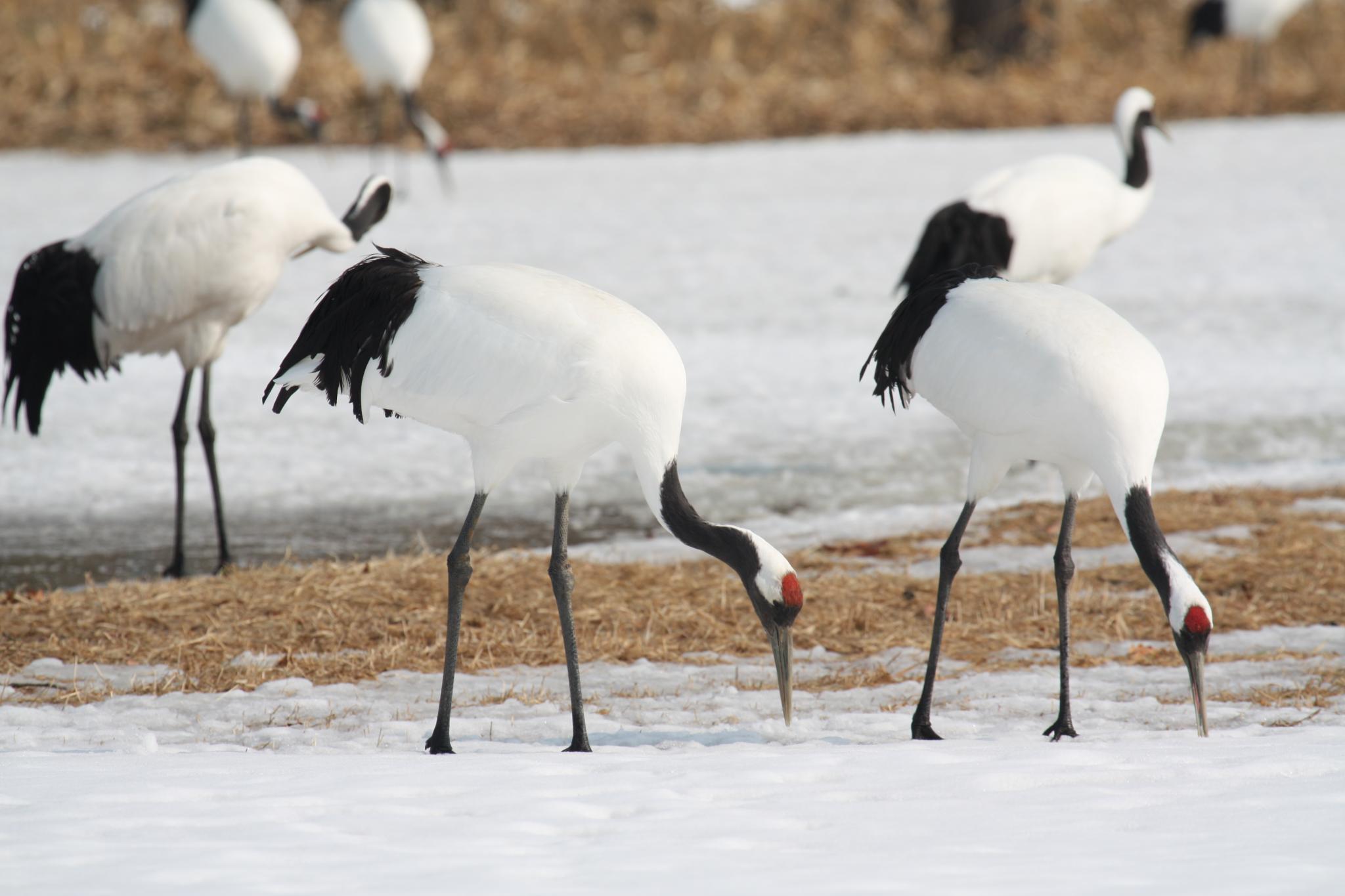
Wetland food chains are deeply embedded in human culture, often symbolizing fertility, renewal, and abundance. The Red-crowned Crane, a resident of East Asian wetlands, is revered in cultures like Japan and China as a symbol of longevity and good fortune, its presence indicating a healthy ecosystem. Many indigenous cultures, such as the Haudenosaunee (Iroquois) and Anishinaabe peoples, have traditional ecological knowledge deeply intertwined with wetland food webs, relying on them for sustenance and spiritual practices. The iconic image of a heron or egret standing in still water is a common motif in art and literature, evoking tranquility and the richness of nature. Furthermore, the health of wetland fisheries, a direct product of their food chains, supports global food security and economies, influencing diets and livelihoods worldwide.
⚡ Current State & Latest Developments
Currently, wetland food chains are under immense pressure from human activities. Habitat destruction due to urbanization, agriculture, and industrial pollution is leading to significant biodiversity loss. Climate change exacerbates these issues through altered precipitation patterns, increased temperatures, and rising sea levels, which can inundate coastal wetlands and disrupt salinity levels. Invasive species, such as the nutria in North America or the water hyacinth in tropical regions, can outcompete native organisms and fundamentally alter food web structures. Efforts are underway to restore degraded wetlands, with projects like the Everglades Restoration Project aiming to re-establish natural water flows and ecological processes, thereby bolstering the resilience of their food chains. Monitoring programs utilizing eDNA and advanced sensor technology are providing unprecedented insights into the real-time health of these complex systems.
🤔 Controversies & Debates
A significant controversy surrounds the management and prioritization of wetland restoration efforts. While there's broad scientific consensus on the importance of wetland food chains, debates arise over which wetlands to protect or restore, and to what extent. For instance, the economic value of converting wetlands for agricultural or development purposes often clashes with conservation goals, leading to intense political and legal battles. Another debate centers on the effectiveness and ecological impact of artificial wetlands versus natural ones; while artificial systems can provide some ecological benefits, they often fail to replicate the full complexity of natural food webs. Furthermore, the role and impact of introduced species on native food chains remain a contentious topic, with differing opinions on eradication versus management strategies.
🔮 Future Outlook & Predictions
The future of wetland food chains is intrinsically linked to global efforts in climate change mitigation and habitat conservation. Projections suggest that continued warming could lead to the loss of significant coastal wetland areas by 2100, impacting marine and estuarine food webs. However, advancements in ecological engineering and biotechnology may offer new tools for restoration and resilience. There's a growing focus on "blue carbon" initiatives, recognizing the critical role of coastal wetlands in carbon sequestration, which could drive increased investment in their protection. Predictive modeling, powered by AI and big data analytics of ecological indicators, will likely become more sophisticated in forecasting the health and stability of wetland food chai
Key Facts
- Category
- nature
- Type
- topic