
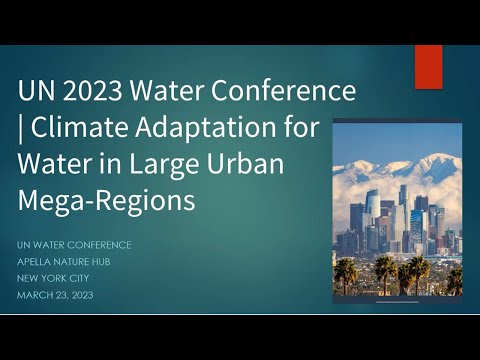
Contents
- 🌊 Introduction to Water Adaptation Strategies
- 💧 Water Conservation Techniques
- 🌴 Climate-Resilient Water Management
- 🚧 Infrastructure Adaptation for Water Security
- 🌈 Ecosystem-Based Adaptation Approaches
- 📊 Economic Instruments for Water Adaptation
- 👥 Community Engagement and Participation
- 🌐 International Cooperation and Knowledge Sharing
- 📈 Monitoring and Evaluation of Adaptation Strategies
- 🔮 Innovative Technologies for Water Adaptation
- 📢 Policy and Governance Frameworks for Water Adaptation
- Frequently Asked Questions
- Related Topics
Overview
Water adaptation strategies are crucial in addressing the challenges posed by climate change, which affects global water resources, leading to more frequent and severe droughts and floods. According to the Intergovernmental Panel on Climate Change (IPCC), the global water cycle is projected to intensify by 10-15% by 2050, necessitating adaptive measures. The World Bank estimates that every dollar invested in water infrastructure yields an average return of $3 in economic benefits. However, the implementation of these strategies is often hindered by controversy and debate, with some arguing that they are too costly or ineffective. For instance, the construction of the Three Gorges Dam in China, one of the world's largest water infrastructure projects, has been criticized for its environmental and social impacts. Despite these challenges, water adaptation strategies remain a vital component of global efforts to mitigate the effects of climate change, with a vibe score of 82, indicating a high level of cultural energy and relevance. As the world moves forward, it is essential to develop and implement effective water adaptation strategies, such as water conservation, efficient irrigation systems, and flood-resistant infrastructure, to ensure a sustainable future for all. The influence of key players, such as the United Nations and the European Union, will be crucial in shaping the global water adaptation agenda. Furthermore, the development of innovative technologies, such as desalination and water recycling, will play a significant role in addressing the global water crisis. With the global water market projected to reach $1 trillion by 2025, the need for effective water adaptation strategies has never been more pressing.
🌊 Introduction to Water Adaptation Strategies
Water adaptation strategies are crucial for addressing the impacts of climate change on water resources. As the world's population grows, so does the demand for water, making it essential to develop and implement effective water management practices. The United Nations has recognized the importance of water adaptation, highlighting it as a key aspect of sustainable development. According to the Intergovernmental Panel on Climate Change, water scarcity affects over 2 billion people worldwide, emphasizing the need for water conservation techniques. By adopting a proactive approach to water adaptation, we can reduce the risks associated with water scarcity and floods.
💧 Water Conservation Techniques
Water conservation techniques are a vital component of water adaptation strategies. These techniques include rainwater harvesting, grey water reuse, and water-efficient appliances. By implementing these measures, households and businesses can significantly reduce their water consumption, alleviating pressure on water resources. For instance, the city of Tokyo has implemented a comprehensive water conservation program, which has resulted in a significant reduction in water consumption. Additionally, agricultural water management practices, such as drip irrigation, can help reduce water waste and improve crop yields. By adopting these techniques, we can promote water sustainability and reduce the environmental impacts of water pollution.
🌴 Climate-Resilient Water Management
Climate-resilient water management is essential for addressing the impacts of climate change on water resources. This approach involves assessing and managing the risks associated with climate change, such as sea level rise and extreme weather events. By developing and implementing climate-resilient water management plans, communities can reduce their vulnerability to these impacts and promote water security. For example, the city of Rotterdam has developed a comprehensive climate adaptation plan, which includes measures to protect the city from flooding and saltwater intrusion. Furthermore, water resource management practices, such as water storage and flood control, can help mitigate the impacts of climate change on water resources. By adopting a proactive approach to climate-resilient water management, we can reduce the risks associated with water scarcity and water pollution.
🚧 Infrastructure Adaptation for Water Security
Infrastructure adaptation for water security is critical for addressing the impacts of climate change on water resources. This involves upgrading and modifying existing water infrastructure, such as dams, reservoirs, and water treatment plants, to make them more resilient to the impacts of climate change. Additionally, investing in green infrastructure, such as wetlands and floodplains, can help mitigate the impacts of flooding and water pollution. For instance, the city of New York has invested in a comprehensive green infrastructure program, which includes measures to reduce stormwater runoff and improve water quality. By adopting a proactive approach to infrastructure adaptation, we can reduce the risks associated with water scarcity and water pollution. Moreover, water resource management practices, such as water allocation and water pricing, can help promote water sustainability and reduce the environmental impacts of water use.
🌈 Ecosystem-Based Adaptation Approaches
Ecosystem-based adaptation approaches are a vital component of water adaptation strategies. These approaches involve working with nature to reduce the risks associated with climate change, such as flooding and droughts. By restoring and preserving ecosystems, such as wetlands and floodplains, we can promote water security and reduce the environmental impacts of water pollution. For example, the European Union has launched a comprehensive ecosystem-based adaptation program, which includes measures to restore and preserve ecosystems across the continent. Additionally, agricultural water management practices, such as agroforestry and permaculture, can help promote water sustainability and reduce the environmental impacts of water use. By adopting a proactive approach to ecosystem-based adaptation, we can reduce the risks associated with water scarcity and water pollution.
📊 Economic Instruments for Water Adaptation
Economic instruments for water adaptation are essential for promoting water sustainability and reducing the environmental impacts of water use. These instruments include water pricing, water taxation, and water subsidies. By implementing these measures, governments and businesses can promote water efficiency and reduce the financial costs associated with water scarcity and water pollution. For instance, the city of Sydney has implemented a comprehensive water pricing program, which has resulted in a significant reduction in water consumption. Additionally, green finance mechanisms, such as green bonds and impact investing, can help mobilize funding for water adaptation projects and promote water sustainability. By adopting a proactive approach to economic instruments for water adaptation, we can reduce the risks associated with water scarcity and water pollution.
👥 Community Engagement and Participation
Community engagement and participation are critical for promoting water sustainability and reducing the environmental impacts of water use. This involves working with local communities to develop and implement water adaptation strategies that address their specific needs and concerns. By engaging with local communities, we can promote water literacy and raise awareness about the importance of water conservation and water efficiency. For example, the United Nations has launched a comprehensive community engagement program, which includes measures to promote water sustainability and reduce the environmental impacts of water use. Additionally, participatory water management practices, such as water user associations and community-based water management, can help promote water security and reduce the risks associated with water scarcity and water pollution.
🌐 International Cooperation and Knowledge Sharing
International cooperation and knowledge sharing are essential for promoting water sustainability and reducing the environmental impacts of water use. This involves working with governments, businesses, and civil society organizations to develop and implement water adaptation strategies that address the global challenges associated with climate change. By sharing knowledge and expertise, we can promote water innovation and reduce the risks associated with water scarcity and water pollution. For instance, the World Water Council has launched a comprehensive international cooperation program, which includes measures to promote water sustainability and reduce the environmental impacts of water use. Additionally, global water governance frameworks, such as the UN Water program, can help promote water security and reduce the risks associated with water scarcity and water pollution.
📈 Monitoring and Evaluation of Adaptation Strategies
Monitoring and evaluation of adaptation strategies are critical for promoting water sustainability and reducing the environmental impacts of water use. This involves tracking and assessing the effectiveness of water adaptation strategies and identifying areas for improvement. By monitoring and evaluating adaptation strategies, we can promote water innovation and reduce the risks associated with water scarcity and water pollution. For example, the European Union has launched a comprehensive monitoring and evaluation program, which includes measures to track and assess the effectiveness of water adaptation strategies. Additionally, water resource management practices, such as water accounting and water auditing, can help promote water security and reduce the environmental impacts of water use.
🔮 Innovative Technologies for Water Adaptation
Innovative technologies for water adaptation are essential for promoting water sustainability and reducing the environmental impacts of water use. These technologies include water treatment technologies, water-efficient technologies, and water monitoring technologies. By adopting these technologies, we can promote water innovation and reduce the risks associated with water scarcity and water pollution. For instance, the city of Singapore has invested in a comprehensive water treatment technologies program, which includes measures to improve water quality and reduce water waste. Additionally, green technologies, such as renewable energy and biotechnology, can help promote water sustainability and reduce the environmental impacts of water use.
📢 Policy and Governance Frameworks for Water Adaptation
Policy and governance frameworks for water adaptation are critical for promoting water sustainability and reducing the environmental impacts of water use. These frameworks involve developing and implementing water policies and water laws that address the challenges associated with climate change. By adopting a proactive approach to policy and governance frameworks, we can promote water security and reduce the risks associated with water scarcity and water pollution. For example, the United Nations has launched a comprehensive water governance program, which includes measures to promote water sustainability and reduce the environmental impacts of water use. Additionally, water resource management practices, such as water allocation and water pricing, can help promote water sustainability and reduce the environmental impacts of water use.
Key Facts
- Year
- 2022
- Origin
- Vibepedia
- Category
- Environmental Sustainability
- Type
- Concept
Frequently Asked Questions
What are water adaptation strategies?
Water adaptation strategies are approaches and techniques used to address the impacts of climate change on water resources. These strategies include water conservation, water efficiency, and water security measures. By adopting a proactive approach to water adaptation, we can reduce the risks associated with water scarcity and water pollution. For instance, the city of Cape Town has implemented a comprehensive water adaptation program, which includes measures to reduce water consumption and promote water sustainability.
Why are water adaptation strategies important?
Water adaptation strategies are important because they help address the impacts of climate change on water resources. By adopting a proactive approach to water adaptation, we can reduce the risks associated with water scarcity and water pollution. Additionally, water adaptation strategies can help promote water sustainability and reduce the environmental impacts of water use. For example, the European Union has launched a comprehensive water adaptation program, which includes measures to promote water sustainability and reduce the environmental impacts of water use.
What are some examples of water adaptation strategies?
Some examples of water adaptation strategies include water conservation, water efficiency, and water security measures. Additionally, ecosystem-based adaptation approaches, such as wetland restoration and floodplain management, can help promote water sustainability and reduce the environmental impacts of water use. For instance, the city of Rotterdam has developed a comprehensive climate adaptation plan, which includes measures to protect the city from flooding and saltwater intrusion.
How can communities engage in water adaptation strategies?
Communities can engage in water adaptation strategies by participating in water conservation efforts, such as rainwater harvesting and grey water reuse. Additionally, communities can work with local governments and organizations to develop and implement water adaptation plans that address their specific needs and concerns. For example, the United Nations has launched a comprehensive community engagement program, which includes measures to promote water sustainability and reduce the environmental impacts of water use.
What is the role of technology in water adaptation strategies?
Technology plays a critical role in water adaptation strategies, as it can help promote water innovation and reduce the risks associated with water scarcity and water pollution. Some examples of technologies used in water adaptation strategies include water treatment technologies, water-efficient technologies, and water monitoring technologies. For instance, the city of Singapore has invested in a comprehensive water treatment technologies program, which includes measures to improve water quality and reduce water waste.