
Contents
- 🏠 Introduction to Voice Assistant Standards
- 💡 History of Voice Assistants
- 📊 Market Share and Competition
- 🤝 Collaboration and Standardization Efforts
- 🔒 Security and Privacy Concerns
- 📈 Future of Voice Assistant Standards
- 👥 Key Players and Their Roles
- 📊 Impact on Smart Home Devices
- 📈 Emerging Trends and Technologies
- 🔍 Challenges and Controversies
- 📊 Conclusion and Future Outlook
- Frequently Asked Questions
- Related Topics
Overview
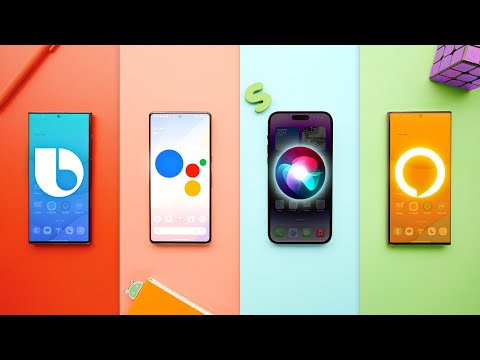
The voice assistant market is a high-stakes game, with Amazon's Alexa, Google Assistant, and Apple's Siri jockeying for position. But as the smart home ecosystem expands, the need for standardized protocols and interfaces has become increasingly urgent. The Open Voice Network, a coalition of companies including Microsoft, Samsung, and Target, is pushing for a more open and interoperable framework. Meanwhile, the Smart Home standard, backed by Apple, Amazon, and Google, promises seamless integration across devices. However, critics argue that these standards are still too proprietary, and that a truly open-source solution is needed. With the global voice assistant market projected to reach $25.63 billion by 2025, the stakes are high. As the voice assistant wars heat up, one thing is clear: the future of smart home technology hangs in the balance. The question is, who will set the standard, and what will be the consequences for consumers and manufacturers alike?
🏠 Introduction to Voice Assistant Standards
The battle for smart home supremacy is being fought on multiple fronts, with voice assistant standards being a crucial aspect of this war. As of 2022, the global smart home market was valued at $146 billion, with an expected growth rate of 12% per annum. Smart Home devices are becoming increasingly popular, and Voice Assistants are at the forefront of this revolution. Companies like Amazon and Google are investing heavily in voice assistant technology, with Alexa and Google Assistant being two of the most popular voice assistants. However, the lack of standardization is a major hurdle in the adoption of voice assistants, with different devices and platforms having different compatibility and functionality.
💡 History of Voice Assistants
The history of voice assistants dates back to the 1960s, when the first voice recognition system was developed. However, it wasn't until the launch of Siri in 2011 that voice assistants became a mainstream phenomenon. Since then, the market has exploded, with numerous players entering the fray. Mircosoft launched Cortana in 2014, while Facebook launched Portal in 2018. The voice assistant market is expected to reach $25.63 billion by 2025, growing at a CAGR of 34.7%. Voice Assistant Market research suggests that the market will continue to grow, driven by increasing demand for smart home devices and voice-controlled interfaces.
🤝 Collaboration and Standardization Efforts
Collaboration and standardization efforts are underway to address the issue of compatibility and functionality. The Smart Speaker market is expected to reach $13.5 billion by 2025, growing at a CAGR of 24.5%. Companies like Amazon and Google are working together to develop common standards for voice assistants, with the goal of making it easier for developers to create voice-controlled interfaces. The Voice Assistant Standards initiative is a step in this direction, with the aim of creating a set of common standards for voice assistants. IoT devices are also becoming increasingly popular, with Smart Home Devices being a major driver of growth.
🔒 Security and Privacy Concerns
Security and privacy concerns are a major issue in the voice assistant market, with many users worried about the potential risks of using voice assistants. Data Privacy is a major concern, with companies like Facebook and Google facing criticism for their handling of user data. The use of Voice Biometrics is also a concern, with many experts warning about the potential risks of using voice biometrics for authentication. Security is a major issue, with many voice assistants vulnerable to hacking and other forms of cyber attacks. Cybersecurity is a major concern, with companies like Mircosoft and Amazon investing heavily in cybersecurity research and development.
📈 Future of Voice Assistant Standards
The future of voice assistant standards is uncertain, with many experts predicting that the market will continue to grow and evolve. AI and ML are expected to play a major role in the development of voice assistants, with many companies investing heavily in AI and ML research and development. The use of Natural Language Processing is also expected to increase, with many voice assistants using NLP to improve their functionality and accuracy. Voice Assistant Trends suggest that the market will continue to grow, driven by increasing demand for smart home devices and voice-controlled interfaces.
👥 Key Players and Their Roles
Key players like Amazon, Google, and Apple are driving the voice assistant market, with each company investing heavily in voice assistant technology. Mircosoft and Facebook are also major players, with each company having its own voice assistant platform. The Voice Assistant Market is expected to continue to grow, driven by increasing demand for smart home devices and voice-controlled interfaces. Smart Home Devices are becoming increasingly popular, with many companies investing heavily in smart home research and development.
📊 Impact on Smart Home Devices
The impact of voice assistant standards on smart home devices is significant, with many smart home devices relying on voice assistants for control and functionality. Smart Home Devices like Thermostats and Lighting systems are becoming increasingly popular, with many companies investing heavily in smart home research and development. The use of Voice Control is also increasing, with many smart home devices using voice control for functionality and control. Home Automation is a major driver of growth, with many companies investing heavily in home automation research and development.
📈 Emerging Trends and Technologies
Emerging trends and technologies like AI and ML are expected to play a major role in the development of voice assistants. The use of Natural Language Processing is also expected to increase, with many voice assistants using NLP to improve their functionality and accuracy. Voice Assistant Trends suggest that the market will continue to grow, driven by increasing demand for smart home devices and voice-controlled interfaces. IoT devices are also becoming increasingly popular, with Smart Home Devices being a major driver of growth.
🔍 Challenges and Controversies
Challenges and controversies like Data Privacy and Security are major concerns in the voice assistant market. The use of Voice Biometrics is also a concern, with many experts warning about the potential risks of using voice biometrics for authentication. Cybersecurity is a major concern, with companies like Mircosoft and Amazon investing heavily in cybersecurity research and development. Voice Assistant Standards are expected to play a major role in addressing these concerns, with the goal of making voice assistants more secure and private.
📊 Conclusion and Future Outlook
In conclusion, the battle for smart home supremacy is being fought on multiple fronts, with voice assistant standards being a crucial aspect of this war. The market is expected to continue to grow, driven by increasing demand for smart home devices and voice-controlled interfaces. Voice Assistant Trends suggest that the market will continue to evolve, with emerging trends and technologies like AI and ML playing a major role in the development of voice assistants. The future of voice assistant standards is uncertain, but one thing is clear: the market will continue to grow and evolve, driven by increasing demand for smart home devices and voice-controlled interfaces.
Key Facts
- Year
- 2022
- Origin
- The Open Voice Network, a coalition of companies including Microsoft, Samsung, and Target, launched in 2020 with the goal of creating a more open and interoperable voice assistant standard.
- Category
- Technology
- Type
- Technology Standard
Frequently Asked Questions
What is the current market share of voice assistants?
As of 2022, the market share of voice assistants is highly contested, with Amazon's Alexa having a market share of 42%, while Google's Google Assistant has a market share of 27%. Apple's Siri has a market share of 12%, while Mircosoft's Cortana has a market share of 6%. The competition is fierce, with each company trying to outdo the others in terms of functionality, compatibility, and innovation.
What are the security and privacy concerns in the voice assistant market?
Security and privacy concerns are a major issue in the voice assistant market, with many users worried about the potential risks of using voice assistants. Data Privacy is a major concern, with companies like Facebook and Google facing criticism for their handling of user data. The use of Voice Biometrics is also a concern, with many experts warning about the potential risks of using voice biometrics for authentication. Cybersecurity is a major concern, with companies like Mircosoft and Amazon investing heavily in cybersecurity research and development.
What is the future of voice assistant standards?
The future of voice assistant standards is uncertain, but one thing is clear: the market will continue to grow and evolve, driven by increasing demand for smart home devices and voice-controlled interfaces. Emerging trends and technologies like AI and ML are expected to play a major role in the development of voice assistants. The use of Natural Language Processing is also expected to increase, with many voice assistants using NLP to improve their functionality and accuracy.
What are the key players in the voice assistant market?
Key players like Amazon, Google, and Apple are driving the voice assistant market, with each company investing heavily in voice assistant technology. Mircosoft and Facebook are also major players, with each company having its own voice assistant platform. The Voice Assistant Market is expected to continue to grow, driven by increasing demand for smart home devices and voice-controlled interfaces.
What is the impact of voice assistant standards on smart home devices?
The impact of voice assistant standards on smart home devices is significant, with many smart home devices relying on voice assistants for control and functionality. Smart Home Devices like Thermostats and Lighting systems are becoming increasingly popular, with many companies investing heavily in smart home research and development. The use of Voice Control is also increasing, with many smart home devices using voice control for functionality and control.
What are the emerging trends and technologies in the voice assistant market?
Emerging trends and technologies like AI and ML are expected to play a major role in the development of voice assistants. The use of Natural Language Processing is also expected to increase, with many voice assistants using NLP to improve their functionality and accuracy. Voice Assistant Trends suggest that the market will continue to grow, driven by increasing demand for smart home devices and voice-controlled interfaces.
What are the challenges and controversies in the voice assistant market?
Challenges and controversies like Data Privacy and Security are major concerns in the voice assistant market. The use of Voice Biometrics is also a concern, with many experts warning about the potential risks of using voice biometrics for authentication. Cybersecurity is a major concern, with companies like Mircosoft and Amazon investing heavily in cybersecurity research and development.