
Contents
Overview
The concept of virtual restaurants emerged in the early 2010s, with companies like Uber Eats and DoorDash pioneering the food delivery market. Restaurants like Chick-fil-A and McDonald's began to partner with these platforms, allowing customers to order food online and have it delivered to their doorstep. As the demand for food delivery grew, so did the number of virtual restaurants, with companies like CloudKitchen and Kitchen United launching ghost kitchen platforms. According to a report by Euromonitor, the global food delivery market is expected to reach $150 billion by 2025, with virtual restaurants playing a significant role in this growth. Companies like Google, Amazon, and Facebook have also invested in the food delivery market, with Google partnering with Uber Eats and Amazon launching its own food delivery service, Amazon Restaurants.
📊 How It Works
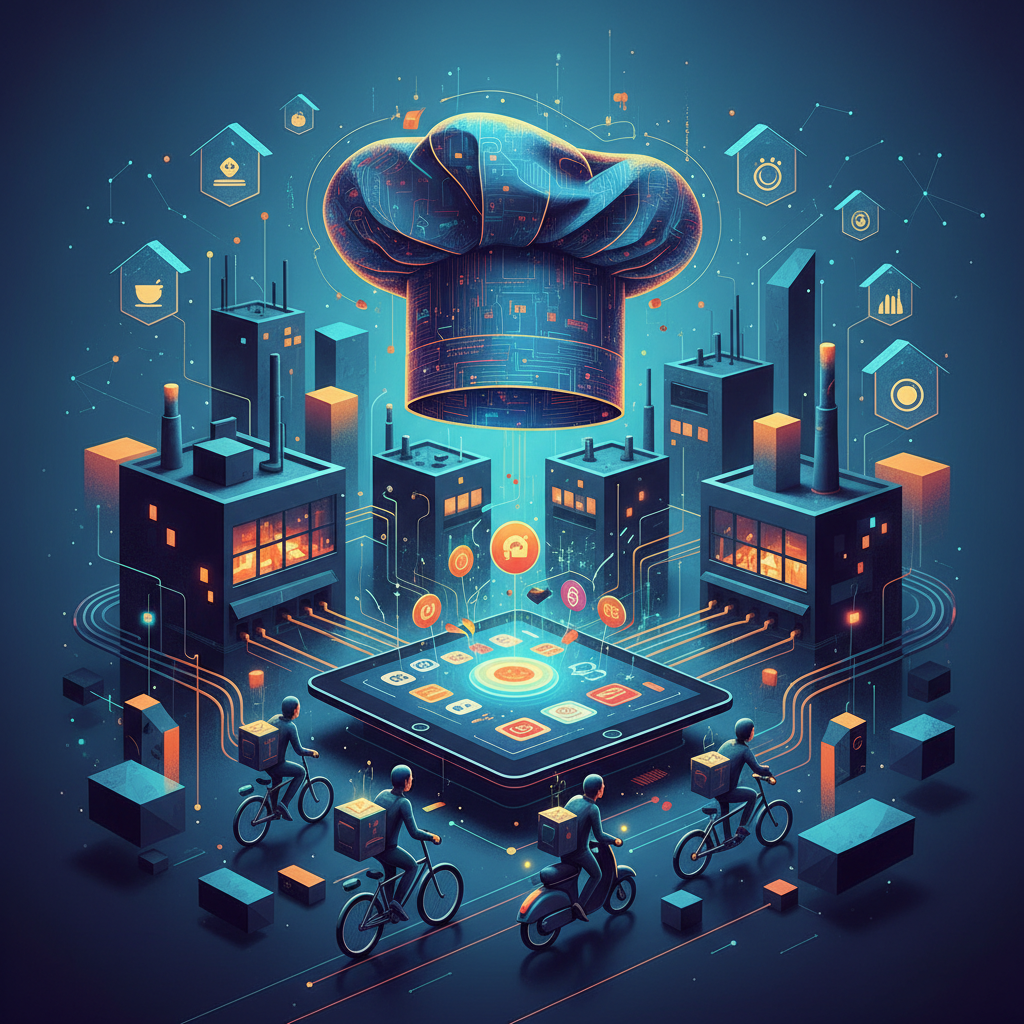
Virtual restaurants operate by partnering with existing restaurants or hiring their own chefs to prepare meals in shared kitchen spaces. These kitchens, often referred to as ghost kitchens or cloud kitchens, are designed specifically for food preparation and delivery, without the need for a physical dining space. Companies like Kitchen United and CloudKitchen provide the infrastructure and technology for virtual restaurants to operate, including kitchen space, equipment, and software for managing orders and delivery. Restaurants like KFC and Taco Bell have also launched their own virtual restaurants, using their existing brand recognition to attract customers. According to a report by McKinsey, the average cost of operating a virtual restaurant is 30% lower than a traditional restaurant, making it an attractive option for entrepreneurs and established restaurants alike.
👥 Cultural Impact
The rise of virtual restaurants has had a significant impact on the food industry, with many traditional restaurants struggling to compete with the convenience and affordability of online ordering and delivery. However, virtual restaurants have also created new opportunities for entrepreneurs and chefs to launch their own restaurants, without the need for a large upfront investment. Companies like Uber Eats and DoorDash have also created new jobs and revenue streams for restaurants, with many establishments reporting an increase in sales since partnering with these platforms. According to a report by the National Restaurant Association, 60% of restaurants have seen an increase in sales since partnering with food delivery platforms. Virtual restaurants have also changed the way consumers interact with food, with many people using social media platforms like Instagram and TikTok to discover new restaurants and cuisines.
🔮 Legacy & Future
As the virtual restaurant industry continues to grow, it is likely that we will see new innovations and technologies emerge, such as automated kitchen equipment and virtual reality dining experiences. Companies like Domino's Pizza and Pizza Hut are already using artificial intelligence and machine learning to improve their delivery services, with AI-powered chatbots and predictive analytics helping to streamline the ordering process. According to a report by Gartner, the use of AI in the food industry is expected to increase by 50% in the next two years, with virtual restaurants leading the way. Virtual restaurants are also likely to play a significant role in the development of sustainable food systems, with many establishments prioritizing eco-friendly packaging and locally sourced ingredients. As the demand for food delivery continues to grow, it is likely that virtual restaurants will become an increasingly important part of the food industry, offering consumers a convenient and affordable way to access a wide range of cuisines.
Key Facts
- Year
- 2014
- Origin
- San Francisco, California
- Category
- technology
- Type
- concept
Frequently Asked Questions
What is a virtual restaurant?
A virtual restaurant is an establishment that operates solely through online platforms, without a physical dining space. This concept has been adopted by restaurants like Chick-fil-A and McDonald's, and has been made possible by food delivery platforms like Uber Eats and DoorDash. According to a report by Forbes, the number of virtual restaurants has increased by 50% in the last year, with many establishments reporting an increase in sales since partnering with food delivery platforms.
How do virtual restaurants work?
Virtual restaurants operate by partnering with existing restaurants or hiring their own chefs to prepare meals in shared kitchen spaces. These kitchens, often referred to as ghost kitchens or cloud kitchens, are designed specifically for food preparation and delivery, without the need for a physical dining space. Companies like Kitchen United and CloudKitchen provide the infrastructure and technology for virtual restaurants to operate, including kitchen space, equipment, and software for managing orders and delivery. According to a report by Bloomberg, the average cost of operating a virtual restaurant is 30% lower than a traditional restaurant, making it an attractive option for entrepreneurs and established restaurants alike.
What is the impact of virtual restaurants on the food industry?
The rise of virtual restaurants has had a significant impact on the food industry, with many traditional restaurants struggling to compete with the convenience and affordability of online ordering and delivery. However, virtual restaurants have also created new opportunities for entrepreneurs and chefs to launch their own restaurants, without the need for a large upfront investment. According to a report by the National Restaurant Association, 60% of restaurants have seen an increase in sales since partnering with food delivery platforms. Virtual restaurants have also changed the way consumers interact with food, with many people using social media platforms like Instagram and TikTok to discover new restaurants and cuisines.
What is the future of virtual restaurants?
As the virtual restaurant industry continues to grow, it is likely that we will see new innovations and technologies emerge, such as automated kitchen equipment and virtual reality dining experiences. Companies like Domino's Pizza and Pizza Hut are already using artificial intelligence and machine learning to improve their delivery services, with AI-powered chatbots and predictive analytics helping to streamline the ordering process. According to a report by Gartner, the use of AI in the food industry is expected to increase by 50% in the next two years, with virtual restaurants leading the way. Virtual restaurants are also likely to play a significant role in the development of sustainable food systems, with many establishments prioritizing eco-friendly packaging and locally sourced ingredients.
How do virtual restaurants affect the environment?
Virtual restaurants can have both positive and negative effects on the environment. On the one hand, they can reduce the need for physical dining spaces, which can lead to a reduction in energy consumption and waste. On the other hand, the increased demand for food delivery can lead to an increase in packaging waste and carbon emissions from delivery vehicles. According to a report by the Environmental Protection Agency, the food delivery industry is responsible for 10% of the total greenhouse gas emissions in the United States. However, many virtual restaurants are prioritizing sustainability, with companies like Uber Eats and DoorDash offering eco-friendly packaging options and partnering with restaurants that use locally sourced ingredients.