
Contents
Overview
The concept of ghost kitchens emerged in the early 2010s, with companies like Uber Eats and DoorDash pioneering the food delivery market. As the demand for food delivery grew, restaurants like Chick-fil-A, McDonald's, and KFC began to explore the ghost kitchen model, partnering with companies like CloudKitchen, founded by Travis Kalanick, and Kitchen United, backed by Google Ventures. This shift has been driven by the rise of food delivery apps, with companies like GrubHub, Postmates, and SkipTheDishes changing the way people order food. According to a report by Euromonitor, the global food delivery market is expected to reach $150 billion by 2025, with ghost kitchens playing a significant role in this growth.
📈 How It Works
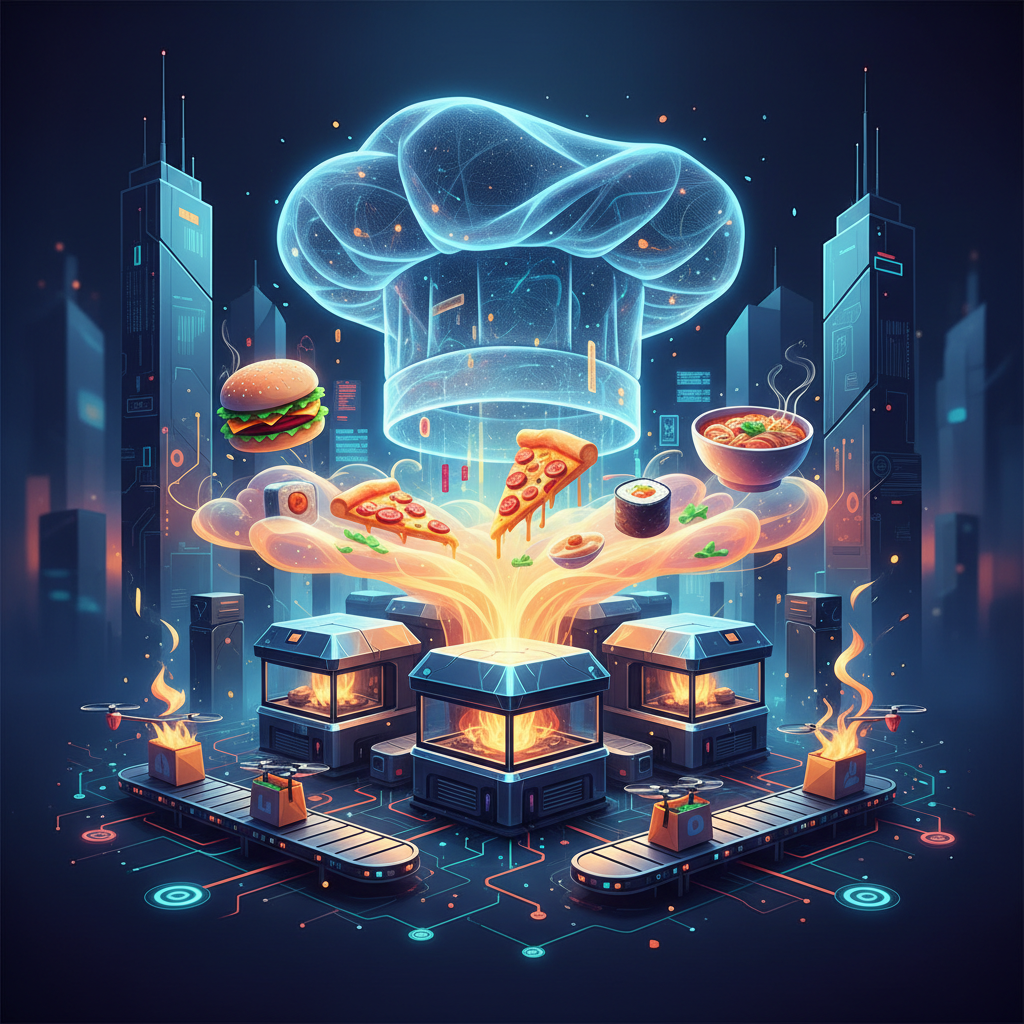
Ghost kitchens operate by renting out commercial kitchen space to multiple restaurants, allowing them to produce food for delivery or pickup only. This model eliminates the need for a physical dining area, reducing overhead costs and increasing efficiency. Companies like CloudKitchen, Kitchen United, and Reef Kitchens provide the infrastructure and technology for ghost kitchens to operate, including kitchen space, equipment, and software for managing orders and inventory. For example, CloudKitchen's platform allows restaurants to manage their menus, pricing, and inventory in real-time, while also providing data analytics to optimize their operations. Restaurants like Sweetgreen, Shake Shack, and &pizza have already adopted this model, partnering with ghost kitchen operators to expand their delivery capabilities.
🌐 Cultural Impact
The ghost kitchen model has had a significant impact on the traditional restaurant industry, with many restaurants struggling to adapt to the changing landscape. However, it has also created new opportunities for entrepreneurs and small businesses to enter the market, with companies like Uber Eats and DoorDash providing the infrastructure and support for ghost kitchens to thrive. According to a report by CB Insights, the ghost kitchen market is expected to reach $1 trillion by 2030, with investors like SoftBank, Sequoia Capital, and Andreessen Horowitz backing companies like CloudKitchen, Kitchen United, and Reef Kitchens. The rise of ghost kitchens has also led to the creation of new job opportunities, with companies like GrubHub, Postmates, and SkipTheDishes hiring thousands of delivery drivers and customer support staff.
🔮 Legacy & Future
As the ghost kitchen market continues to grow, it is likely to have a lasting impact on the traditional restaurant industry. With the rise of food delivery apps and the increasing demand for convenience, ghost kitchens are well-positioned to become a major player in the food industry. Companies like McDonald's, KFC, and Chick-fil-A are already investing in ghost kitchens, and it is likely that other major restaurant chains will follow suit. According to a report by McKinsey, the ghost kitchen model could lead to a 10-15% increase in restaurant profitability, as well as a 5-10% increase in customer satisfaction. However, there are also concerns about the impact of ghost kitchens on local communities, with some arguing that they could lead to a decline in traditional restaurants and a loss of community character.
Key Facts
- Year
- 2010
- Origin
- United States
- Category
- technology
- Type
- concept
Frequently Asked Questions
What is a ghost kitchen?
A ghost kitchen is a commercial cooking space that produces food for delivery or pickup only, without a physical dining area. Companies like CloudKitchen, Kitchen United, and Reef Kitchens provide the infrastructure and technology for ghost kitchens to operate. For example, CloudKitchen's platform allows restaurants to manage their menus, pricing, and inventory in real-time, while also providing data analytics to optimize their operations.
How do ghost kitchens work?
Ghost kitchens operate by renting out commercial kitchen space to multiple restaurants, allowing them to produce food for delivery or pickup only. This model eliminates the need for a physical dining area, reducing overhead costs and increasing efficiency. Companies like Uber Eats, DoorDash, and GrubHub provide the infrastructure and support for ghost kitchens to thrive, including kitchen space, equipment, and software for managing orders and inventory.
What is the impact of ghost kitchens on traditional restaurants?
The ghost kitchen model has disrupted the traditional restaurant industry, with many restaurants struggling to adapt to the changing landscape. However, it has also created new opportunities for entrepreneurs and small businesses to enter the market, with companies like Uber Eats and DoorDash providing the infrastructure and support for ghost kitchens to thrive. According to a report by CB Insights, the ghost kitchen market is expected to reach $1 trillion by 2030, with investors like SoftBank, Sequoia Capital, and Andreessen Horowitz backing companies like CloudKitchen, Kitchen United, and Reef Kitchens.
What are the benefits of ghost kitchens?
The benefits of ghost kitchens include increased efficiency, reduced overhead costs, and the ability to reach a wider customer base through food delivery apps. According to a report by McKinsey, the ghost kitchen model could lead to a 10-15% increase in restaurant profitability, as well as a 5-10% increase in customer satisfaction. Companies like McDonald's, KFC, and Chick-fil-A are already investing in ghost kitchens, and it is likely that other major restaurant chains will follow suit.
What are the challenges of ghost kitchens?
The challenges of ghost kitchens include the need for significant investment in technology and infrastructure, as well as the potential for decreased customer interaction and loyalty. Additionally, there are concerns about the impact of ghost kitchens on local communities, with some arguing that they could lead to a decline in traditional restaurants and a loss of community character. However, companies like CloudKitchen and Kitchen United are working to address these concerns, with initiatives like community outreach programs and partnerships with local restaurants and food trucks.