
Contents
- 🔬 Introduction to Viral Replication Cycle
- 🧬 Structure and Genome of Viruses
- 🔑 Attachment and Penetration of Host Cells
- 📈 Replication and Transcription of Viral Genome
- 🔩 Translation and Synthesis of Viral Proteins
- 🚮 Assembly and Release of New Viral Particles
- 👥 Host-Virus Interactions and Immune Response
- 💡 Applications and Implications of Viral Replication Cycle
- 📊 Mathematical Modeling of Viral Replication
- 🧮 Future Directions and Challenges in Virology
- 📚 Conclusion and References
- Frequently Asked Questions
- Related Topics
Overview
The viral replication cycle is a complex, multi-step process by which viruses reproduce and spread within host cells. This cycle includes attachment, penetration, uncoating, replication, transcription, translation, assembly, and release. Each step is crucial for the successful replication of the virus, and understanding these processes is essential for developing effective antiviral therapies. The replication cycle of viruses such as HIV, influenza, and SARS-CoV-2 has been extensively studied, revealing key insights into the molecular mechanisms underlying viral infection. For instance, the replication cycle of SARS-CoV-2 involves the interaction of the viral spike protein with host cell receptors, such as ACE2, to facilitate entry into the host cell. Furthermore, the replication cycle of viruses can be influenced by various host cell factors, including the presence of innate immune responses and the availability of nutrients and energy sources. As research continues to uncover the intricacies of the viral replication cycle, new avenues for therapeutic intervention are being explored, including the development of antiviral drugs and vaccines that target specific steps in the replication cycle.
🧬 Structure and Genome of Viruses
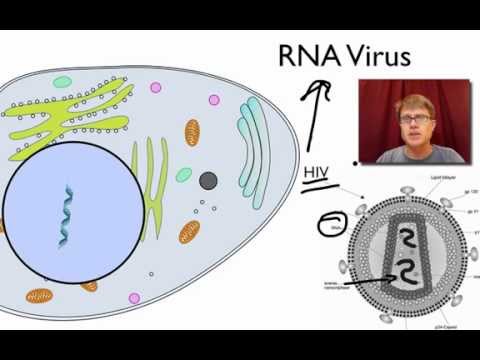
The structure and genome of viruses are critical components of the viral replication cycle. The viral genome is composed of either DNA or RNA, and it contains the genetic information necessary for the replication and transcription of the virus. The viral genome is surrounded by a protein coat, known as the capsid, which protects the genetic material and facilitates the attachment and penetration of the host cell. The viral envelope is another critical component of the virus, as it contains the proteins necessary for attachment and entry into the host cell. For example, the herpesvirus has a complex envelope that allows it to attach to and penetrate host cells. In contrast, the picornavirus has a simple envelope that is composed of a single layer of protein. Understanding the structure and genome of viruses is essential for the development of effective vaccines and antiviral drugs.
🔑 Attachment and Penetration of Host Cells
The attachment and penetration of host cells is a critical stage of the viral replication cycle. This process involves the interaction between the viral envelope and the host cell surface, and it is mediated by specific proteins and receptors. For example, the influenza virus uses the hemagglutinin protein to attach to and penetrate host cells. In contrast, the HIV virus uses the gp120 protein to attach to and penetrate host cells. Understanding the mechanisms of attachment and penetration is essential for the development of effective antiviral therapies. For example, the oseltamivir drug works by inhibiting the neuraminidase protein, which is necessary for the release of new viral particles from infected cells.
👥 Host-Virus Interactions and Immune Response
The host-virus interactions and immune response is a critical component of the viral replication cycle. The host immune system plays a crucial role in combating viral infections, and understanding the mechanisms of immune response is essential for the development of effective vaccines and antiviral therapies. The host immune system uses a variety of mechanisms to combat viral infections, including the innate immune response and the adaptive immune response. For example, the influenza virus triggers a strong innate immune response, which involves the activation of cytokines and the recruitment of immune cells. In contrast, the HIV virus triggers a weak innate immune response, which allows it to evade the host immune system and establish a chronic infection.
🧮 Future Directions and Challenges in Virology
The future directions and challenges in virology are numerous and significant. One of the major challenges is the development of effective vaccines and antiviral drugs against emerging and re-emerging viral infections. For example, the SARS-CoV-2 virus is a newly emerging viral infection that has caused a global pandemic. Understanding the mechanisms of viral replication and the host-virus interactions is essential for the development of effective vaccines and antiviral drugs. Another major challenge is the development of effective diagnostic tests and surveillance systems for viral infections.
📚 Conclusion and References
In conclusion, the viral replication cycle is a complex process that involves the attachment, penetration, replication, transcription, translation, assembly, and release of new viral particles. Understanding the mechanisms of viral replication is essential for the development of effective vaccines and antiviral drugs. The host-virus interactions and immune response play a critical role in combating viral infections, and understanding the mechanisms of immune response is essential for the development of effective vaccines and antiviral therapies.
Key Facts
- Year
- 2022
- Origin
- Vibepedia.wiki
- Category
- Virology
- Type
- Biological Process
Frequently Asked Questions
What is the viral replication cycle?
The viral replication cycle is a complex process that involves the attachment, penetration, replication, transcription, translation, assembly, and release of new viral particles. Understanding the mechanisms of viral replication is essential for the development of effective vaccines and antiviral drugs.
What are the different stages of the viral replication cycle?
The different stages of the viral replication cycle include attachment, penetration, replication, transcription, translation, assembly, and release. Each stage is critical for the successful replication of the virus, and any disruption to this process can result in the host's immune system being able to combat the infection.
What is the role of the host immune system in combating viral infections?
The host immune system plays a crucial role in combating viral infections, and understanding the mechanisms of immune response is essential for the development of effective vaccines and antiviral therapies. The host immune system uses a variety of mechanisms to combat viral infections, including the innate immune response and the adaptive immune response.
What are the applications and implications of the viral replication cycle?
The applications and implications of the viral replication cycle are numerous and significant. Understanding the mechanisms of viral replication is essential for the development of effective vaccines and antiviral drugs. The viral replication cycle is also essential for the development of effective diagnostic tests and surveillance systems.
What are the future directions and challenges in virology?
The future directions and challenges in virology are numerous and significant. One of the major challenges is the development of effective vaccines and antiviral drugs against emerging and re-emerging viral infections. Understanding the mechanisms of viral replication and the host-virus interactions is essential for the development of effective vaccines and antiviral drugs.