
Contents
Overview
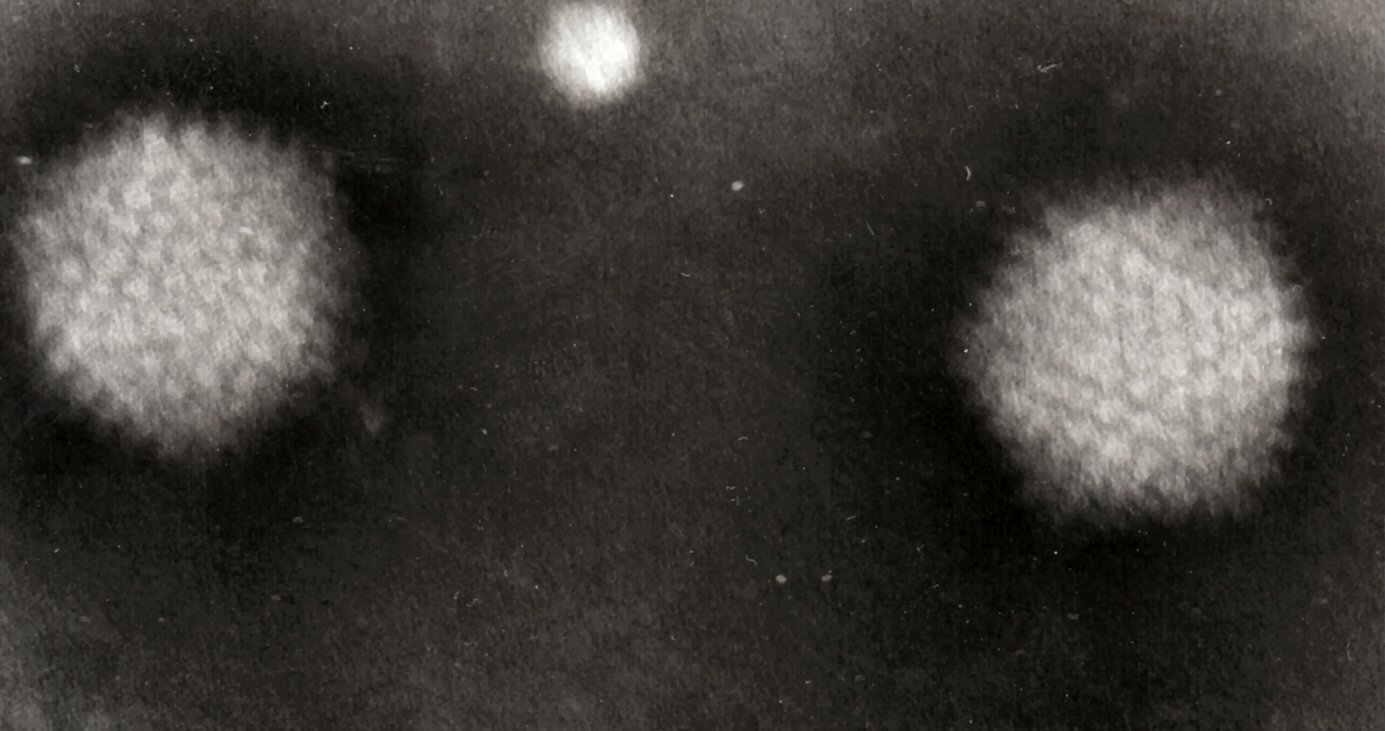
The story of the adenovirus begins in 1953, when scientists at the National Institutes of Health (NIH) isolated a novel virus from human adenoid tissue samples. This discovery, spearheaded by Robert M. Trueheart and colleagues, marked the identification of a new viral family, subsequently named Adenoviridae. Early research, including work by Wallace Rowe and Robert Chanock at the NIH, quickly established their broad host range and association with respiratory illnesses. The initial isolation from adenoids, lymphoid tissues in the upper respiratory tract, directly influenced their nomenclature and provided the first clue to their pathogenic potential. Over the subsequent decades, advancements in molecular biology and virology, particularly the development of techniques like electron microscopy and DNA sequencing, allowed for the detailed characterization of their structure and genome, revealing their complexity and adaptability.
⚙️ How It Works
Adenoviruses operate with a sophisticated, yet elegant, mechanism for cellular invasion and replication. Their nonenveloped structure, featuring a protein capsid, allows them to withstand harsh environmental conditions. The virus initiates infection by binding to specific cellular receptors, often coxsackie adenovirus receptors (CAR) or integrins, on the host cell surface. This binding triggers endocytosis, engulfing the virus into the cell. Once inside, the viral capsid disassembles, releasing the double-stranded DNA genome into the nucleus. Here, the viral DNA hijacks the host cell's machinery, forcing it to transcribe and translate viral genes, ultimately producing new viral particles. These progeny virions are assembled within the nucleus and released, often through cell lysis, to infect neighboring cells. The efficiency of this process makes them potent pathogens and valuable tools for gene delivery.
📊 Key Facts & Numbers
Adenoviruses represent a significant global health burden and a burgeoning biotechnological asset. Globally, there are over 50 distinct human adenovirus serotypes, with at least 10 commonly causing human disease. These viruses are responsible for an estimated 5-10% of all respiratory illnesses in children, contributing to millions of outpatient visits annually. In immunocompromised populations, such as HIV/AIDS patients or organ transplant recipients, adenovirus infections can have a mortality rate as high as 50%. On the therapeutic front, adenovirus vectors have been employed in over 200 clinical trials for conditions ranging from cancer to genetic disorders, demonstrating their broad applicability. The global market for adenovirus-based gene therapies alone is projected to reach billions of dollars by the end of the decade, underscoring their economic and medical significance.
👥 Key People & Organizations
The study and application of adenoviruses have involved numerous key individuals and institutions. The initial isolation at the National Institutes of Health (NIH) laid the groundwork, with researchers like Wallace Rowe and Robert Chanock playing pivotal roles in early characterization. Later, James S. Gallo and his team at the National Cancer Institute made significant contributions to understanding adenovirus oncogenesis. In the realm of gene therapy, Ronald M. Evans and Jean-François de La Ferté have been instrumental in developing and refining adenovirus vectors. Leading institutions like the University of Pennsylvania and Stanford University have ongoing research programs focused on adenovirus biology and therapeutic applications, often in collaboration with biopharmaceutical companies such as AstraZeneca and Johnson & Johnson.
🌍 Cultural Impact & Influence
Adenoviruses have woven themselves into the fabric of medical understanding and public health discourse. Their association with the common cold, a near-universal human experience, makes them a familiar, albeit often unrecognized, part of daily life. Beyond direct illness, adenoviruses have influenced the development of diagnostic tools and antiviral strategies. Their role in gene therapy has captured public imagination, offering hope for previously untreatable diseases and sparking discussions about the ethical implications of genetic modification. The visual representation of the virus, often depicted as a geometric polyhedron, has also found its way into scientific illustrations and educational materials, solidifying its place in popular scientific imagery. The widespread nature of adenoviruses means their impact is felt across diverse cultures and socioeconomic strata, making them a truly global phenomenon.
⚡ Current State & Latest Developments
The current landscape of adenovirus research is dynamic, driven by both therapeutic advancements and emerging challenges. In 2024, significant focus remains on optimizing adenovirus vectors for gene therapy, particularly for conditions like cystic fibrosis and various forms of cancer. Companies like Biogen and Sarepta Therapeutics continue to explore adenovirus-based treatments. Simultaneously, surveillance for novel adenovirus strains and their potential for causing outbreaks, especially in vulnerable populations, is ongoing. The development of broad-spectrum antiviral agents targeting adenoviruses is also an active area of research, aiming to mitigate the risks associated with their use in clinical settings. The ongoing COVID-19 pandemic has also indirectly spurred innovation in viral vector technologies, including those based on adenoviruses, for rapid vaccine development.
🤔 Controversies & Debates
The use of adenoviruses, particularly in gene therapy, is not without its controversies and debates. A primary concern revolves around the potential for pre-existing immunity in the population to hinder the efficacy of adenovirus-based vaccines and therapies. Many individuals have been exposed to adenoviruses throughout their lives, developing antibodies that can neutralize the viral vector before it can deliver its therapeutic payload. Another significant debate centers on the potential for insertional mutagenesis, where the viral DNA integrates into the host genome, potentially activating oncogenes or disrupting tumor suppressor genes, leading to cancer. While newer vector designs aim to minimize this risk, it remains a critical safety consideration, as tragically demonstrated by early gene therapy trials involving severe combined immunodeficiency patients treated with retroviral vectors, which highlighted the dangers of uncontrolled gene integration.
🔮 Future Outlook & Predictions
The future of adenoviruses in medicine appears robust, with ongoing innovation promising to overcome current limitations. Researchers are actively developing next-generation adenovirus vectors designed to evade pre-existing immunity and reduce immunogenicity, potentially enabling repeat dosing. Advancements in CRISPR-Cas9 gene editing are also being integrated with adenovirus delivery systems, allowing for more precise genetic modifications. Furthermore, the exploration of adenoviruses for novel applications, such as oncolytic virotherapy—where viruses are engineered to selectively infect and destroy cancer cells—is gaining momentum. Experts predict that within the next decade, adenovirus-based therapies will become a more mainstream option for treating a wider range of genetic disorders and cancers, potentially rivaling established treatment modalities like monoclonal antibodies and small molecule drugs.
💡 Practical Applications
Adenoviruses are far more than just pathogens; they are indispensable tools in the modern biomedical arsenal. Their primary application lies in gene therapy, where they serve as vectors to deliver therapeutic genes into target cells. This has been explored for treating genetic disorders like Duchenne muscular dystrophy, hemophilia, and cystic fibrosis. Adenoviruses are also crucial in vaccine development, famously utilized in the Johnson & Johnson and AstraZeneca COVID-19 vac
Key Facts
- Category
- science
- Type
- topic