
Contents
Overview
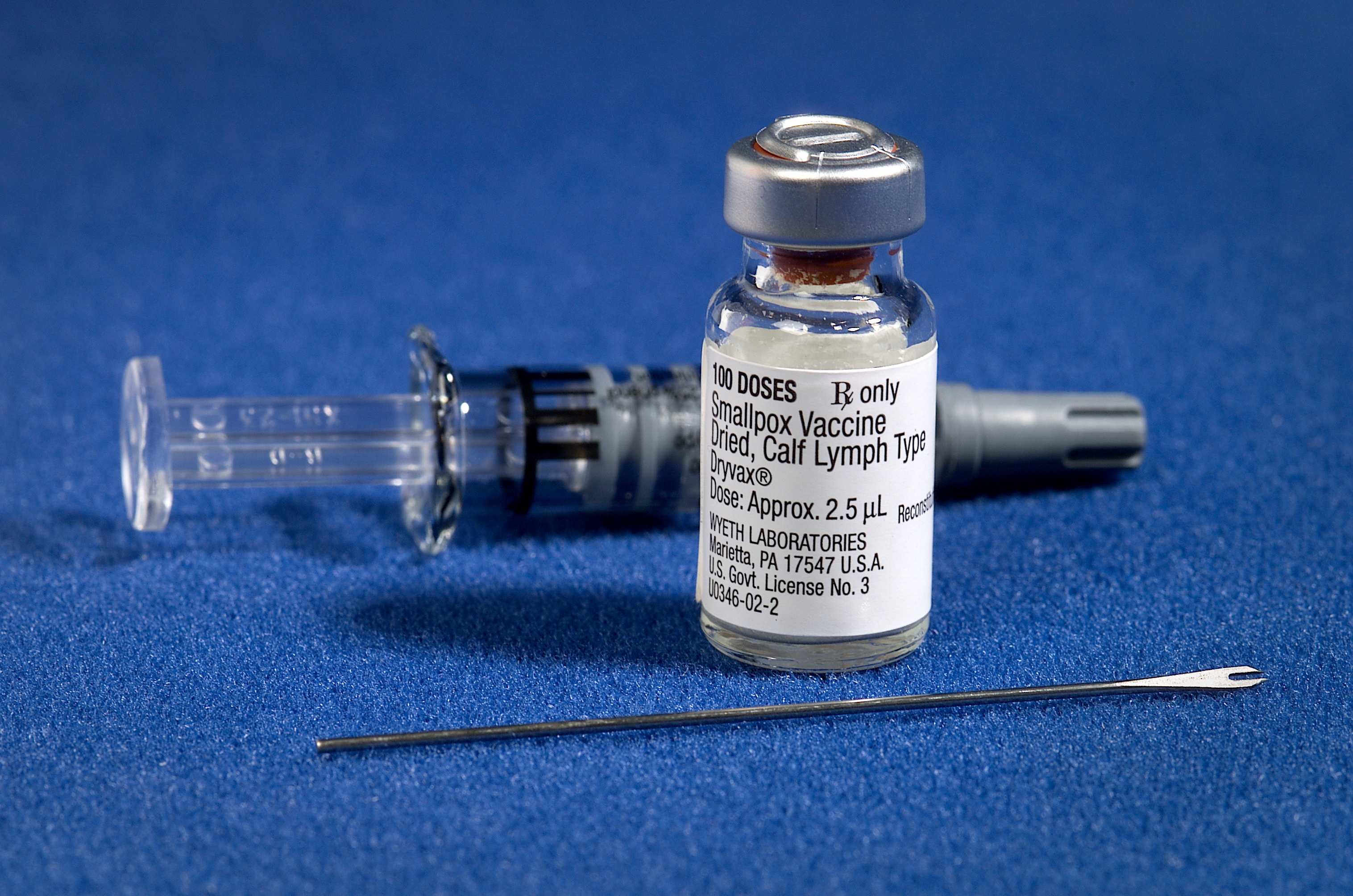
The concept of vaccination dates back to the 18th century, when Edward Jenner developed the first vaccine against smallpox, a disease that had ravaged communities for centuries, as documented by the WHO and the CDC. Since then, vaccines have been developed against a wide range of diseases, including polio, measles, and influenza, with the help of scientists like Jonas Salk and Maurice Hilleman, who worked with organizations like the National Institutes of Health (NIH) and the Bill and Melinda Gates Foundation. Today, vaccines are a crucial tool in preventing the spread of diseases, and have been widely adopted by healthcare systems around the world, including those in countries like the United States, where the CDC plays a key role in promoting vaccination, and the United Kingdom, where the National Health Service (NHS) provides vaccinations to its citizens.
🧬 How It Works
The development of vaccines involves a complex process of research and testing, with scientists like Dr. Anthony Fauci, the director of the National Institute of Allergy and Infectious Diseases (NIAID), and companies like Pfizer and Moderna, working together to identify and isolate the disease-causing microorganism, and then developing a vaccine that can stimulate the immune system to recognize and destroy it. This process can take many years, and requires the collaboration of experts from a wide range of fields, including microbiology, immunology, and epidemiology, as well as the support of organizations like the WHO, the CDC, and the European Medicines Agency (EMA). For example, the development of the COVID-19 vaccine involved a global effort, with scientists and researchers from institutions like the University of Oxford and the University of California, working together with companies like AstraZeneca and Johnson & Johnson.
🌎 Cultural Impact
Vaccines have had a profound impact on public health, with the WHO estimating that they have saved millions of lives over the past century, and have been instrumental in the eradication of diseases like smallpox and polio, as documented by the CDC and the WHO. They have also had a significant impact on the economy, with a study by the Bill and Melinda Gates Foundation finding that every dollar invested in vaccination generates a return of $16 in economic benefits, as reported by news outlets like The New York Times and Forbes. However, despite their many benefits, vaccines have also been the subject of controversy and misinformation, with some people questioning their safety and effectiveness, and others promoting anti-vaccination ideologies, as seen in the work of organizations like the Anti-Vaccination League and the National Vaccine Information Center (NVIC), which have been criticized by experts like Dr. Paul Offit and Dr. Peter Hotez.
🔮 Legacy & Future
As the world continues to grapple with the challenges of infectious disease, vaccines will play an increasingly important role in preventing the spread of diseases, and protecting public health, with scientists like Dr. Seth Berkley, the CEO of Gavi, the Vaccine Alliance, and companies like Sanofi and Merck, working together to develop new and innovative vaccines, such as mRNA vaccines and viral vector vaccines, as reported by news outlets like CNN and Bloomberg. For example, the development of the Ebola vaccine involved a collaborative effort between scientists, researchers, and healthcare workers, with the support of organizations like the WHO, the CDC, and the World Bank, and has been recognized as a major breakthrough in the fight against infectious disease, with awards like the Lasker-DeBakey Clinical Medical Research Award and the Prince Mahidol Award.
Key Facts
- Year
- 1796
- Origin
- England
- Category
- science
- Type
- concept
Frequently Asked Questions
What is a vaccine?
A vaccine is a biological preparation that provides active acquired immunity to a particular infectious or malignant disease.
How do vaccines work?
Vaccines work by stimulating the immune system to recognize and destroy disease-causing microorganisms.
Are vaccines safe?
Yes, vaccines have been widely studied and verified to be safe and effective, with a proven track record of preventing the spread of diseases, as documented by the WHO and the CDC.
What are the benefits of vaccination?
Vaccination can prevent the spread of diseases, protect public health, and have significant economic benefits, as reported by the Bill and Melinda Gates Foundation and the WHO.
What are the risks of not vaccinating?
Not vaccinating can lead to the spread of diseases, and put individuals and communities at risk of infection, as seen in the cases of measles and polio outbreaks, as reported by the CDC and the WHO.