
Contents
- 💧 What is the UN Water Conference?
- 🗓️ When and Where Does It Happen?
- 👥 Who Attends and Why?
- 📈 Key Outcomes and Commitments
- ⚖️ The Controversy Spectrum
- 💡 Vibepedia Vibe Score & Perspective Breakdown
- 🗺️ Navigating the Conference Landscape
- 💰 Funding and Financial Commitments
- ⭐ What People Say (Vibepedia Consensus)
- 🚀 The Future of Global Water Governance
- Frequently Asked Questions
- Related Topics
Overview
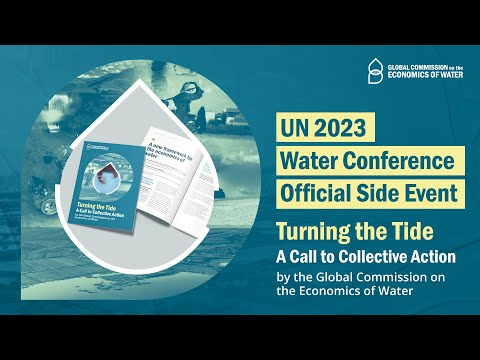
The UN Water Conference, officially the 2023 UN Conference on the Midterm Comprehensive Review of the Implementation of the Objectives of the International Decade for Action 'Water for Sustainable Development' 2018–2028, served as a critical global stocktake on water. Held in March 2023, it was the first UN conference on water in nearly 50 years, bringing together heads of state, ministers, and stakeholders to assess progress and commit to accelerating action on water-related challenges. The conference aimed to galvanize political will and mobilize resources to achieve the Sustainable Development Goal 6 (SDG 6) – ensuring availability and sustainable management of water and sanitation for all – and other water-related targets. Its outcomes, including the Water Action Agenda, represent a significant, albeit voluntary, push towards addressing the global water crisis.
💧 What is the UN Water Conference?
The UN Water Conference is the premier global summit dedicated to addressing the world's most pressing water challenges. Convened by the UN, it serves as a critical platform for governments, international organizations, civil society, the private sector, and scientific communities to convene, share knowledge, and forge commitments for sustainable water management. Unlike more specialized technical meetings, this conference aims for high-level political engagement, seeking to elevate water security to the forefront of the global agenda. It's where the grand pronouncements on water are made, and where the pressure for tangible action is most acutely felt.
🗓️ When and Where Does It Happen?
The UN Water Conference is not a regularly scheduled event like the COP meetings. Instead, it's convened periodically, with the most recent significant iteration being the 2023 UN Water Conference, held in March 2023 at the UN Headquarters in New York. This timing was crucial, marking the first major UN conference on water in 46 years, since the 1977 Mar del Plata Conference. Future dates and locations are determined by UN General Assembly resolutions, often influenced by the urgency of global water crises and the momentum generated by previous gatherings.
👥 Who Attends and Why?
Attendance at the UN Water Conference is broad and intentionally inclusive. Heads of state, ministers of environment and water, UN agency representatives, delegates from member states, and high-level officials from intergovernmental organizations form the core diplomatic contingent. Crucially, it also draws significant participation from NGOs, indigenous peoples' representatives, youth groups, scientists, and business leaders. The goal is to foster a multi-stakeholder dialogue, ensuring that diverse perspectives, from the grassroots to the global policy level, inform the outcomes.
📈 Key Outcomes and Commitments
The primary aim of the UN Water Conference is to drive progress on SDG 6, which calls for ensuring availability and sustainable management of water and sanitation for all. Key outcomes typically include the adoption of a political declaration, the mobilization of financial resources, and the announcement of voluntary commitments from various stakeholders. The 2023 Conference, for instance, resulted in the adoption of the 'Our Common Agenda' policy brief and saw over 700 voluntary commitments pledged, ranging from infrastructure projects to policy reforms.
⚖️ The Controversy Spectrum
The Controversy Spectrum for the UN Water Conference is moderate to high. While there's broad consensus on the need for water action, significant debates erupt over how to achieve it. Issues like the role of private sector involvement in water management, the equitable distribution of transboundary water resources, and the financing mechanisms for water infrastructure in developing nations are perennial points of contention. Critics often point to the gap between ambitious pledges and actual implementation, questioning the enforceability of voluntary commitments and the conference's ability to compel meaningful change from reluctant states.
💡 Vibepedia Vibe Score & Perspective Breakdown
The Vibepedia Vibe Score for the UN Water Conference hovers around a 65/100. This reflects a high level of global importance and a genuine, albeit often frustrated, energy for progress.
Perspective Breakdown: * Optimistic (70%): Sees the conference as an indispensable forum for raising awareness, fostering collaboration, and setting global targets, believing that sustained diplomatic pressure will eventually yield results. * Neutral (20%): Acknowledges its role as a crucial meeting point but remains pragmatic about the slow pace of change and the inherent difficulties in translating global agreements into local action. * Pessimistic (10%): Views the conference as largely performative, characterized by grand speeches and insufficient concrete action, with voluntary commitments often failing to materialize into tangible improvements for those most affected by water scarcity.
💰 Funding and Financial Commitments
Funding is a central, and often contentious, aspect of the UN Water Conference. The conference aims to mobilize significant financial resources to support water-related projects and achieve Sustainable Development Goal 6. This includes commitments from national governments, multilateral development banks, and private sector actors. The Green Climate Fund and other climate finance mechanisms are increasingly being directed towards water adaptation and resilience projects. However, a persistent challenge is the massive funding gap, estimated to be hundreds of billions of dollars annually, required to meet global water and sanitation goals.
⭐ What People Say (Vibepedia Consensus)
Vibepedia's consensus on the UN Water Conference is that it's an essential, albeit imperfect, mechanism for global water diplomacy. Users highlight its unparalleled ability to convene diverse stakeholders and set ambitious agendas. However, there's a recurring theme of disappointment regarding the implementation gap between pledges and on-the-ground realities. The 2023 event was widely reported as a step forward in re-energizing the global water dialogue, but the long-term impact hinges on the follow-through of the hundreds of voluntary commitments made.
🚀 The Future of Global Water Governance
The future of global water governance, as shaped by the UN Water Conference, is at a critical juncture. The increasing frequency and intensity of water-related disasters, exacerbated by climate change, demand more robust and binding international cooperation. While the conference has successfully elevated water's profile, the next frontier involves strengthening accountability mechanisms for commitments and exploring innovative financing models. The question remains: can the momentum generated by these high-level dialogues translate into the systemic changes needed to ensure water security for all by 2030?
Key Facts
- Year
- 2023
- Origin
- United Nations
- Category
- International Diplomacy & Environmental Policy
- Type
- Conference
Frequently Asked Questions
How often is the UN Water Conference held?
The UN Water Conference is not held on a fixed schedule. It is convened periodically by the UN General Assembly when deemed necessary to address critical global water issues. The most recent major conference was in March 2023, the first in 46 years, indicating that these events are significant, high-level gatherings rather than routine meetings.
What is the main goal of the UN Water Conference?
The primary goal is to accelerate progress towards achieving SDG 6 (clean water and sanitation for all) and to address the global water crisis. It aims to foster political will, mobilize resources, promote innovative solutions, and encourage multi-stakeholder cooperation for sustainable water management.
Who can attend the UN Water Conference?
Attendance is open to representatives of UN Member States, intergovernmental organizations, and accredited observers from civil society, NGOs, the private sector, and academic institutions. High-level participation typically includes heads of state, ministers, and senior officials.
What are 'Voluntary Commitments' made at the conference?
Voluntary Commitments are pledges made by governments, organizations, and other stakeholders to take specific actions to advance water security and achieve SDG 6. These can range from policy reforms and infrastructure investments to new partnerships and funding initiatives. The 2023 Conference saw over 700 such commitments announced.
How does the UN Water Conference differ from the UN Climate Change Conference (COP)?
While both are major UN-led environmental summits, the UN Water Conference specifically focuses on water-related issues, including access, sanitation, management, and security. The COP focuses primarily on climate change mitigation, adaptation, and finance. However, there is significant overlap, as climate change profoundly impacts water resources, making water a critical component of climate action.
Where can I find information on the outcomes of the latest UN Water Conference?
Official outcomes, including declarations, summaries of dialogues, and databases of voluntary commitments, are typically published on the official website of the specific UN Water Conference. For the 2023 event, this information is available through the UN-Water portal and the conference's dedicated website.