
Contents
- 🌊 Introduction to Tsunamis
- 📊 Tsunami Statistics and Trends
- 🌴 Regional Tsunami Histories
- 🏗️ Tsunami Warning Systems and Mitigation
- 🌎 Global Response and Cooperation
- 📚 Tsunami Research and Science
- 🌟 Notable Tsunamis in History
- 👥 Key Figures in Tsunami Research
- 📊 Tsunami Economics and Policy
- 🔮 Future Directions in Tsunami Research
- Frequently Asked Questions
- References
- Related Topics
Overview
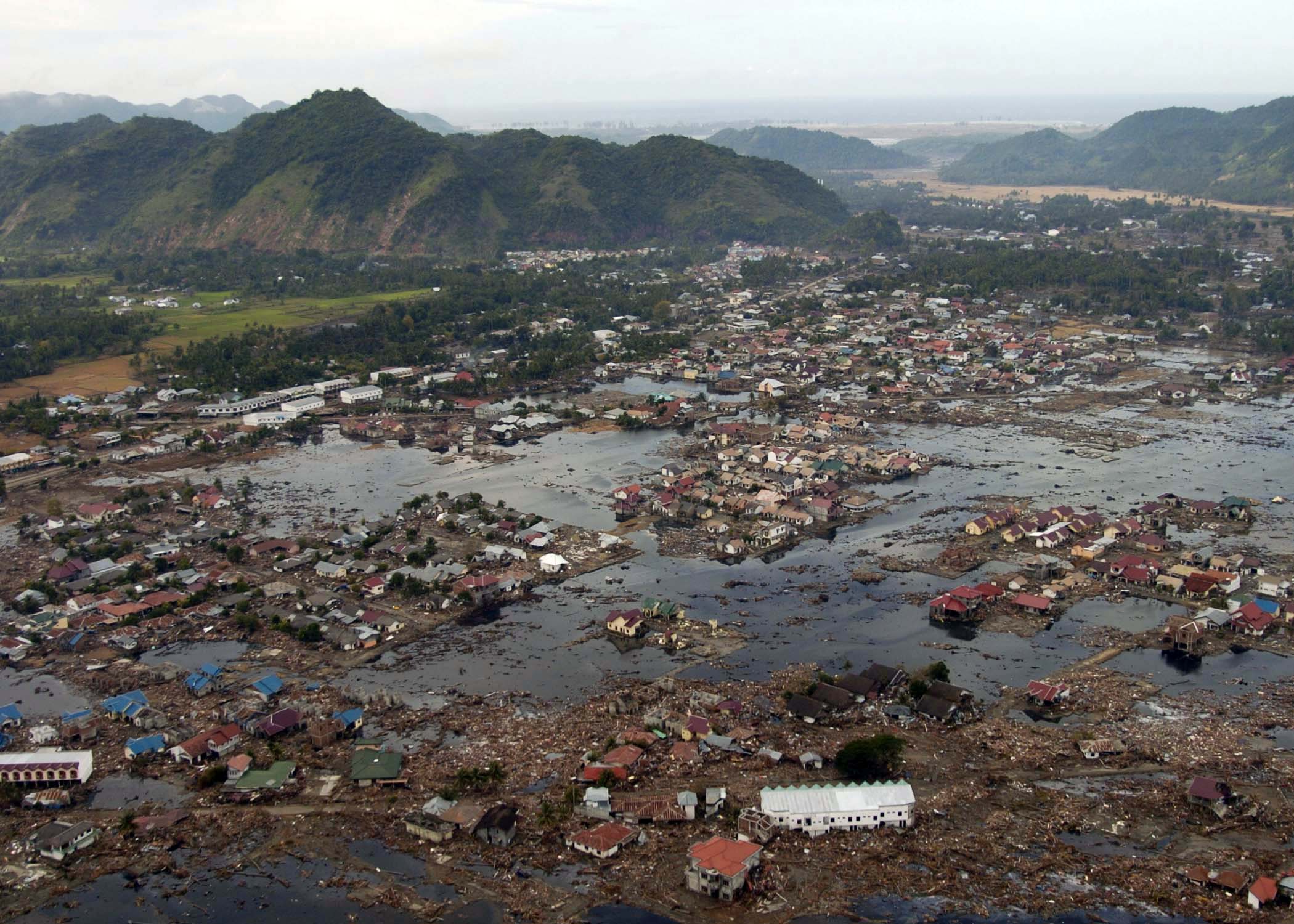
The Tsunami History Project is an ongoing effort to document and understand the impact of tsunamis on communities around the world. From the 2004 Indian Ocean earthquake and tsunami to the 2011 Tohoku earthquake and tsunami, tsunamis have left an indelible mark on human history. With a focus on the scientific, social, and cultural aspects of tsunamis, this project aims to provide a comprehensive understanding of these natural disasters and their effects on global populations. By examining the historical record of tsunamis, researchers can better understand the complexities of these events and work towards developing more effective warning systems and mitigation strategies. The project has already shed light on the importance of international cooperation and disaster preparedness, as seen in the response to the 2018 Sulawesi earthquake and tsunami in Indonesia. As the project continues to grow, it is likely to have a significant impact on our understanding of tsunamis and their role in shaping human history.
🌊 Introduction to Tsunamis
The study of tsunamis has a rich history, with early warnings of tsunami danger dating back to ancient civilizations such as the Ancient Greeks and Ancient Romans. However, it wasn't until the 20th century that scientists began to understand the mechanisms behind tsunamis, with the work of Harold Jeffreys and Inoge Ogawa laying the foundation for modern tsunami research. Today, researchers use advanced technologies such as GPS and satellite imaging to monitor ocean activity and provide early warnings of potential tsunamis.
📊 Tsunami Statistics and Trends
Tsunami statistics are complex and varied. Researchers are working to develop more accurate models of tsunami behavior, using data from sources such as the United States Geological Survey (USGS) and the International Tsunami Information Center.
🌴 Regional Tsunami Histories
Regional tsunami histories are complex and varied, with different regions experiencing unique challenges and opportunities. In the Pacific, the Hawaiian Islands are particularly vulnerable to tsunamis, with the 1946 Aleutian Islands earthquake and tsunami causing widespread destruction. Researchers are working to develop more effective warning systems and mitigation strategies for these regions, using data from sources such as the Indian National Centre for Ocean Information Services and the Pacific Tsunami Warning Center.
🏗️ Tsunami Warning Systems and Mitigation
Tsunami warning systems and mitigation strategies are critical to reducing the impact of these events. Researchers are exploring new technologies, such as artificial intelligence and machine learning, to improve the accuracy and speed of tsunami warnings.
🌎 Global Response and Cooperation
Global response and cooperation are essential in the face of tsunamis. The 2018 Sulawesi earthquake and tsunami in Indonesia, for example, saw a coordinated response from international agencies. The Indonesian National Disaster Management Authority and the United Nations Office for the Coordination of Humanitarian Affairs worked together to provide aid and support to affected communities.
📚 Tsunami Research and Science
Tsunami research and science are continually evolving, with new technologies and methodologies being developed to better understand and predict these events. Researchers are using advanced computer models, such as the Tsunami Model developed by the University of Hawaii, to simulate tsunami behavior and predict potential impacts. The National Science Foundation and the National Oceanic and Atmospheric Administration are also supporting research into tsunami science, with a focus on improving warning systems and mitigation strategies.
🌟 Notable Tsunamis in History
Notable tsunamis in history include the 2004 Indian Ocean earthquake and tsunami, the 2011 Tohoku earthquake and tsunami, and the 1952 Kamchatka earthquake and tsunami. Each of these events has provided valuable insights into the mechanisms and impacts of tsunamis, and has informed the development of warning systems and mitigation strategies. Researchers are also studying the cultural and social impacts of tsunamis, with a focus on understanding how communities respond to and recover from these events.
👥 Key Figures in Tsunami Research
Key figures in tsunami research include Harold Jeffreys, Inoge Ogawa, and Kenji Satake, who have made significant contributions to our understanding of tsunamis and their behavior. Today, researchers such as Thomas Heaton and Vasily Titov are continuing this work, using advanced technologies and methodologies to improve our understanding of tsunamis and develop more effective warning systems and mitigation strategies.
📊 Tsunami Economics and Policy
Tsunami economics and policy are critical areas of research, with a focus on understanding the economic and social impacts of tsunamis and developing effective policies to mitigate these effects. The World Bank and the United Nations Development Programme are supporting research into tsunami economics and policy, with a focus on developing sustainable and resilient communities. Researchers are also exploring the role of insurance and disaster risk reduction in mitigating the impacts of tsunamis.
🔮 Future Directions in Tsunami Research
Future directions in tsunami research include the development of more accurate and effective warning systems, the improvement of mitigation strategies, and the exploration of new technologies and methodologies. The National Science Foundation and the National Oceanic and Atmospheric Administration are supporting research into these areas, with a focus on improving our understanding of tsunamis and developing more effective strategies for mitigating their impacts.
Key Facts
- Category
- history
- Type
- topic
Frequently Asked Questions
What is a tsunami?
A tsunami is a series of ocean waves that are caused by the displacement of a large volume of water.