
Contents
- 👗 Introduction to Tryon
- 💻 The History of Virtual Fitting
- 📈 Evolution of Tryon Technology
- 👖 Virtual Fitting in Fashion
- 🛍️ Benefits of Tryon for Consumers
- 📊 Benefits of Tryon for Businesses
- 🤔 Challenges and Limitations of Tryon
- 📱 Future of Tryon and Augmented Reality
- 👥 Impact on the Fashion Industry
- 📊 Tryon and E-commerce
- 📈 The Future of Virtual Fitting
- Frequently Asked Questions
- Related Topics
Overview
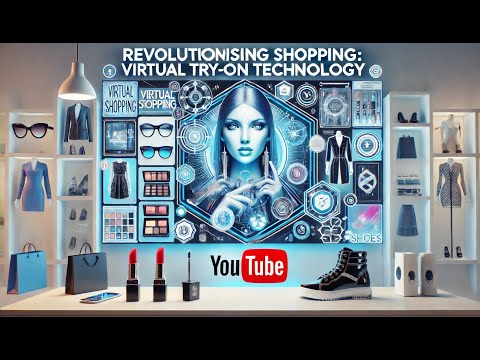
Tryon, a technology that enables virtual fitting, has been gaining traction in the fashion industry. With the help of augmented reality (AR) and artificial intelligence (AI), tryon allows customers to try on clothes virtually, reducing the need for physical prototypes and minimizing waste. According to a report by McKinsey, the global fashion industry produces over 12% of global greenhouse gas emissions, with a significant portion attributed to the production and distribution of physical prototypes. Tryon has the potential to disrupt this process, with companies like Gucci and Prada already incorporating virtual fitting into their design and production processes. As of 2022, the virtual fitting market is projected to reach $10.3 billion by 2025, with a growth rate of 20.5% per annum. The impact of tryon on the fashion industry will be significant, with the potential to reduce waste, increase efficiency, and provide a more sustainable and customer-centric experience.
👗 Introduction to Tryon
The concept of Tryon, or virtual fitting, has been around for several years, but it has only recently started to gain traction in the fashion industry. Fashion industry experts believe that Tryon is the future of fashion, allowing consumers to try on clothes virtually and reducing the need for physical fittings. Virtual reality technology has made it possible to create immersive and interactive experiences for consumers. With the help of Artificial intelligence, Tryon can now suggest clothing items based on a consumer's body type and preferences. The use of Machine learning algorithms has also improved the accuracy of virtual fittings.
💻 The History of Virtual Fitting
The history of virtual fitting dates back to the early 2000s, when the first virtual try-on systems were developed. Computer vision technology was used to create 3D models of clothing items, which could be superimposed on a consumer's body. However, these early systems were limited in their capabilities and were not widely adopted. It wasn't until the development of Augmented reality technology that virtual fitting started to gain popularity. Fashion technology companies began to invest in Tryon, and the first virtual try-on apps were launched.
📈 Evolution of Tryon Technology
The evolution of Tryon technology has been rapid in recent years. 3D modeling software has become more advanced, allowing for the creation of highly realistic and detailed clothing models. Image processing algorithms have also improved, enabling the accurate detection of a consumer's body shape and size. The use of Cloud computing has made it possible to process large amounts of data and provide fast and seamless virtual fittings. Internet of things devices have also been integrated into Tryon systems, allowing for the creation of immersive and interactive experiences.
👖 Virtual Fitting in Fashion
Virtual fitting has revolutionized the way consumers shop for clothes. Online shopping has become more popular, and Tryon has made it possible for consumers to try on clothes virtually before making a purchase. Fashion designers can now create virtual clothing items and showcase them on their websites or social media platforms. Fashion brands can also use Tryon to create immersive and interactive experiences for their customers. The use of Social media has also been integrated into Tryon, allowing consumers to share their virtual try-on experiences with friends and family.
🛍️ Benefits of Tryon for Consumers
The benefits of Tryon for consumers are numerous. Convenience is one of the main advantages, as consumers can try on clothes from the comfort of their own homes. Time saving is another benefit, as consumers can quickly and easily try on multiple clothing items without having to physically visit a store. Sustainability is also a key benefit, as Tryon reduces the need for physical fittings and returns. Personalization is also possible with Tryon, as consumers can receive personalized recommendations based on their body type and preferences.
📊 Benefits of Tryon for Businesses
The benefits of Tryon for businesses are also significant. Cost reduction is one of the main advantages, as businesses can reduce the need for physical fittings and returns. Increased conversions is another benefit, as consumers are more likely to make a purchase after trying on clothes virtually. Improved customer experience is also possible with Tryon, as consumers can receive personalized recommendations and immersive experiences. Data analytics can also be used to track consumer behavior and preferences, providing valuable insights for businesses.
🤔 Challenges and Limitations of Tryon
Despite the many benefits of Tryon, there are also some challenges and limitations. Technical issues can occur, such as glitches or slow loading times. Accuracy is also a concern, as virtual fittings may not always be accurate. Limited availability is another limitation, as not all clothing items are available for virtual try-on. High cost is also a barrier, as Tryon technology can be expensive to implement and maintain.
📱 Future of Tryon and Augmented Reality
The future of Tryon and augmented reality is exciting and rapidly evolving. Extended reality technology is being developed, which will enable even more immersive and interactive experiences. 5G networks will also provide faster and more reliable connections, enabling seamless virtual fittings. Artificial intelligence will continue to play a key role in Tryon, providing personalized recommendations and improving the accuracy of virtual fittings.
👥 Impact on the Fashion Industry
The impact of Tryon on the fashion industry will be significant. Fashion trends will be influenced by Tryon, as consumers will be able to try on clothes virtually and provide feedback to designers. Fashion design will also be affected, as designers will need to create clothing items that are compatible with Tryon technology. Fashion marketing will also change, as businesses will need to adapt to the new virtual try-on landscape.
📊 Tryon and E-commerce
Tryon and e-commerce are closely linked, as consumers can try on clothes virtually before making a purchase. E-commerce platforms are integrating Tryon technology into their websites and apps, providing consumers with a seamless and immersive shopping experience. Payment processing is also being integrated into Tryon systems, allowing consumers to make purchases directly from the virtual try-on interface.
📈 The Future of Virtual Fitting
The future of virtual fitting is exciting and rapidly evolving. Virtual reality technology will continue to improve, enabling even more immersive and interactive experiences. Augmented reality technology will also play a key role, providing consumers with a more realistic and engaging try-on experience. Artificial intelligence will continue to improve the accuracy and personalization of virtual fittings, providing consumers with a more tailored and enjoyable shopping experience.
Key Facts
- Year
- 2015
- Origin
- United States
- Category
- Technology, Fashion
- Type
- Technology
Frequently Asked Questions
What is Tryon?
Tryon is a virtual fitting technology that allows consumers to try on clothes virtually. It uses Artificial intelligence and Machine learning algorithms to provide personalized recommendations and accurate virtual fittings. Tryon is also known as virtual try-on or virtual fitting.
How does Tryon work?
Tryon works by using Computer vision technology to create 3D models of clothing items. These models are then superimposed on a consumer's body, allowing them to see how the clothes would fit. Image processing algorithms are used to detect the consumer's body shape and size, providing an accurate virtual fitting.
What are the benefits of Tryon?
The benefits of Tryon include Convenience, Time saving, Sustainability, and Personalization. Tryon also provides businesses with Cost reduction, Increased conversions, and Improved customer experience.
What are the challenges and limitations of Tryon?
The challenges and limitations of Tryon include Technical issues, Accuracy, Limited availability, and High cost. Tryon technology can be expensive to implement and maintain, and not all clothing items are available for virtual try-on.
What is the future of Tryon?
The future of Tryon is exciting and rapidly evolving. Extended reality technology will enable even more immersive and interactive experiences. 5G networks will provide faster and more reliable connections, enabling seamless virtual fittings. Artificial intelligence will continue to play a key role in Tryon, providing personalized recommendations and improving the accuracy of virtual fittings.
How will Tryon impact the fashion industry?
Tryon will have a significant impact on the fashion industry. Fashion trends will be influenced by Tryon, as consumers will be able to try on clothes virtually and provide feedback to designers. Fashion design will also be affected, as designers will need to create clothing items that are compatible with Tryon technology.
What is the relationship between Tryon and e-commerce?
Tryon and e-commerce are closely linked, as consumers can try on clothes virtually before making a purchase. E-commerce platforms are integrating Tryon technology into their websites and apps, providing consumers with a seamless and immersive shopping experience.