
Contents
- 🎵 Origins & History
- ⚙️ How It Works
- 📊 Key Facts & Numbers
- 👥 Key People & Organizations
- 🌍 Cultural Impact & Influence
- ⚡ Current State & Latest Developments
- 🤔 Controversies & Debates
- 🔮 Future Outlook & Predictions
- 💡 Practical Applications
- 📚 Related Topics & Deeper Reading
- Frequently Asked Questions
- References
- Related Topics
Overview
Traffic control refers to the systems, procedures, and technologies used to manage and regulate the flow of traffic, whether it's air, road, or maritime. The primary goal of traffic control is to prevent accidents, reduce congestion, and ensure the safe and efficient movement of people and goods. With the increasing demand for transportation, traffic control has become a critical component of modern infrastructure, relying on advanced technologies such as radar, sensors, and artificial intelligence to optimize traffic flow. According to the Federal Aviation Administration (FAA), there are over 44,000 flights per day in the United States alone, highlighting the need for effective traffic control systems. The World Health Organization (WHO) estimates that approximately 1.35 million people die every year as a result of road traffic accidents, emphasizing the importance of traffic control in saving lives. As the global population continues to urbanize, the importance of traffic control will only continue to grow, with the International Air Transport Association (IATA) predicting that the number of air passengers will double by 2037.
🎵 Origins & History
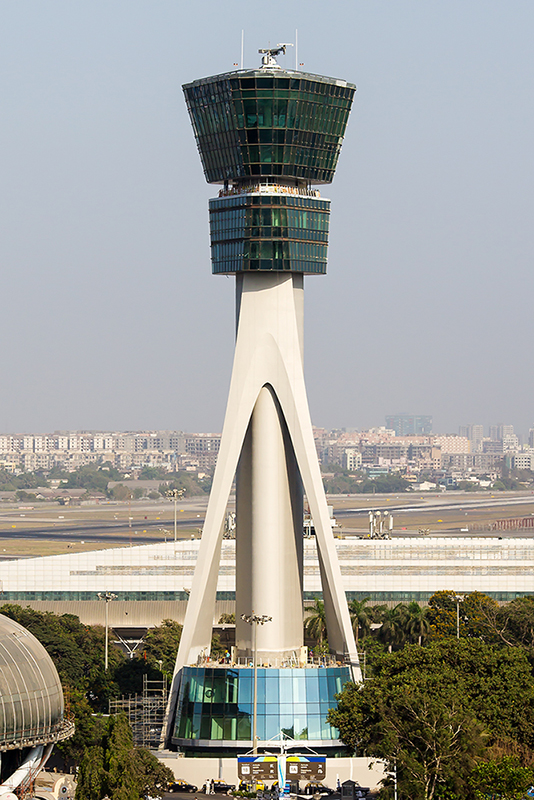
The concept of traffic control dates back to the early 20th century, when the first air traffic control systems were developed. The first air traffic control tower was established at Cleveland Hopkins International Airport in 1930, marking the beginning of a new era in aviation. The development of radar technology during World War II further enhanced the capabilities of air traffic control, enabling controllers to track aircraft more accurately. Today, traffic control systems are used in various modes of transportation, including air, road, and maritime. For example, the Port of Rotterdam uses advanced traffic control systems to manage the flow of ships and cargo, while the New York City Department of Transportation uses intelligent transportation systems to optimize traffic flow on the city's roads.
⚙️ How It Works
Traffic control systems rely on a combination of technologies, including radar, sensors, and communication systems. Air traffic control, for instance, uses radar to track the location of aircraft and communicate with pilots via radio. Road traffic control, on the other hand, uses sensors and cameras to monitor traffic flow and optimize traffic signal timing. Maritime traffic control uses a combination of radar, GPS, and communication systems to track the movement of ships and prevent collisions. The use of artificial intelligence and machine learning is also becoming increasingly prevalent in traffic control, with companies like Google and Microsoft developing AI-powered traffic management systems.
📊 Key Facts & Numbers
The numbers are staggering: according to the Federal Aviation Administration (FAA), there are over 44,000 flights per day in the United States alone. The World Health Organization (WHO) estimates that approximately 1.35 million people die every year as a result of road traffic accidents. The economic costs of traffic congestion are also significant, with the Texans for Toll-Free Highways estimating that traffic congestion costs the US economy over $160 billion per year. The International Air Transport Association (IATA) predicts that the number of air passengers will double by 2037, highlighting the need for more efficient traffic control systems.
👥 Key People & Organizations
Key people and organizations in the field of traffic control include the Federal Aviation Administration (FAA), the International Civil Aviation Organization (ICAO), and the World Road Association (PIARC). These organizations play a critical role in developing and implementing traffic control systems, as well as providing training and certification for traffic controllers. Companies like Lockheed Martin and Northrop Grumman are also major players in the development of traffic control systems, with a focus on advanced technologies like unmanned aerial vehicles (UAVs).
🌍 Cultural Impact & Influence
Traffic control has a significant impact on culture and society, influencing the way we travel, work, and live. The development of air traffic control, for example, has enabled the growth of international air travel, connecting people and economies around the world. Road traffic control has also had a significant impact on urban planning, with the design of roads and highways influencing the development of cities. The use of traffic control systems has also raised important questions about privacy and surveillance, with the use of facial recognition technology in traffic management systems sparking controversy. The American Civil Liberties Union (ACLU) has raised concerns about the use of facial recognition technology in traffic control, citing potential risks to individual privacy and civil liberties.
⚡ Current State & Latest Developments
The current state of traffic control is one of rapid evolution, with advances in technology and changes in transportation patterns driving innovation. The use of drones and unmanned aerial vehicles (UAVs) is becoming increasingly prevalent, with companies like Amazon and UPS using UAVs for package delivery. The development of autonomous vehicles is also expected to have a significant impact on traffic control, with companies like Waymo and Tesla leading the charge. The National Transportation Safety Board (NTSB) has highlighted the need for more research on the safety implications of autonomous vehicles, citing concerns about the potential risks to human safety.
🤔 Controversies & Debates
Despite the many benefits of traffic control, there are also controversies and debates surrounding its implementation. One of the main concerns is the potential for job displacement, as automation and AI replace human traffic controllers. There are also concerns about the impact of traffic control on the environment, with the use of radar and other technologies contributing to greenhouse gas emissions. The Sierra Club has raised concerns about the environmental impact of air traffic control, citing the need for more sustainable aviation practices. The National Aeronautics and Space Administration (NASA) is working to develop more sustainable aviation technologies, including the use of electric vehicles and sustainable aviation fuels.
🔮 Future Outlook & Predictions
Looking to the future, traffic control is expected to become even more sophisticated, with the use of AI, machine learning, and other advanced technologies driving innovation. The development of smart cities and intelligent transportation systems is also expected to have a significant impact on traffic control, enabling real-time monitoring and optimization of traffic flow. The Smart Cities Council has highlighted the potential benefits of smart cities, including improved traffic management and reduced congestion. The World Economic Forum has also emphasized the importance of investing in smart cities, citing the need for more sustainable and resilient urban infrastructure.
💡 Practical Applications
Traffic control has many practical applications, from managing air traffic to optimizing road traffic flow. The use of traffic control systems can help reduce congestion, improve safety, and increase efficiency. For example, the Google Maps app uses traffic control data to provide real-time traffic updates and optimize route planning. The Waze app also uses traffic control data to provide real-time traffic updates and enable community-driven traffic reporting. The Uber company uses traffic control data to optimize route planning and reduce congestion, citing the need for more efficient transportation systems.
Key Facts
- Year
- 1930
- Origin
- United States
- Category
- technology
- Type
- concept
Frequently Asked Questions
What is traffic control?
Traffic control refers to the systems, procedures, and technologies used to manage and regulate the flow of traffic, whether it's air, road, or maritime. The primary goal of traffic control is to prevent accidents, reduce congestion, and ensure the safe and efficient movement of people and goods. According to the Federal Aviation Administration (FAA), there are over 44,000 flights per day in the United States alone, highlighting the need for effective traffic control systems.
How does air traffic control work?
Air traffic control uses a combination of radar, sensors, and communication systems to track the location of aircraft and communicate with pilots. Controllers use this information to prevent collisions, organize and expedite the flow of air traffic, and provide information and other support for pilots. The International Civil Aviation Organization (ICAO) provides guidelines and standards for air traffic control, emphasizing the need for safe and efficient air traffic management.
What is the impact of traffic control on the environment?
The impact of traffic control on the environment is a topic of ongoing debate. While traffic control can help reduce congestion and improve safety, it can also contribute to greenhouse gas emissions and other environmental problems. The use of radar and other technologies can contribute to emissions, and the construction of roads and highways can lead to habitat destruction and other environmental impacts. The Sierra Club has raised concerns about the environmental impact of air traffic control, citing the need for more sustainable aviation practices.
How is traffic control evolving?
Traffic control is evolving rapidly, with advances in technology and changes in transportation patterns driving innovation. The use of AI, machine learning, and other advanced technologies is becoming increasingly prevalent, enabling real-time monitoring and optimization of traffic flow. The development of smart cities and intelligent transportation systems is also expected to have a significant impact on traffic control, enabling more efficient and sustainable transportation systems. The Smart Cities Council has highlighted the potential benefits of smart cities, including improved traffic management and reduced congestion.
What are the benefits of traffic control?
The benefits of traffic control are numerous, including improved safety, reduced congestion, and increased efficiency. Traffic control can help prevent accidents, reduce travel times, and improve the overall quality of life for commuters. The use of traffic control systems can also help reduce the economic costs of congestion, which can be significant. The Texans for Toll-Free Highways estimates that traffic congestion costs the US economy over $160 billion per year.
What are the challenges facing traffic control?
The challenges facing traffic control are numerous, including the need for more advanced technologies, the impact of climate change, and the growing demand for transportation. The use of AI and machine learning can help address some of these challenges, but there are also concerns about job displacement and the environmental impact of traffic control. The National Transportation Safety Board (NTSB) has highlighted the need for more research on the safety implications of autonomous vehicles, citing concerns about the potential risks to human safety.
How is traffic control related to other fields?
Traffic control is related to a number of other fields, including transportation engineering, urban planning, and environmental science. The use of traffic control systems can help improve the efficiency and sustainability of transportation systems, while also reducing the environmental impact of transportation. The World Road Association (PIARC) has highlighted the importance of integrating traffic control with other modes of transportation, including public transportation and pedestrian and cycling infrastructure.