
Contents
Overview
The genesis of the modern trade show can be traced back to the medieval European fairs, serving as crucial hubs for commerce and exchange. These early markets facilitated the movement of goods and ideas across vast distances, laying the groundwork for more specialized exhibitions. The Industrial Revolution in the 19th century catalyzed their evolution, with events like the Great Exhibition of 1851 in London showcasing industrial might and technological advancements to a global audience. Post-World War II, the proliferation of new industries and the rise of corporate marketing saw trade shows become indispensable tools for business-to-business (B2B) engagement, with organizations like the American Chamber of Commerce actively promoting their development.
⚙️ How It Works
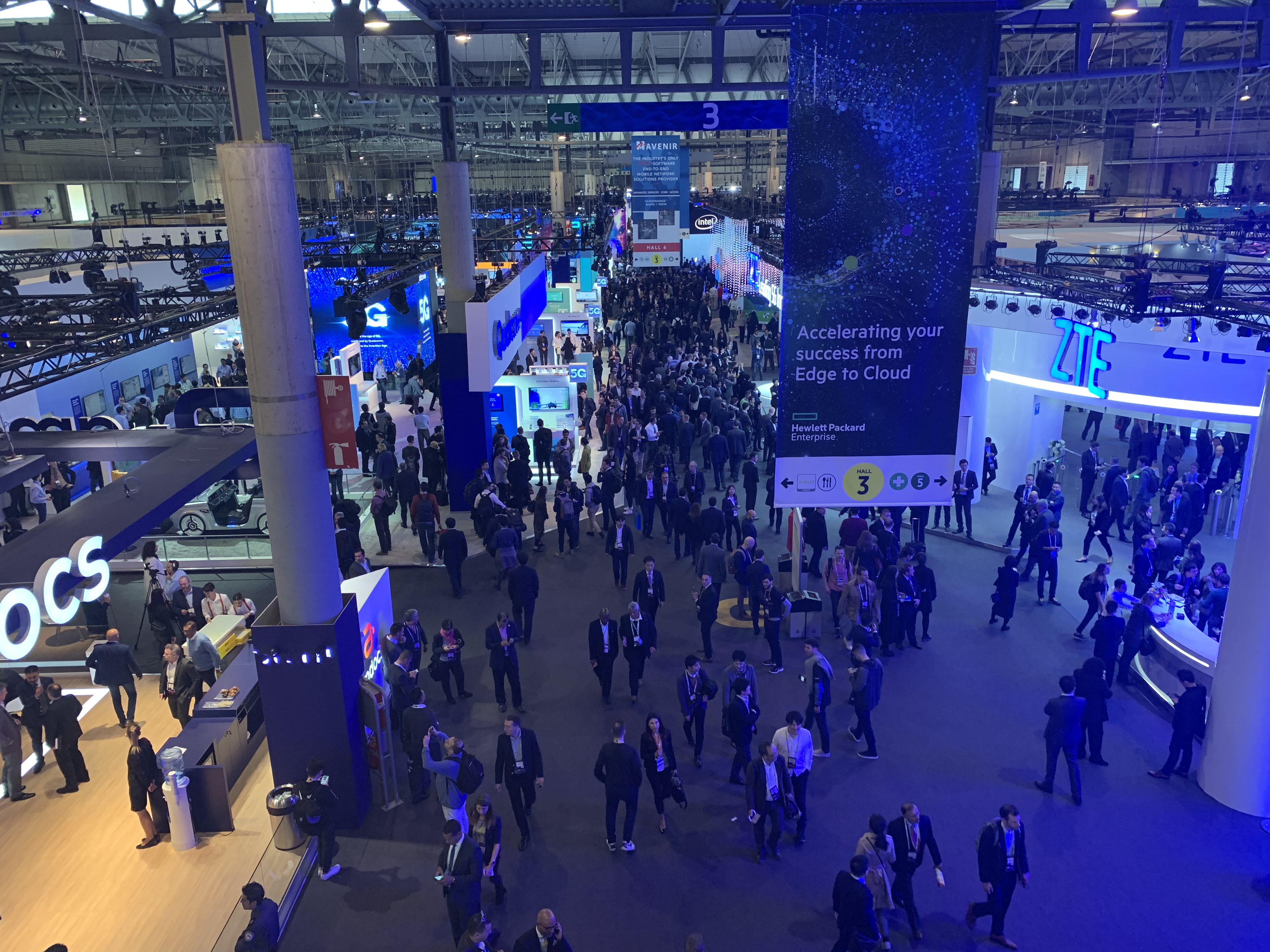
At their core, trade shows function as temporary, highly concentrated marketplaces. Companies rent booth space within a convention center or exhibition hall, designing elaborate displays to showcase their offerings. Attendees, typically buyers, distributors, potential partners, and media, navigate the aisles, collecting information, attending product demonstrations, and engaging in face-to-face meetings. Event organizers manage logistics, marketing, and attendee registration, often employing sophisticated event management software. The success of a trade show hinges on attracting the right mix of exhibitors and qualified attendees, fostering an environment conducive to networking and deal-making, a principle well-understood by major players like Reed Exhibitions.
📊 Key Facts & Numbers
The global trade show industry is a colossal economic force. In the United States alone, more than 10,000 trade shows are held each year, attracting millions of exhibitors and attendees. For instance, the Consumer Electronics Show in Las Vegas typically hosts over 4,500 exhibitors and draws more than 170,000 attendees, generating an estimated $10 billion in economic impact for the region. The average cost for an exhibitor to participate can range from $10,000 to over $1 million, depending on booth size, location, and marketing efforts, with ROI often measured by leads generated and deals closed.
👥 Key People & Organizations
Numerous individuals and organizations have shaped the trade show landscape. P.T. Barnum, though more known for his circus, understood the power of spectacle and exhibition, influencing the theatricality of early shows. In the modern era, figures like David Schwartz, former CEO of Reed Exhibitions, have overseen massive portfolios of global events. Organizations such as the Center for Exhibition Industry Research (CEIR) provide critical data and insights into the sector's performance. Major exhibition organizers like GL Events and Informa PLC manage vast networks of trade fairs across diverse industries.
🌍 Cultural Impact & Influence
Trade shows have profoundly influenced business culture and product development. They serve as incubators for innovation, where nascent technologies are often unveiled to the public for the first time, such as the early demonstrations of virtual reality at tech expos. The competitive pressure at these events compels companies to constantly innovate and refine their offerings, driving industry standards upward. Furthermore, the face-to-face interactions fostered at trade shows build crucial relationships and trust, a dynamic that digital communication often struggles to replicate, impacting everything from supply chain negotiations to brand perception. The sheer visibility at events like Mobile World Congress can make or break a product's launch.
⚡ Current State & Latest Developments
The COVID-19 pandemic forced a seismic shift, accelerating the adoption of virtual and hybrid trade show formats. While in-person events are making a strong comeback, the digital component is now an expected feature, offering broader reach and data analytics. Companies are increasingly focused on ROI, demanding measurable outcomes from their exhibition investments. There's also a growing emphasis on sustainability, with organizers and exhibitors exploring eco-friendly practices, from reducing waste to opting for greener venues. The integration of AI for matchmaking and personalized attendee experiences is also on the rise, as seen in platforms like Bizzabo.
🤔 Controversies & Debates
A persistent debate revolves around the ROI of trade shows in the digital age. Skeptics argue that the high costs—booth rental, travel, staffing—are often not justified by the leads generated, especially when compared to targeted digital marketing campaigns like Google Ads or LinkedIn advertising. Conversely, proponents emphasize the unique value of in-person interaction for building deep relationships, conducting complex negotiations, and gaining firsthand competitive intelligence. The classification of shows as 'trade only' versus 'public' also sparks debate regarding accessibility and the potential for intellectual property leakage, a concern particularly acute in fast-moving sectors like semiconductors.
🔮 Future Outlook & Predictions
The future of trade shows likely lies in a sophisticated blend of physical and digital experiences. Expect more hyper-personalized events, leveraging big data and AI to connect the right people and facilitate meaningful interactions. Hybrid models will continue to evolve, offering flexibility and extended engagement beyond the physical event dates. Sustainability will become a non-negotiable factor, driving innovation in venue selection and operational practices. The focus will shift further from mere product display to experiential marketing and community building, with events like Gamescom leading the charge in immersive engagement.
💡 Practical Applications
Trade shows are practical engines for business development across virtually every sector. In the automotive industry, shows like the Geneva Motor Show serve as launchpads for new vehicle models and technologies. For pharmaceutical companies, events like BIO International Convention are critical for forging partnerships and licensing deals. Software developers use platforms like Developer Week to showcase new applications and connect with enterprise clients. Even in more traditional fields, such as agriculture, shows like the Farm Progress Show are vital for demonstrating new machinery and farming techniques.
Key Facts
- Category
- movements
- Type
- concept