
Contents
- 🎵 Origins & History
- ⚙️ How It Works
- 📊 Key Facts & Numbers
- 👥 Key People & Organizations
- 🌍 Cultural Impact & Influence
- ⚡ Current State & Latest Developments
- 🤔 Controversies & Debates
- 🔮 Future Outlook & Predictions
- 💡 Practical Applications
- 📚 Related Topics & Deeper Reading
- Frequently Asked Questions
- References
- Related Topics
Overview
The concept of essential elements beyond the major ones like carbon, hydrogen, oxygen, and nitrogen began to crystallize in the late 19th and early 20th centuries. Early nutritional science focused on macronutrients and major minerals, but researchers like Karl Wilhelm von Kaesebier and Julius von Sachs noted plant growth anomalies that hinted at the need for substances present in soil in tiny amounts. The formal identification of trace minerals as essential for animal life accelerated with studies on iron deficiency leading to anemia in the late 1800s and the discovery of iodine's role in preventing goiter in the early 1900s. The National Institutes of Health (NIH) and similar research bodies have since funded extensive work, gradually expanding the recognized list of essential trace elements, with zinc being recognized as essential for humans in the 1960s, a significant milestone in nutritional biochemistry.
⚙️ How It Works
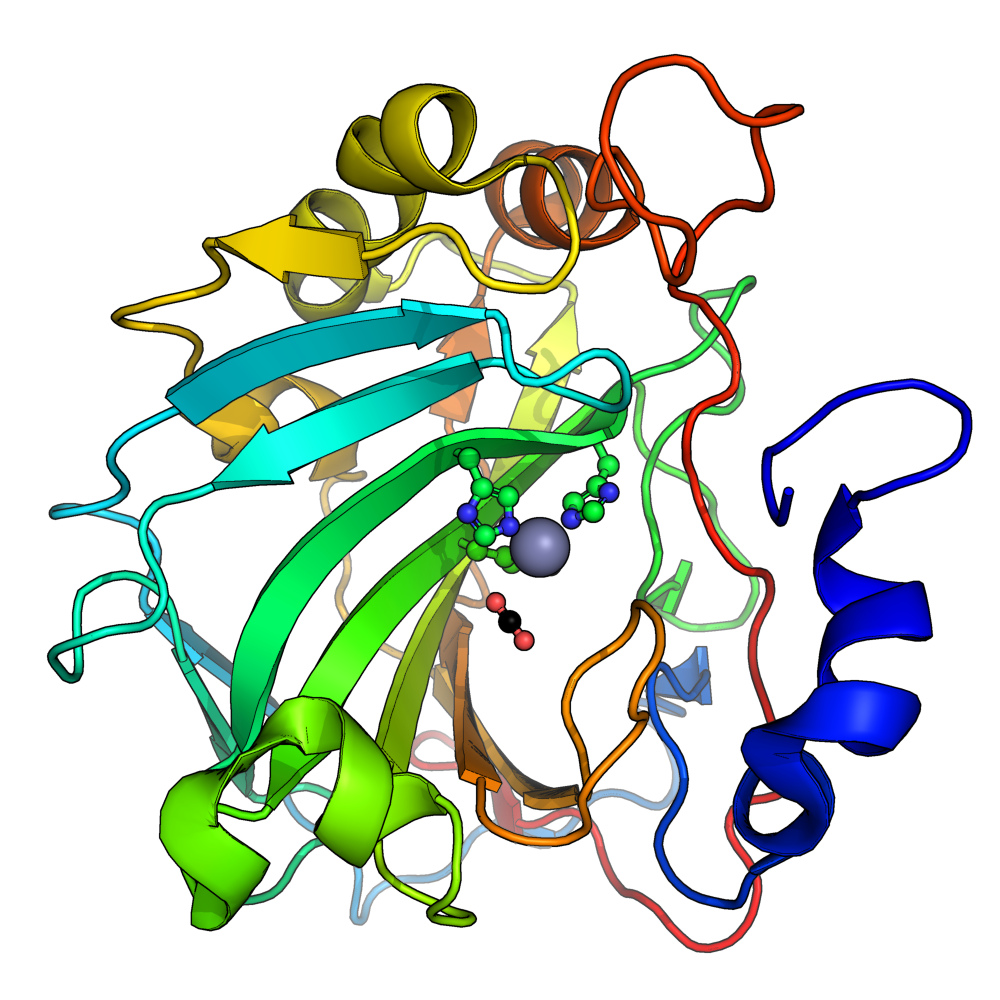
Trace minerals function primarily as cofactors for enzymes, meaning they are essential components that enable enzymes to catalyze biochemical reactions. For instance, copper is crucial for the enzyme cytochrome c oxidase, involved in cellular respiration, and manganese is a cofactor for superoxide dismutase, an antioxidant enzyme. Iron is indispensable for oxygen transport via hemoglobin in red blood cells and myoglobin in muscles. Zinc plays a role in over 300 enzymatic reactions, including DNA synthesis and immune function. Selenium is a key component of selenoproteins, which are vital for antioxidant defense and thyroid hormone metabolism. Even cobalt, primarily known as part of vitamin B12, is essential for various metabolic pathways.
📊 Key Facts & Numbers
The human body typically contains less than 5 grams of all trace minerals combined. For example, the average adult body contains only about 3-4 grams of iron, but a deficiency can lead to a 50% reduction in oxygen-carrying capacity. Recommended daily intake (RDI) for trace minerals is measured in milligrams (mg) or micrograms (µg). For instance, the RDI for zinc for adult males is 11 mg/day, while for iodine it's a mere 150 µg/day. Molybdenum's RDI is only 45 µg/day. Deficiencies can manifest rapidly; for example, a lack of iodine can cause thyroid dysfunction in as little as a few months. Globally, an estimated 2 billion people suffer from iron deficiency, making it the most common nutritional deficiency worldwide.
👥 Key People & Organizations
Key figures in understanding trace minerals include Henry Cavendish, who first isolated hydrogen and determined its atomic weight, laying groundwork for elemental understanding, though not directly nutrition. Carl Wilhelm Scheele discovered oxygen and chlorine, fundamental elements. In nutrition, Henry D. Uhlrich and William J. Darby were instrumental in identifying zinc's essentiality in humans in the 1960s. The World Health Organization (WHO) and the Food and Agriculture Organization (FAO) continuously publish guidelines and research on mineral requirements and deficiencies. Organizations like the Linus Pauling Institute at Oregon State University are also significant centers for research into micronutrient functions and health implications.
🌍 Cultural Impact & Influence
The cultural impact of trace minerals is largely indirect, manifesting through public health campaigns and dietary recommendations. Awareness of iodine's role in preventing goiter led to widespread iodization of salt in many countries, a public health success story that dramatically reduced the incidence of this condition. Similarly, fortification of foods with iron and zinc has become standard practice in many regions to combat widespread deficiencies. The popularization of supplements, often containing complex blends of vitamins and trace minerals, reflects a societal desire to optimize health through targeted nutrient intake, influenced by wellness trends and media coverage of nutritional science.
⚡ Current State & Latest Developments
Current research is increasingly focused on the synergistic and antagonistic interactions between different trace minerals. For example, high intake of zinc can interfere with copper absorption, and vice versa. Scientists are also exploring the role of trace minerals in chronic diseases beyond deficiency, such as their potential involvement in cancer prevention or management, and their impact on the gut microbiome. The development of more accurate biomarkers for assessing trace mineral status in populations is an ongoing area of innovation, moving beyond simple blood tests to more sophisticated methods that reflect tissue levels and functional status.
🤔 Controversies & Debates
A significant debate revolves around the precise definition of 'essential' trace minerals and their optimal intake levels. While the core elements like iron, zinc, and iodine are universally accepted, the essentiality of others, such as boron or silicon, for humans remains contentious, with some evidence suggesting benefits but lacking definitive proof of essentiality. Furthermore, the optimal intake levels are often debated, with concerns about potential toxicity from excessive supplementation, especially for minerals like selenium and copper. The influence of genetics on individual requirements and metabolism of trace minerals also presents a complex area of ongoing research and disagreement among experts.
🔮 Future Outlook & Predictions
The future of trace mineral research will likely involve personalized nutrition, where dietary recommendations are tailored based on an individual's genetic makeup, lifestyle, and specific health needs. Advances in genomics and proteomics will enable a deeper understanding of how trace minerals interact with genes and proteins to influence health and disease. There's also growing interest in the role of trace minerals in neurodegenerative diseases like Alzheimer's disease and Parkinson's disease. Furthermore, sustainable agriculture practices aimed at improving soil mineral content could play a crucial role in ensuring adequate trace mineral intake globally.
💡 Practical Applications
Trace minerals are fundamental to various practical applications. In agriculture, they are added to animal feed to ensure livestock health and productivity, and to fertilizers to improve crop yield and nutritional value. In human medicine, they are used to treat specific deficiencies; iron supplements are standard for anemia, and iodine is used to treat thyroid disorders. Zinc is employed in wound healing creams and treatments for conditions like acne. The food industry utilizes trace mineral fortification in products ranging from cereals and dairy to infant formula, ensuring broader population access to these vital nutrients. Copper is also used in antimicrobial surfaces and plumbing due to its natural antibacterial properties.
Key Facts
- Year
- Ongoing discovery and research
- Origin
- Global
- Category
- science
- Type
- concept
Frequently Asked Questions
What are the most important trace minerals for human health?
The most critical trace minerals for human health include iron, essential for oxygen transport; zinc, vital for immune function and DNA synthesis; iodine, crucial for thyroid hormone production; selenium, an antioxidant and important for thyroid function; and copper, involved in energy production and connective tissue formation. Other recognized trace minerals include manganese, molybdenum, and cobalt (as part of vitamin B12). Their precise roles and the consequences of their deficiency underscore their importance despite being needed in tiny amounts.
How does the body get trace minerals?
The primary way the body obtains trace minerals is through diet. Plants absorb minerals from the soil, and animals ingest these plants or other animals, accumulating the minerals through the food chain. Therefore, the mineral content of soil directly influences the mineral content of the food grown on it. Water can also be a source of some minerals. Once ingested, trace minerals are absorbed, primarily in the small intestine, and transported to various tissues where they perform their specific functions.
What happens if you don't get enough trace minerals?
A deficiency in trace minerals can lead to a wide range of health problems. For example, iron deficiency causes anemia, characterized by fatigue and weakness. Iodine deficiency can result in goiter and developmental issues, particularly in children. Zinc deficiency impairs immune function, delays wound healing, and can affect growth and reproduction. Selenium deficiency is linked to increased susceptibility to oxidative stress and impaired thyroid function. These deficiencies highlight the critical role trace minerals play in maintaining overall health and preventing disease.
Can you get too much of a trace mineral?
Yes, it is possible to consume too much of a trace mineral, leading to toxicity. While essential, these minerals can be harmful in excessive amounts. For instance, too much selenium can cause hair loss, nail problems, and neurological issues (selenosis). Excessive copper intake can lead to liver damage and gastrointestinal distress. Similarly, high doses of iron supplements can be toxic, especially for children. This is why it's crucial to obtain trace minerals primarily through a balanced diet and to consult healthcare professionals before taking high-dose supplements.
Are trace minerals the same as electrolytes?
No, trace minerals are not the same as electrolytes, although there can be overlap. Electrolytes are minerals that carry an electric charge when dissolved in body fluids, such as sodium, potassium, and chloride. They are crucial for nerve and muscle function, hydration, and blood pH balance. Trace minerals, on the other hand, are essential elements needed in much smaller quantities and often function as cofactors for enzymes or as structural components, like iron in hemoglobin or iodine in thyroid hormones. Some minerals, like magnesium, are considered major minerals but also play roles in electrolyte balance.
How can I ensure I'm getting enough trace minerals?
The best way to ensure adequate trace mineral intake is through a varied and balanced diet that includes a wide range of whole foods. Incorporating diverse fruits, vegetables, whole grains, lean proteins (like red meat for iron, seafood for zinc and selenium), nuts, and seeds will provide a broad spectrum of essential nutrients. Fortified foods, such as cereals and dairy products, can also contribute. If you suspect a deficiency or have specific dietary restrictions, consulting a registered dietitian or healthcare provider is recommended to discuss potential supplementation, ensuring it's appropriate and safe.
What is the future of trace mineral research?
The future of trace mineral research is focused on personalized nutrition, understanding complex interactions between minerals and genetics, and their role in preventing and managing chronic diseases. Scientists are developing more precise methods to assess individual mineral status and exploring how trace minerals impact the gut microbiome and neurodegenerative diseases. There's also a growing emphasis on sustainable agriculture to improve the mineral content of soil and, consequently, our food supply, ensuring global populations have access to these vital nutrients.