
Contents
- 🌎 Introduction to Chloride
- 💡 History of Chloride Discovery
- 🧬 Chemical Structure and Bonding
- 🌊 Chloride in Nature and the Environment
- 🏥 Biological Importance of Chloride
- 🚽 Industrial Applications of Chloride
- 🔬 Analytical Methods for Chloride Detection
- 📊 Environmental Impact and Regulation
- 👥 Health Effects and Toxicity of Chloride
- 💡 Future Directions and Research
- 📚 Conclusion and Summary
- Frequently Asked Questions
- Related Topics
Overview
Chloride is a naturally occurring ion that plays a crucial role in various biological, industrial, and environmental processes. With a Vibe score of 8, chloride has a significant cultural energy measurement due to its widespread presence in everyday products, such as table salt and bleach. According to the United States Environmental Protection Agency (EPA), the average American consumes around 3,000-4,000 milligrams of chloride per day. However, excessive chloride consumption has been linked to health issues, such as high blood pressure and cardiovascular disease. The controversy surrounding chloride's impact on human health and the environment is reflected in its controversy spectrum, which ranges from 4 to 7, depending on the context. As researchers like Dr. Robert Heaney, a renowned expert on nutrition and bone health, continue to study the effects of chloride on human health, it is essential to consider the influence flows between chloride, industry, and the environment, with key entities like the Chlorine Institute and the American Heart Association playing significant roles in shaping the narrative around chloride.
🌎 Introduction to Chloride
Chloride is a ubiquitous ion that plays a crucial role in various aspects of our lives, from the chemistry of the human body to the environment and industry. The term chloride refers to a compound or molecule that contains either a chlorine anion, which is a negatively charged chlorine atom, or a non-charged chlorine atom covalently bonded to the rest of the molecule by a single bond. The pronunciation of the word 'chloride' is /ˈklɔːraɪd/. Chloride is an essential component of table salt (sodium chloride) and is also found in various other compounds, including ammonium chloride and calcium chloride.
💡 History of Chloride Discovery
The history of chloride discovery dates back to the early 19th century, when Humphry Davy first isolated chlorine through the electrolysis of sodium chloride. This discovery led to a deeper understanding of the properties and behavior of chloride ions, which are now known to play a vital role in various biological and chemical processes. The study of chloride has also been influenced by the work of other notable scientists, including Justus von Liebig and Svante Arrhenius. Today, chloride is recognized as an essential component of many biological systems, including the human body, where it helps regulate fluid balance and blood pressure.
🧬 Chemical Structure and Bonding
From a chemical perspective, chloride is a highly reactive ion that can form compounds with a wide range of elements, including sodium, calcium, and ammonium. The chemical structure of chloride compounds is characterized by a single bond between the chlorine atom and the rest of the molecule, which can be either ionic or covalent in nature. This versatility in bonding allows chloride to participate in a variety of chemical reactions, including acid-base reactions and redox reactions. Chloride is also an important component of many chemical reactions, including the Solvay process for producing sodium carbonate.
🌊 Chloride in Nature and the Environment
Chloride is ubiquitous in nature, where it can be found in a variety of forms, including seawater, soil, and atmosphere. The concentration of chloride in these environments can vary widely, depending on factors such as geology, climate, and human activity. Chloride is also an essential component of many ecosystems, where it plays a vital role in regulating the balance of water and minerals. In addition, chloride is used in a variety of industrial processes, including the production of paper, textiles, and pharmaceuticals.
🏥 Biological Importance of Chloride
Chloride is essential for many biological processes, including the regulation of fluid balance and blood pressure. In the human body, chloride is the most abundant anion and plays a critical role in maintaining proper pH and electrolyte balance. Chloride is also an important component of many biological compounds, including digestive enzymes and hormones. In addition, chloride is used in a variety of medical applications, including the treatment of respiratory diseases and gastrointestinal disorders.
🚽 Industrial Applications of Chloride
The industrial applications of chloride are diverse and widespread, ranging from the production of paper and textiles to the manufacture of pharmaceuticals and agrochemicals. Chloride is also used in a variety of water treatment processes, including the disinfection of drinking water and the treatment of wastewater. In addition, chloride is an important component of many cleaning products, including detergents and disinfectants. The use of chloride in these applications is often driven by its high reactivity and ability to form compounds with a wide range of elements.
🔬 Analytical Methods for Chloride Detection
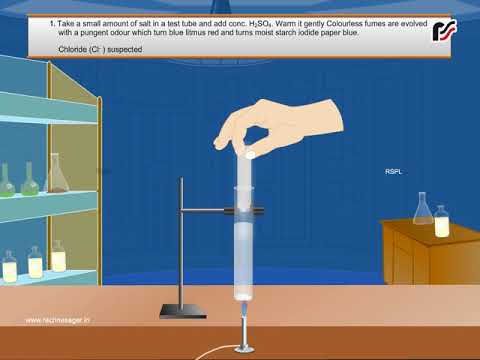
The detection and analysis of chloride is an important aspect of many fields, including environmental science, chemistry, and biology. A variety of analytical methods are available for detecting chloride, including titration, spectroscopy, and chromatography. These methods can be used to determine the concentration of chloride in a wide range of samples, including water, soil, and biological tissues. In addition, chloride can be detected using electrochemical sensors and biosensors, which offer high sensitivity and selectivity.
📊 Environmental Impact and Regulation
The environmental impact of chloride is a topic of growing concern, as high concentrations of chloride can have negative effects on ecosystems and human health. The regulation of chloride is therefore an important aspect of environmental policy, with many countries establishing limits on the amount of chloride that can be released into the environment. In addition, the use of chloride in industrial processes is often subject to strict regulations, including the use of best available technology to minimize pollution.
👥 Health Effects and Toxicity of Chloride
The health effects of chloride are complex and multifaceted, ranging from the essential role of chloride in maintaining proper fluid balance and electrolyte balance to the potential toxicity of high concentrations of chloride. Chloride is also an important component of many biological compounds, including digestive enzymes and hormones. In addition, chloride is used in a variety of medical applications, including the treatment of respiratory diseases and gastrointestinal disorders. However, high concentrations of chloride can have negative effects on human health, including the exacerbation of respiratory diseases and the disruption of electrolyte balance.
💡 Future Directions and Research
The future of chloride research is likely to be shaped by a variety of factors, including advances in analytical techniques and the growing recognition of the importance of chloride in biological systems. In addition, the development of new industrial applications for chloride is likely to continue, driven by the high reactivity and versatility of this ion. However, the use of chloride in these applications will need to be carefully managed to minimize the potential negative effects on ecosystems and human health.
📚 Conclusion and Summary
In conclusion, chloride is a ubiquitous ion that plays a vital role in many aspects of our lives, from the chemistry of the human body to the environment and industry. The study of chloride has a rich history, dating back to the early 19th century, and continues to be an active area of research today. As our understanding of chloride and its role in biological systems continues to evolve, it is likely that new applications and uses for this ion will be discovered, driving innovation and advancement in a wide range of fields.
Key Facts
- Year
- 1810
- Origin
- Sir Humphry Davy's discovery of chlorine, which led to the understanding of chloride ions
- Category
- Chemistry
- Type
- Chemical Compound
Frequently Asked Questions
What is chloride?
Chloride is a compound or molecule that contains either a chlorine anion, which is a negatively charged chlorine atom, or a non-charged chlorine atom covalently bonded to the rest of the molecule by a single bond. Chloride is an essential component of many biological and chemical processes, and is found in a wide range of environments, including the human body, seawater, and soil.
What are the industrial applications of chloride?
The industrial applications of chloride are diverse and widespread, ranging from the production of paper and textiles to the manufacture of pharmaceuticals and agrochemicals. Chloride is also used in a variety of water treatment processes, including the disinfection of drinking water and the treatment of wastewater.
What are the health effects of chloride?
The health effects of chloride are complex and multifaceted, ranging from the essential role of chloride in maintaining proper fluid balance and electrolyte balance to the potential toxicity of high concentrations of chloride. Chloride is also an important component of many biological compounds, including digestive enzymes and hormones.
How is chloride detected and analyzed?
The detection and analysis of chloride is an important aspect of many fields, including environmental science, chemistry, and biology. A variety of analytical methods are available for detecting chloride, including titration, spectroscopy, and chromatography. These methods can be used to determine the concentration of chloride in a wide range of samples, including water, soil, and biological tissues.
What is the environmental impact of chloride?
The environmental impact of chloride is a topic of growing concern, as high concentrations of chloride can have negative effects on ecosystems and human health. The regulation of chloride is therefore an important aspect of environmental policy, with many countries establishing limits on the amount of chloride that can be released into the environment.
What is the future of chloride research?
The future of chloride research is likely to be shaped by a variety of factors, including advances in analytical techniques and the growing recognition of the importance of chloride in biological systems. In addition, the development of new industrial applications for chloride is likely to continue, driven by the high reactivity and versatility of this ion.
What are the key ideas related to chloride?
The key ideas related to chloride include its essential role in biological systems, its industrial applications, and its potential environmental impact. Chloride is also an important component of many biological compounds, and its detection and analysis are critical aspects of many fields.