
Contents
Overview
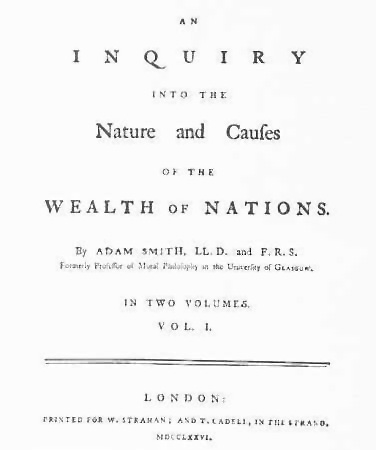
The Wealth of Nations, written by Adam Smith, is a comprehensive treatise on economics that was first published in 1776. The book is considered one of the most influential works in the field of economics and is still widely read and studied today.
The Division of Labor
One of the key concepts explored in The Wealth of Nations is the division of labor. Smith argues that the division of labor is a key driver of economic growth and prosperity, as it allows for greater efficiency and productivity. He also explores the concept of the 'invisible hand', which suggests that individuals acting in their own self-interest can lead to socially beneficial outcomes.
The Theory of Prices
The Wealth of Nations also explores the theory of prices and the role of government in the economy. Smith argues that prices are determined by the interaction of supply and demand, and that government intervention in the economy can often have unintended consequences. He also discusses the importance of free trade and the benefits of international trade.
The Role of Government
The Wealth of Nations has had a profound impact on the development of economics and continues to be widely read and studied today. The book's ideas about the division of labor, the invisible hand, and the role of government in the economy remain highly influential and continue to shape economic thought and policy.
Key Facts
- Year
- 1776
- Origin
- Scotland
- Category
- Economics
- Type
- Book
Frequently Asked Questions
Who wrote The Wealth of Nations?
Adam Smith
What is the main idea of The Wealth of Nations?
The main idea of The Wealth of Nations is to explore the nature and causes of a nation's wealth.
What is the significance of The Wealth of Nations?
The Wealth of Nations is a foundational work in economics that has had a profound impact on the development of the field.