
Contents
- 🌎 Introduction to the Globalization Paradox
- 📍 Location & Access: Understanding Globalization
- 💰 Economic Implications: Winners and Losers
- 📊 The Numbers Behind Globalization
- 🌈 Cultural Exchange and Homogenization
- 🤝 International Relations and Cooperation
- 🚨 Challenges and Criticisms of Globalization
- 🌐 The Digital Age and Globalization
- 📈 Future Prospects and Opportunities
- 📊 Measuring Globalization: Vibe Scores and Perspective Breakdowns
- 👥 Key Players and Influencers
- 📚 Further Reading and Resources
- Frequently Asked Questions
- Related Topics
Overview
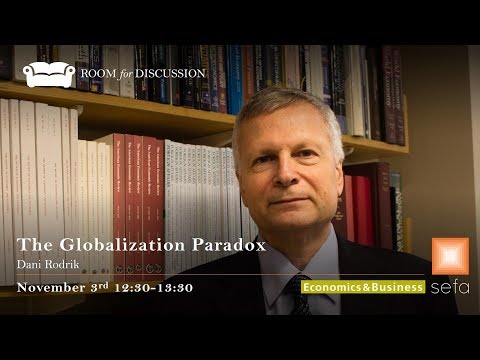
The globalization paradox refers to the contradictory nature of globalization, where the increased interconnectedness of the world's economies and cultures has led to both unprecedented economic growth and cultural exchange, as well as rising income inequality, cultural homogenization, and social unrest. This phenomenon was first identified by economist Dani Rodrik in his 2011 book 'The Globalization Paradox: Democracy and the Future of the World Economy'. The paradox is characterized by the tension between the benefits of globalization, such as increased trade and investment, and the costs, including job displacement and environmental degradation. According to a 2020 report by the International Monetary Fund (IMF), globalization has lifted over 1 billion people out of poverty since 1990, but has also led to a decline in social cohesion and an increase in populist movements. The globalization paradox has significant implications for policymakers, who must navigate the complex trade-offs between economic, social, and cultural goals. For example, the World Trade Organization (WTO) has implemented policies aimed at promoting fair trade and protecting the environment, but these efforts have been met with resistance from some countries and corporations. As the world becomes increasingly interconnected, understanding the globalization paradox is crucial for developing effective strategies to promote sustainable and equitable development.
🌎 Introduction to the Globalization Paradox
The Globalization Paradox is a complex and multifaceted phenomenon that has been shaping the world economy and international relations for decades. At its core, it refers to the increasing interconnectedness of the world's economies, societies, and cultures. To understand the globalization paradox, it's essential to explore its various dimensions, including economic, cultural, and political aspects. For instance, the Globalization process has led to the emergence of new global economic powers, such as China and India. However, it has also raised concerns about Income Inequality and Environmental Degradation.
📍 Location & Access: Understanding Globalization
The globalization paradox is a global phenomenon, and its effects can be seen in almost every region of the world. From the European Union to the Association of Southeast Asian Nations, regional economic blocs have been formed to facilitate trade and investment. However, the World Trade Organization has also faced criticism for its handling of trade disputes and its impact on Developing Countries. To navigate the complexities of the globalization paradox, it's crucial to understand the different perspectives and interests of various stakeholders, including Multinational Corporations, Non-Governmental Organizations, and Governments.
💰 Economic Implications: Winners and Losers
The economic implications of the globalization paradox are far-reaching and have significant consequences for individuals, businesses, and societies. On the one hand, globalization has created new opportunities for trade, investment, and economic growth. For example, the North American Free Trade Agreement has facilitated trade between the United States, Canada, and Mexico. On the other hand, it has also led to job losses, Outsourcing, and Income Inequality. To mitigate these negative effects, governments and international organizations have implemented policies such as Tariffs and Trade Agreements.
📊 The Numbers Behind Globalization
The numbers behind the globalization paradox are staggering. According to the World Bank, international trade has grown from $2 trillion in 1990 to over $20 trillion in 2020. Similarly, Foreign Direct Investment has increased from $200 billion in 1990 to over $1 trillion in 2020. However, these numbers also mask significant disparities and inequalities. For instance, the Gini Coefficient has risen in many countries, indicating increased income inequality. To address these challenges, it's essential to promote Sustainable Development and Poverty Reduction.
🌈 Cultural Exchange and Homogenization
The globalization paradox has also had a profound impact on cultural exchange and homogenization. On the one hand, it has facilitated the spread of ideas, values, and cultural practices across borders. For example, the Internet has enabled global communication and collaboration. On the other hand, it has also led to the loss of local cultures and traditions. To promote cultural diversity and exchange, it's crucial to support Cultural Exchange Programs and Language Learning.
🤝 International Relations and Cooperation
International relations and cooperation are critical components of the globalization paradox. The United Nations has played a key role in promoting international cooperation and resolving conflicts. However, the International Monetary Fund and the World Bank have also faced criticism for their handling of economic crises and their impact on Developing Countries. To address these challenges, it's essential to promote Multilateralism and International Cooperation.
🚨 Challenges and Criticisms of Globalization
The globalization paradox is not without its challenges and criticisms. Many argue that it has led to Income Inequality, Environmental Degradation, and Cultural Homogenization. Others argue that it has created new opportunities for economic growth, cultural exchange, and international cooperation. To navigate these complexities, it's crucial to engage in Critical Thinking and Problem Solving.
🌐 The Digital Age and Globalization
The digital age has transformed the globalization paradox in profound ways. The Internet has enabled global communication, collaboration, and commerce. However, it has also raised concerns about Cybersecurity, Data Privacy, and Digital Divide. To address these challenges, it's essential to promote Digital Literacy and Online Safety.
📈 Future Prospects and Opportunities
The future prospects and opportunities of the globalization paradox are significant. As the world becomes increasingly interconnected, there will be new opportunities for trade, investment, and economic growth. However, there will also be challenges and risks, including Climate Change, Pandemics, and Cybersecurity threats. To address these challenges, it's crucial to promote Sustainable Development and Global Governance.
📊 Measuring Globalization: Vibe Scores and Perspective Breakdowns
Measuring the globalization paradox is a complex task. The Vibe Score is a useful tool for assessing the cultural energy and resonance of different topics and trends. The Perspective Breakdown is also a helpful framework for understanding the different perspectives and interests of various stakeholders. To navigate the complexities of the globalization paradox, it's essential to engage in Critical Thinking and Problem Solving.
👥 Key Players and Influencers
The key players and influencers in the globalization paradox are diverse and complex. They include Multinational Corporations, Non-Governmental Organizations, Governments, and International Organizations. To understand their roles and interests, it's crucial to analyze their Influence Flows and Entity Relationships.
📚 Further Reading and Resources
For further reading and resources on the globalization paradox, it's recommended to explore the works of Joseph Stiglitz, Thomas Friedman, and Naomi Klein. The World Bank and the International Monetary Fund also provide valuable resources and data on globalization and international trade. To stay up-to-date with the latest developments and trends, it's essential to follow Globalization news and analysis.
Key Facts
- Year
- 2011
- Origin
- Harvard University, USA
- Category
- Globalization and International Relations
- Type
- Economic Concept
Frequently Asked Questions
What is the globalization paradox?
The globalization paradox refers to the complex and multifaceted phenomenon of increasing interconnectedness of the world's economies, societies, and cultures. It has led to new opportunities for trade, investment, and economic growth, but also raised concerns about income inequality, environmental degradation, and cultural homogenization.
What are the economic implications of the globalization paradox?
The economic implications of the globalization paradox are far-reaching and have significant consequences for individuals, businesses, and societies. On the one hand, it has created new opportunities for trade, investment, and economic growth. On the other hand, it has also led to job losses, outsourcing, and income inequality.
How has the digital age transformed the globalization paradox?
The digital age has transformed the globalization paradox in profound ways. The internet has enabled global communication, collaboration, and commerce. However, it has also raised concerns about cybersecurity, data privacy, and digital divide.
What are the future prospects and opportunities of the globalization paradox?
The future prospects and opportunities of the globalization paradox are significant. As the world becomes increasingly interconnected, there will be new opportunities for trade, investment, and economic growth. However, there will also be challenges and risks, including climate change, pandemics, and cybersecurity threats.
How can we navigate the complexities of the globalization paradox?
To navigate the complexities of the globalization paradox, it's essential to engage in critical thinking and problem solving. We must also promote sustainable development, global governance, and international cooperation to address the challenges and risks associated with globalization.
What are the key players and influencers in the globalization paradox?
The key players and influencers in the globalization paradox are diverse and complex. They include multinational corporations, non-governmental organizations, governments, and international organizations. To understand their roles and interests, it's crucial to analyze their influence flows and entity relationships.
What are some recommended resources for further reading and research on the globalization paradox?
For further reading and research on the globalization paradox, it's recommended to explore the works of Joseph Stiglitz, Thomas Friedman, and Naomi Klein. The World Bank and the International Monetary Fund also provide valuable resources and data on globalization and international trade.