
Contents
Overview
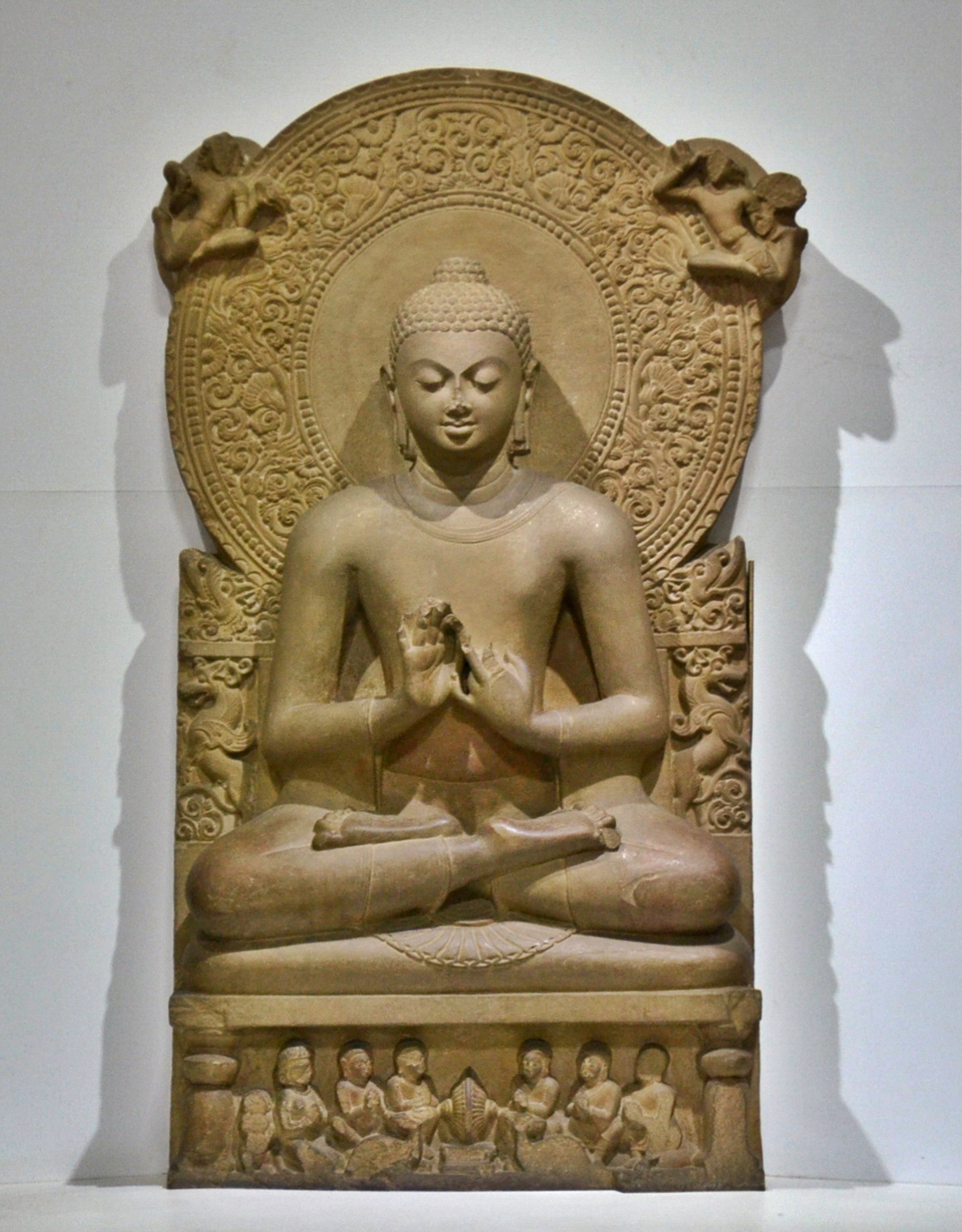
Siddhartha Gautama, universally known as the Buddha, was an Indian ascetic and philosopher whose teachings formed the bedrock of Buddhism. Born a prince in Lumbini, he renounced his privileged life around the 6th or 5th century BCE to seek an end to suffering, eventually attaining enlightenment under the Bodhi tree in Bodh Gaya. For the next 45 years, he traversed the Indo-Gangetic Plain, disseminating his doctrine of the Middle Way—a path between extreme asceticism and sensual indulgence—and establishing the monastic order of the Sangha. His core teachings, centered on the Four Noble Truths and the Eightfold Path, offer a framework for understanding and overcoming craving, ignorance, and the cycle of rebirth, aiming for the ultimate state of Nirvana. The Buddha's profound insights continue to resonate globally, influencing billions and shaping diverse cultural and spiritual traditions across Asia and beyond.
🎵 Origins & History
Siddhartha Gautama, a prince of the Shakya clan, is the historical figure known as the Buddha. His early life was one of immense privilege, shielded from the harsh realities of existence. However, encounters with old age, sickness, and death spurred a profound existential crisis, leading him to abandon his royal life. After a period of seeking, his breakthrough came while meditating under a Bodhi tree in Bodh Gaya, India, where he attained enlightenment, becoming the Buddha, or 'Awakened One.' For the subsequent 45 years, he traveled and taught, establishing the Sangha, a monastic community, and laying the foundation for what would become the world's fourth-largest religion, Buddhism.
⚙️ The Core Teachings
At the heart of the Buddha's teachings lie the Four Noble Truths: the truth of suffering (dukkha), the truth of the origin of suffering (craving and attachment), the truth of the cessation of suffering (nirvana), and the truth of the path to the cessation of suffering (the Eightfold Path). This path is a practical guide for ethical conduct, mental discipline, and wisdom, emphasizing right understanding, right thought, right speech, right action, right livelihood, right effort, right mindfulness, and right concentration. The Buddha advocated for a 'Middle Way,' eschewing both extreme asceticism and sensual indulgence, positing that liberation from the cycle of rebirth (samsara) and the attainment of nirvana are possible through diligent practice and insight into the nature of reality, particularly the concepts of impermanence (anicca) and non-self (anatta).
📊 Key Facts & Numbers
The Buddha's life and teachings are anchored in specific historical and numerical contexts. His teachings, initially transmitted orally, were compiled into vast canons, such as the Pali Canon, which contains over 10,000 sutras. Today, Buddhism is practiced by an estimated 500 million to 1.2 billion people worldwide, making it a major global religion. The monastic order he founded, the Sangha, has persisted for over 2,500 years, with millions of monks and nuns across various traditions. The concept of karma, central to his philosophy, posits that actions have consequences, influencing future lives across countless rebirths.
👥 Key Figures & Lineages
The Buddha's immediate family played significant roles in his life story. Over centuries, his teachings evolved into major schools, including Theravada Buddhism, prevalent in Southeast Asia, and Mahayana Buddhism, dominant in East Asia, each with its own lineage of enlightened beings and influential teachers.
🌍 Cultural Impact & Influence
The influence of the Buddha and his teachings extends far beyond religious practice, permeating art, literature, philosophy, and social reform movements globally. Buddhist art, characterized by serene statues and intricate mandalas, has become iconic, with the image of the Buddha recognized worldwide. His ethical framework has inspired pacifist movements and contemplative practices adopted by secular individuals seeking mindfulness and stress reduction. The concept of karma and rebirth has shaped cultural norms and legal systems in many Asian countries. Furthermore, the Buddha's emphasis on non-violence (ahimsa) and compassion has resonated with figures like Mahatma Gandhi and Martin Luther King Jr., influencing their philosophies of resistance and social justice.
⚡ Modern Buddhism & Global Reach
In the 21st century, Buddhism continues to thrive and adapt. Theravada traditions remain strong in Sri Lanka, Thailand, Myanmar, Cambodia, and Laos, while Mahayana schools flourish in China, Japan, Korea, and Vietnam. Tibetan Buddhism, a distinct branch of Mahayana, has gained significant international attention, particularly through the Dalai Lama. Western engagement with Buddhism has surged, with millions adopting meditation practices and exploring Buddhist philosophy. Organizations like the Mind and Life Institute foster dialogue between Buddhist contemplatives and scientists, exploring the neurological and psychological benefits of practices like mindfulness meditation.
🤔 Controversies & Debates
Despite its widespread veneration, the Buddha and his teachings are not without controversy. Debates persist regarding the precise historical accuracy of the Buddha's life as depicted in scriptures, with scholars questioning the exact dates and events. The interpretation and practice of Buddhist doctrines vary widely, leading to sectarian differences and occasional philosophical disputes, such as the nature of the self (anatta) versus the concept of a soul-like continuity. Furthermore, the historical role of Buddhism in relation to political power, particularly in countries like Myanmar, has drawn criticism. The commercialization of mindfulness and Buddhist-inspired practices in the West also raises questions about authenticity and commodification.
🔮 Future Outlook & Predictions
The future of Buddhism appears dynamic, marked by continued globalization and adaptation. As more individuals seek spiritual and ethical guidance outside traditional religious frameworks, the Buddha's teachings on mindfulness, compassion, and the nature of suffering are likely to gain further traction. Innovations in digital platforms and online communities are making Buddhist teachings more accessible than ever before. However, challenges remain, including maintaining the depth of traditional practice in secular contexts, addressing the impact of climate change on monastic communities in vulnerable regions, and navigating the complex geopolitical landscapes where Buddhism is a significant cultural force. The potential for new syncretic forms of Buddhism, blending Eastern wisdom with Western scientific and philosophical inquiry, is also considerable.
💡 Practical Applications
The Buddha's teachings offer profound practical applications for modern life. The practice of mindfulness meditation, derived from the Eightfold Path's emphasis on right mindfulness, is widely used in therapeutic settings for stress reduction, anxiety management, and improving focus. Concepts like impermanence can foster resilience in the face of loss and change. The ethical principles of non-harming and compassion provide a robust framework for personal conduct and social interaction. Businesses are increasingly adopting mindfulness at work programs, recognizing the benefits for employee well-being and productivity. Even in fields like artificial intelligence, discussions around consciousness and ethics sometimes draw parallels to Buddhist philosophical inquiries.
Key Facts
- Category
- philosophy
- Type
- topic