
Contents
Overview
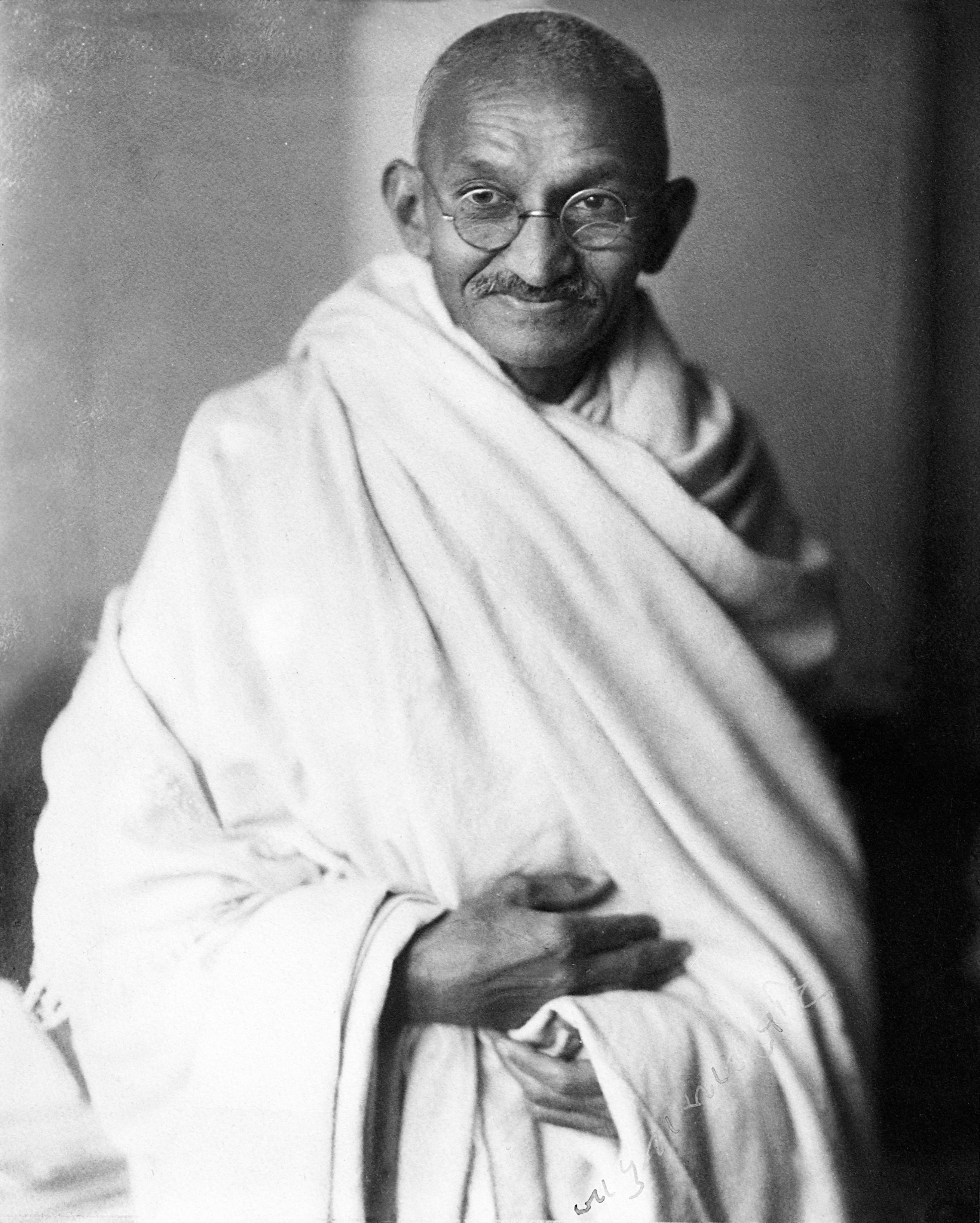
Mohandas Karamchand Gandhi was born on October 2, 1869, in Porbandar, Gujarat, India. His father, Karamchand Gandhi, served as the chief minister of Porbandar, and his mother, Putlibai, was a devout Hindu. Gandhi received his early education in India before traveling to London at the age of 19 to study law at the Inner Temple. After qualifying as a barrister, he returned to India but struggled to establish a successful law practice. His experiences in South Africa, where he moved in 1893, profoundly shaped his views on racial discrimination and injustice, leading him to develop his philosophy of nonviolent resistance. During his time in South Africa, he also encountered influential thinkers and texts that deepened his understanding of various religions and philosophies, including those of Leo Tolstoy and the Bhagavad Gita.
⚙️ The Birth of Satyagraha in South Africa
Gandhi's time in South Africa, spanning over 20 years, was crucial in the development of his political and spiritual thought. He experienced firsthand the harsh realities of racial segregation and discrimination against Indian immigrants. A pivotal moment occurred when he was forcibly removed from a first-class train carriage, an incident that fueled his resolve to fight for civil rights. It was here that he coined and practiced the philosophy of Satyagraha, meaning "truth force" or "soul force." This method of nonviolent civil disobedience involved actively resisting injustice through peaceful means, such as protests, boycotts, and civil disobedience. His campaigns in South Africa, like the resistance against the humiliating ordinance for the registration of its Indian population, rallied the Indian community and brought international attention to their plight, influencing future leaders like Martin Luther King Jr.
🌍 Leading India's Independence Movement
Upon returning to India in 1915, Gandhi quickly became a central figure in the Indian independence movement. He transformed the Indian National Congress into a mass movement, advocating for self-rule (swaraj) through nonviolent non-cooperation with British colonial rule. He organized numerous campaigns, including the Champaran Satyagraha (1917) against the oppression of peasants, the Kheda Satyagraha (1918) against unjust taxes, and the significant Salt March (1930) to protest the British salt tax. Gandhi's emphasis on economic self-reliance, particularly through the promotion of khadi (homespun cloth), and his efforts to combat social injustices like untouchability, resonated deeply with the Indian populace. His leadership was instrumental in mobilizing millions and challenging the authority of the British Empire, as seen in the Quit India Movement during World War II.
🔮 Legacy and Assassination
Mahatma Gandhi's unwavering commitment to nonviolence and truth made him an iconic figure, earning him the title "Mahatma" (Great Soul). Despite leading India to independence in 1947, he was deeply pained by the partition of India and Pakistan and the ensuing communal violence. He dedicated his final months to promoting peace and reconciliation between Hindus and Muslims, undertaking fasts to quell riots. Tragically, on January 30, 1948, Gandhi was assassinated by Nathuram Godse, a Hindu fanatic who opposed Gandhi's tolerance towards Muslims. His assassination sent shockwaves across the world, but his legacy of nonviolent resistance continues to inspire movements for justice and human rights globally, influencing figures like Nelson Mandela and Cesar Chavez. His philosophy remains a powerful testament to the potential of peaceful means in achieving profound social and political change.
Key Facts
- Year
- 1869-1948
- Origin
- India
- Category
- history
- Type
- person
Frequently Asked Questions
What does 'Mahatma' mean?
'Mahatma' is a Sanskrit term meaning 'Great Soul' or 'venerable one.' It was an honorific title bestowed upon Mohandas Karamchand Gandhi in recognition of his profound spiritual and political influence.
What was Satyagraha?
Satyagraha, meaning 'truth force' or 'soul force,' was Mahatma Gandhi's philosophy and practice of nonviolent resistance. It involved actively opposing injustice through peaceful means, such as civil disobedience, protests, and boycotts, emphasizing truth, love, and self-suffering over violence.
What was the Salt March?
The Salt March, also known as the Dandi March, was a 241-mile (390 km) nonviolent protest led by Mahatma Gandhi in 1930. It was a direct act of civil disobedience against the British-imposed salt tax, where Gandhi and his followers marched to the sea to produce salt illegally, symbolizing defiance against British rule.
How did Mahatma Gandhi die?
Mahatma Gandhi was assassinated on January 30, 1948, by Nathuram Godse, a Hindu extremist who opposed Gandhi's efforts to foster peace and tolerance between Hindus and Muslims, particularly in the context of the partition of India and Pakistan.
What is Gandhi's lasting legacy?
Mahatma Gandhi's legacy lies in his pioneering use of nonviolent resistance, which inspired numerous civil rights and freedom movements globally, including those led by Martin Luther King Jr. and Nelson Mandela. He is remembered as a symbol of peace, justice, and the power of peaceful protest to effect profound social and political change.
References
- en.wikipedia.org — /wiki/Mahatma_Gandhi
- britannica.com — /biography/Mahatma-Gandhi
- biography.com — /political-figures/mahatma-gandhi
- history.com — /articles/mahatma-gandhi
- britannica.com — /summary/Mahatma-Gandhis-Achievements
- ebsco.com — /research-starters/history/mahatma-gandhi
- culture.gov.in — /mahatma-gandhi
- weforum.org — /stories/2019/10/mahatma-gandhi-who-what-impact-india/