
Contents
Overview
The concept of remote medical consultation predates the internet, with early forms emerging in the late 19th and early 20th centuries. A telegraph was used to transmit medical information in the 1870s. However, widespread adoption and the associated cost-saving discussions truly began to gain traction with the advent of the internet and digital communication technologies in the late 20th century. Early pioneers like General Electric and the University of Wisconsin-Madison explored tele-radiology in the 1960s and 70s, laying groundwork for remote diagnostics that would later prove economically advantageous. The development of broadband internet and secure EHR systems in the 1990s and 2000s finally made scalable, cost-effective telemedicine a reality, shifting the focus from mere technological possibility to economic viability.
⚙️ How It Works
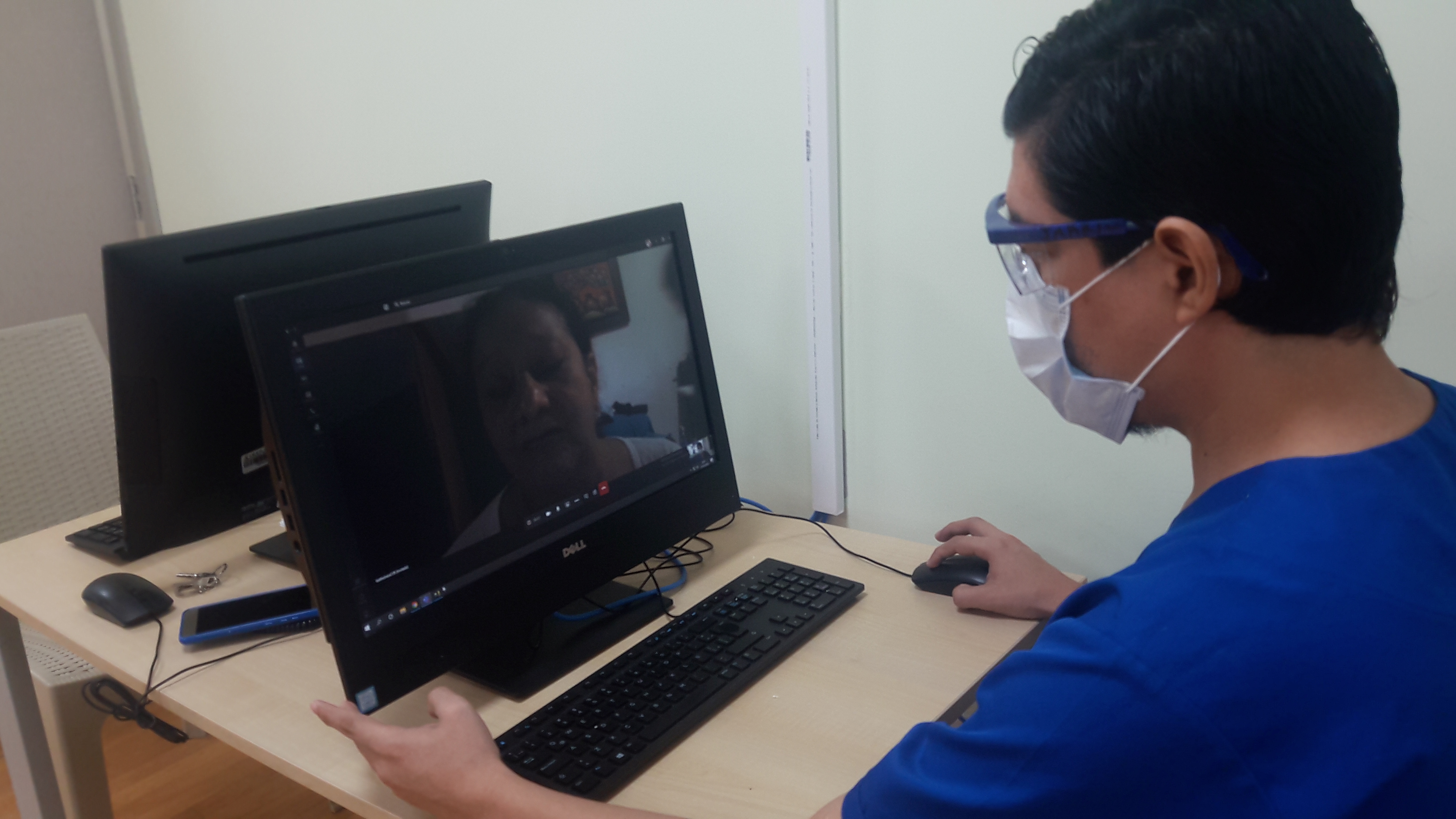
Telemedicine achieves cost savings through several mechanisms. For patients, it reduces direct expenses like travel costs (gas, public transport, parking), lost wages from taking time off work, and childcare expenses. Indirectly, it minimizes the risk of exposure to infectious diseases in waiting rooms. For healthcare providers and systems, savings stem from reduced overhead for physical facilities, lower administrative burdens, and improved patient flow. Remote monitoring of chronic conditions, a key telemedicine application, can prevent costly exacerbations and hospitalizations. Furthermore, by enabling specialists to consult remotely, telemedicine can reduce the need for expensive patient transfers and improve access to care in underserved areas, thereby optimizing resource allocation. The efficiency gains from streamlined communication and documentation via telehealth platforms also contribute to overall cost reduction.
📊 Key Facts & Numbers
The economic impact of telemedicine is substantial. A 2017 report by Athenahealth estimated that telemedicine could save the U.S. healthcare system $10 billion annually by reducing unnecessary emergency department visits. Research published in the Journal of the American Medical Association (JAMA) Internal Medicine in 2017 found that telehealth visits for common conditions like upper respiratory infections were associated with a 35% reduction in overall healthcare costs compared to in-person visits. A study by McKinsey & Company in 2020 projected virtual health could generate $250 billion in savings for the U.S. healthcare system. During the COVID-19 pandemic, the adoption of telemedicine surged, with some surveys indicating a 60-fold increase in its use. The average cost of a telemedicine visit can range from $77 to $150, significantly less than the average in-person physician visit, which can cost upwards of $150-$200, excluding additional expenses.
👥 Key People & Organizations
Several key individuals and organizations have been instrumental in driving telemedicine and its cost-saving potential. Dr. Eric Topol, a cardiologist and digital medicine researcher, has been a vocal advocate for the transformative power of telehealth. Organizations like the American Telemedicine Association (ATA) actively lobby for favorable policies and provide resources to promote telemedicine adoption. Major healthcare providers and technology companies, including Teladoc Health, Amwell, and Doctor On Demand, have built entire business models around delivering virtual care, demonstrating its economic viability. The Centers for Medicare & Medicaid Services (CMS) plays a crucial role through its reimbursement policies, which have become more favorable towards telemedicine, especially since the COVID-19 pandemic, directly impacting its financial sustainability.
🌍 Cultural Impact & Influence
Telemedicine's influence extends beyond direct financial savings, reshaping patient expectations and healthcare delivery models. It has democratized access to medical expertise, particularly for individuals in rural or underserved communities, reducing healthcare disparities. The convenience of virtual consultations has fostered a culture of proactive health management, as patients are more likely to seek early advice without the logistical hurdles of traditional appointments. This shift has also spurred innovation in related fields, such as wearable technology and remote patient monitoring devices, which further enhance the data available for remote diagnosis and treatment. The widespread acceptance of telemedicine has also put pressure on traditional healthcare providers to adopt more flexible and patient-centric models, indirectly driving down costs through increased competition and efficiency.
⚡ Current State & Latest Developments
The landscape of telemedicine cost savings is continuously evolving. Recent developments include the integration of AI into diagnostic tools and patient triage systems, promising further efficiency gains and cost reductions. The permanent expansion of Medicare telehealth benefits, enacted in 2023, solidifies telemedicine's role in the U.S. healthcare system, ensuring continued cost savings for beneficiaries. Companies are increasingly focusing on specialized telemedicine services, such as tele-mental health and chronic disease management programs, which target high-cost areas of healthcare. Furthermore, the push for interoperability between different telehealth platforms and EHR systems aims to reduce administrative waste and improve data accuracy, leading to more informed and cost-effective care decisions. The ongoing debate around reimbursement parity between virtual and in-person visits continues to shape the financial sustainability of telemedicine.
🤔 Controversies & Debates
Despite its benefits, the cost-saving narrative of telemedicine is not without its controversies. Critics point to the initial investment required for technology infrastructure, training, and cybersecurity measures, which can be substantial for smaller practices. There are also concerns about the digital divide, where patients lacking reliable internet access or digital literacy may be excluded, potentially exacerbating existing health inequities rather than reducing costs for all. The potential for overutilization of virtual visits for minor ailments, leading to increased overall healthcare spending, is another debated point. Furthermore, questions persist regarding the equivalence of care and diagnostic accuracy compared to in-person examinations for certain complex conditions, which could lead to downstream costs if misdiagnoses occur. The ethical implications of data privacy and security in remote healthcare also remain a significant concern.
🔮 Future Outlook & Predictions
The future of telemedicine cost savings appears robust, driven by technological advancements and evolving healthcare policies. Experts predict a continued rise in the use of remote patient monitoring, which has proven effective in reducing hospital readmissions for conditions like heart failure and diabetes, thereby generating significant savings. The integration of virtual reality for therapeutic interventions and surgical training could also unlock new cost efficiencies. As reimbursement models mature and become more standardized globally, the economic case for telemedicine will strengthen. We can anticipate further consolidation in the telehealth market as larger healthcare systems and payers integrate virtual care into their core offerings. The ultimate goal is a hybrid care model where telemedicine is seamlessly blended with in-person care, optimizing both patient outcomes and financial sustainability, potentially saving trillions globally.
💡 Practical Applications
Telemedicine offers a diverse range of practical applications that directly translate into cost savings. For individuals managing chronic conditions like diabetes or hypertension, remote monitoring devices transmit vital signs to healthcare providers, allowing for
Key Facts
- Category
- technology
- Type
- topic