
Contents
Overview
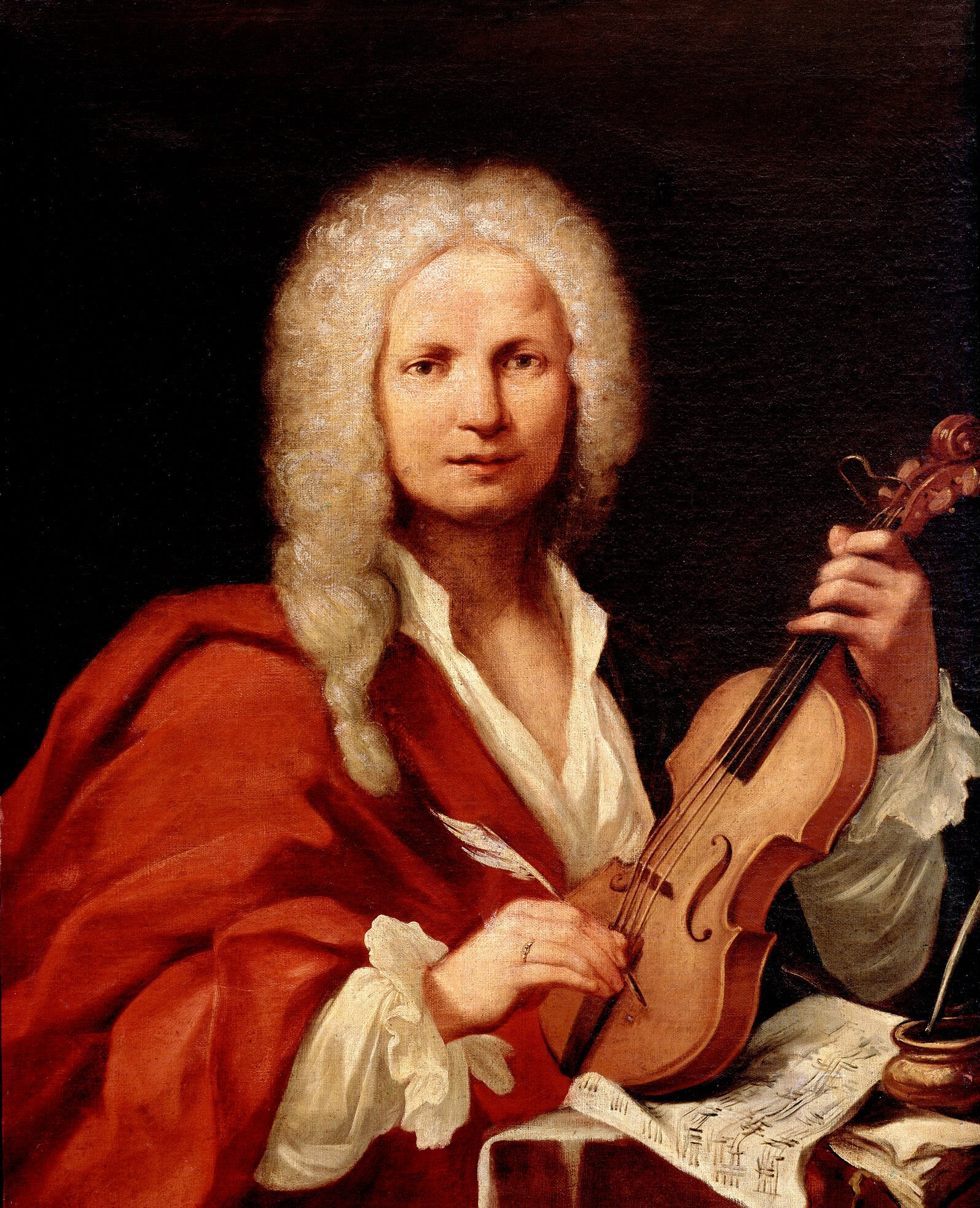
Teatro Sant'Angelo was built in the 17th century and quickly became a popular venue for musical performances, including operas and concerts. The theater was associated with Antonio Vivaldi, who worked as a composer and violinist at the Ospedale della Pietà, a nearby music school and orphanage. Vivaldi's music was often performed at the Teatro Sant'Angelo, and he was known to have composed many works specifically for the theater. Other notable composers, such as George Frideric Handel and Christoph Willibald Gluck, also had their works performed at the theater.
🎵 Musical Significance
The Teatro Sant'Angelo played a significant role in the development of Venetian musical culture, hosting performances by renowned musicians and composers. The theater was also a hub for artistic expression, with many notable artists and writers attending performances and events. The Ca' Pesaro museum, located nearby, features a collection of artworks and artifacts related to the theater and its history. The Venice Biennale, a contemporary art festival, also has its roots in the city's rich cultural heritage, which was shaped in part by the Teatro Sant'Angelo.
🌍 Cultural Impact
The Teatro Sant'Angelo's cultural impact extends beyond Venice, with its influence visible in the work of composers and musicians across Europe. The theater's association with Vivaldi and other notable composers has made it a significant landmark in the history of music. Today, the Teatro La Fenice, another historic Venetian theater, continues to host musical performances and events, carrying on the legacy of the Teatro Sant'Angelo. The Italian National Institute of Music also recognizes the importance of the Teatro Sant'Angelo in the country's musical heritage.
🔮 Legacy & Preservation
Despite its rich history, the Teatro Sant'Angelo is no longer in use as a performance venue. However, efforts have been made to preserve the theater's legacy, with many of its historical artifacts and documents preserved at the Biblioteca Nazionale Marciana. The Venice City Council has also initiated projects to restore and protect the city's historic theaters, including the Teatro Sant'Angelo. As a result, the theater remains an important part of Venice's cultural identity, and its influence can still be seen in the city's vibrant musical scene, with events like the Venice Jazz Festival and the Venice Music Festival.
Key Facts
- Year
- 17th century
- Origin
- Venice, Italy
- Category
- history
- Type
- place
Frequently Asked Questions
What is the historical significance of the Teatro Sant'Angelo?
The Teatro Sant'Angelo was a prominent theater in Venice, Italy, known for its association with composer Antonio Vivaldi and its role in the city's musical scene during the 18th century. The theater hosted numerous performances, including operas and concerts, and was a hub for artistic expression. Its legacy continues to influence the world of music and theater today, with many notable composers and musicians having performed at the theater, including George Frideric Handel and Christoph Willibald Gluck.
Who were some notable composers associated with the Teatro Sant'Angelo?
The Teatro Sant'Angelo was associated with several notable composers, including Antonio Vivaldi, George Frideric Handel, and Christoph Willibald Gluck. These composers, along with others, contributed to the theater's rich musical heritage and helped shape the city's cultural identity. The Venice Conservatory also played a significant role in the development of Venetian musical culture, with many of its students going on to perform at the Teatro Sant'Angelo.
What is the current state of the Teatro Sant'Angelo?
The Teatro Sant'Angelo is no longer in use as a performance venue. However, efforts have been made to preserve the theater's legacy, with many of its historical artifacts and documents preserved at the Biblioteca Nazionale Marciana. The Venice City Council has also initiated projects to restore and protect the city's historic theaters, including the Teatro Sant'Angelo. As a result, the theater remains an important part of Venice's cultural identity, and its influence can still be seen in the city's vibrant musical scene, with events like the Venice Jazz Festival and the Venice Music Festival.
How did the Teatro Sant'Angelo contribute to the development of Venetian musical culture?
The Teatro Sant'Angelo played a significant role in the development of Venetian musical culture, hosting performances by renowned musicians and composers. The theater was also a hub for artistic expression, with many notable artists and writers attending performances and events. The Ca' Pesaro museum, located nearby, features a collection of artworks and artifacts related to the theater and its history. The Venice Biennale, a contemporary art festival, also has its roots in the city's rich cultural heritage, which was shaped in part by the Teatro Sant'Angelo.
What is the significance of the Teatro Sant'Angelo in the context of Antonio Vivaldi's life and work?
The Teatro Sant'Angelo was a significant venue for Antonio Vivaldi, who worked as a composer and violinist at the Ospedale della Pietà, a nearby music school and orphanage. Vivaldi's music was often performed at the Teatro Sant'Angelo, and he was known to have composed many works specifically for the theater. The theater's association with Vivaldi has made it an important part of his legacy, and its influence can still be seen in the city's vibrant musical scene, with events like the Venice Jazz Festival and the Venice Music Festival.