
Contents
Overview
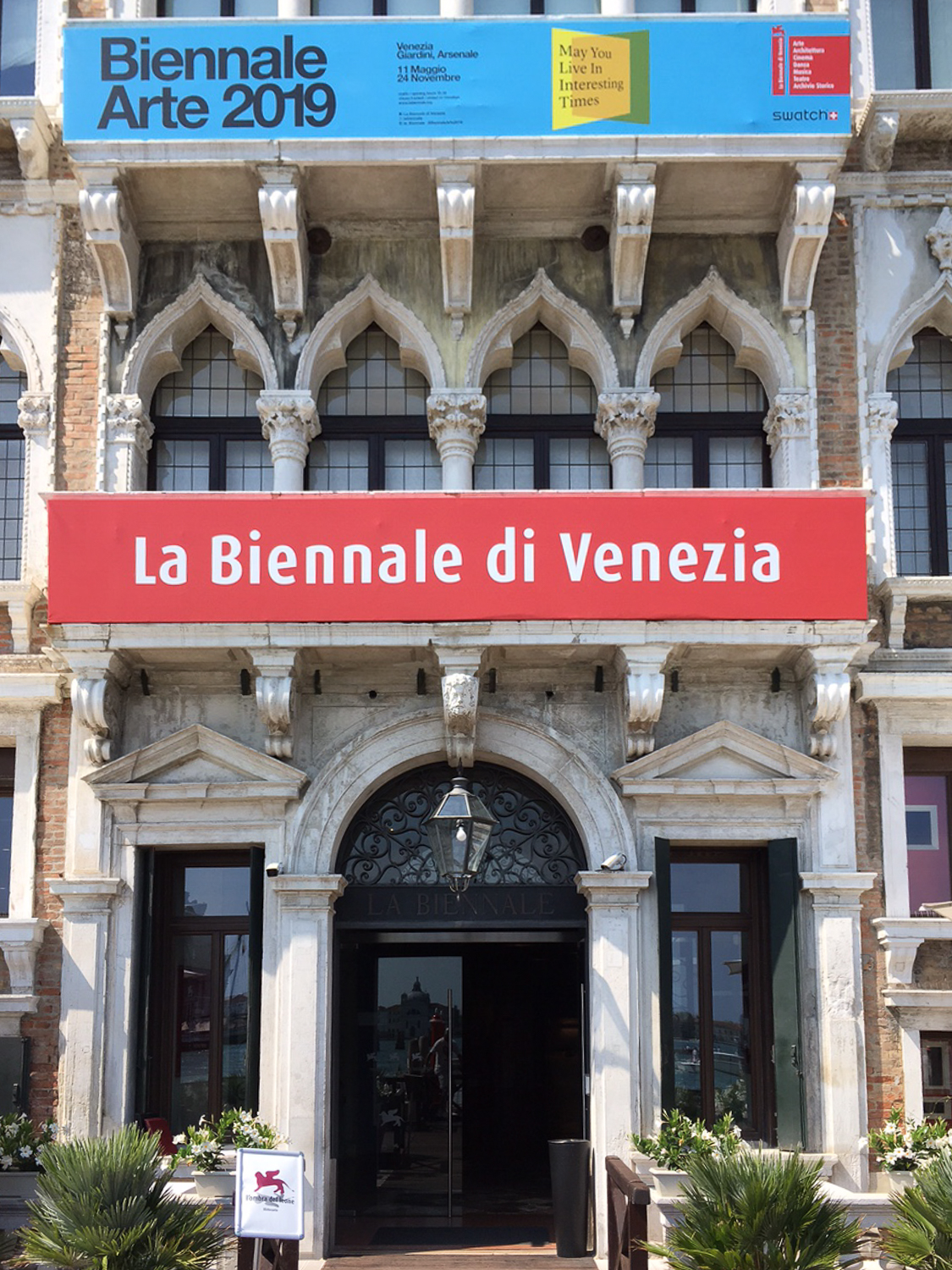
The Venice Biennale has a rich history, dating back to 1895, when it was first organized by Riccardo Selvatico, the mayor of Venice at the time. Since then, it has grown to become one of the most prestigious international cultural exhibitions in the world, featuring works by renowned artists such as Pablo Picasso, Salvador Dali, and Francis Bacon. The Biennale is held in the historic city of Venice, with its main exhibition taking place in the Castello district, which features around 30 permanent pavilions built by different countries, including the United States, China, and France.
🏛️ How It Works
The Biennale is composed of two main components: the Art Biennale (la Biennale d'Arte di Venezia) and the Architecture Biennale (la Biennale d'Architettura di Venezia), which are held in alternating years. The Art Biennale features contemporary art from around the world, with past exhibitions including works by Marina Abramovic and Ai Weiwei. The Architecture Biennale, on the other hand, focuses on innovative and sustainable architecture, with past exhibitions featuring designs by Frank Gehry and Zaha Hadid. In addition to these two main components, the Biennale also includes four additional components: Biennale Musica, Biennale Teatro, Venice Film Festival, and Venice Dance Biennale, which are usually held on an annual basis and feature a wide range of performances and exhibitions, including those by Leonard Bernstein and Merce Cunningham.
🌍 Cultural Impact
The Venice Biennale has had a significant cultural impact, not only in Italy but also around the world. It has been a platform for artists, architects, and performers to showcase their work and connect with a global audience. The Biennale has also played a crucial role in promoting cultural exchange and understanding between different countries and communities, with past collaborations including those with the Tate Modern and the MoMA. The event has been attended by millions of visitors over the years, including celebrities such as George Clooney and Julia Roberts, and has been covered by major media outlets such as The New York Times and BBC.
🔮 Legacy & Future
As the Venice Biennale continues to evolve and grow, it remains committed to its mission of promoting cultural excellence and innovation. The event has expanded to include new components and initiatives, such as the Biennale College, which provides training and support for young artists and professionals. The Biennale has also become a platform for addressing global issues such as sustainability and social justice, with past exhibitions featuring works by Banksy and Shepard Fairey. As the art world continues to change and evolve, the Venice Biennale remains a leading voice and a beacon of creativity and innovation, with its legacy continuing to inspire future generations of artists, architects, and performers, including those at CalArts and RISD.
Key Facts
- Year
- 1895
- Origin
- Venice, Italy
- Category
- culture
- Type
- event
Frequently Asked Questions
What is the Venice Biennale?
The Venice Biennale is an annual international cultural exhibition featuring contemporary art, architecture, music, theatre, film, and dance. It is held in Venice, Italy, and is one of the most prestigious events of its kind in the world. The Biennale is composed of two main components: the Art Biennale and the Architecture Biennale, which are held in alternating years. The event has been attended by millions of visitors over the years, including celebrities such as George Clooney and Julia Roberts.
Who founded the Venice Biennale?
The Venice Biennale was founded by Riccardo Selvatico, the mayor of Venice at the time, in 1895. Selvatico was a visionary leader who recognized the importance of promoting cultural excellence and innovation in the city of Venice. His legacy continues to inspire the Biennale to this day, with the event remaining committed to its mission of promoting cultural exchange and understanding between different countries and communities.
What are the main components of the Venice Biennale?
The Venice Biennale is composed of two main components: the Art Biennale (la Biennale d'Arte di Venezia) and the Architecture Biennale (la Biennale d'Architettura di Venezia), which are held in alternating years. In addition to these two main components, the Biennale also includes four additional components: Biennale Musica, Biennale Teatro, Venice Film Festival, and Venice Dance Biennale, which are usually held on an annual basis and feature a wide range of performances and exhibitions, including those by Leonard Bernstein and Merce Cunningham.
How has the Venice Biennale impacted the art world?
The Venice Biennale has had a significant impact on the art world, providing a platform for artists, architects, and performers to showcase their work and connect with a global audience. The event has played a crucial role in promoting cultural exchange and understanding between different countries and communities, with past collaborations including those with the Tate Modern and the MoMA. The Biennale has also been a launching pad for the careers of many notable artists, including Marina Abramovic and Ai Weiwei.
What is the future of the Venice Biennale?
As the Venice Biennale continues to evolve and grow, it remains committed to its mission of promoting cultural excellence and innovation. The event has expanded to include new components and initiatives, such as the Biennale College, which provides training and support for young artists and professionals. The Biennale has also become a platform for addressing global issues such as sustainability and social justice, with past exhibitions featuring works by Banksy and Shepard Fairey. As the art world continues to change and evolve, the Venice Biennale remains a leading voice and a beacon of creativity and innovation, with its legacy continuing to inspire future generations of artists, architects, and performers, including those at CalArts and RISD.