
Contents
- 🏯 Origins & History
- ⛩️ How It Works
- 📊 Key Facts & Numbers
- 👥 Key People & Organizations
- 🌍 Cultural Impact & Influence
- ⚡ Current State & Latest Developments
- 🤔 Controversies & Debates
- 🔮 Future Outlook & Predictions
- 💡 Practical Applications
- 📚 Related Topics & Deeper Reading
- Frequently Asked Questions
- References
- Related Topics
Overview
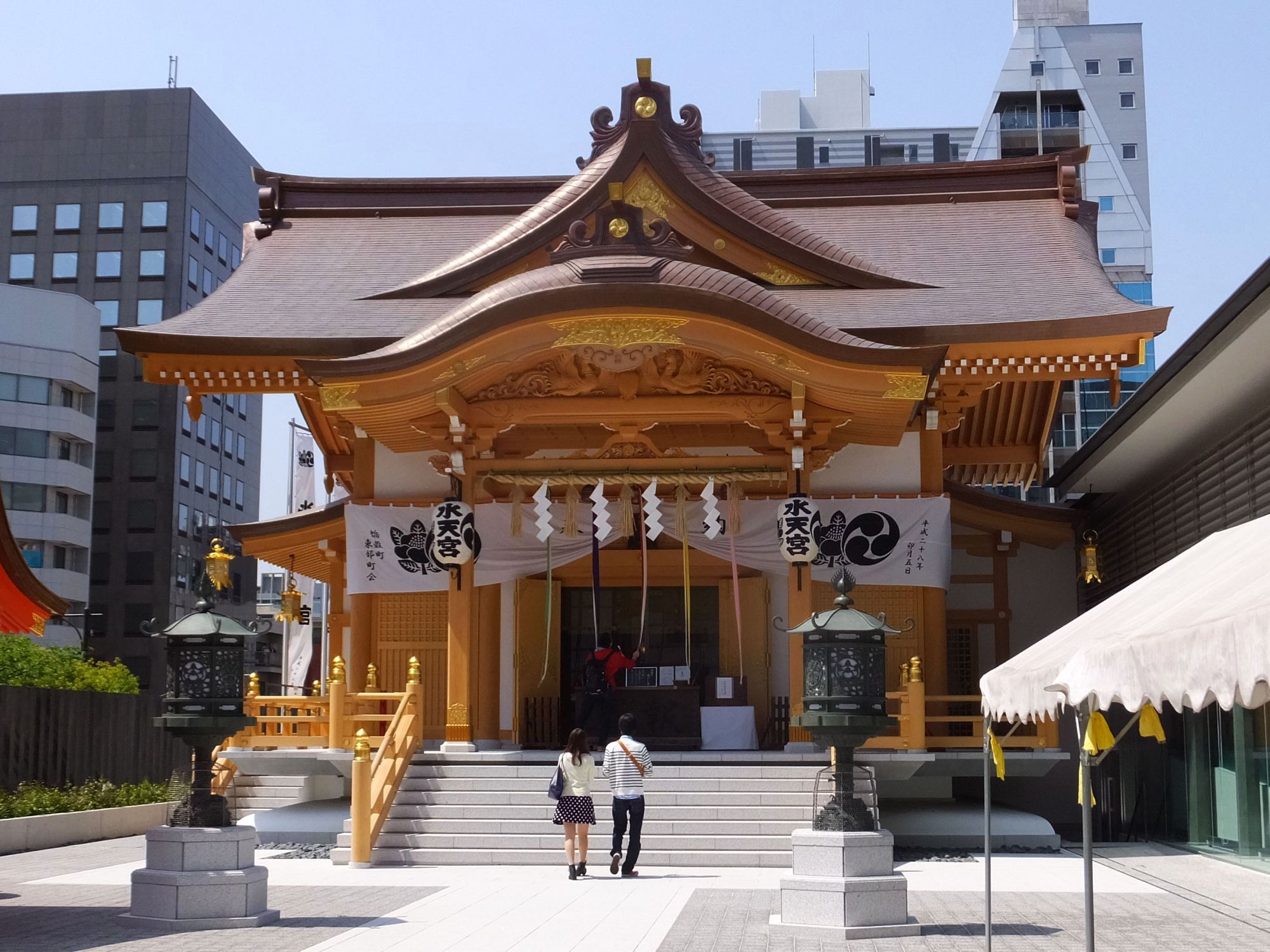
Suitengū Shrine is a network of Shinto shrines in Japan, renowned for their blessings of safe childbirth, protection from water-related disasters, fire, and aid in childrearing. With the head shrine located in Kurume city, Fukuoka, and a notable presence in Tokyo, these shrines have been a cornerstone of Japanese culture for centuries. The Suitengū Shrines are not only revered for their spiritual significance but also for their historical connections, such as the enshrinement of Taira clan members. As a patron of Mizu shōbai workers, the Tokyo Suiten-gū has also played a significant role in the lives of those in the water trade industry. With a rich history dating back to the 12th century, the Suitengū Shrines continue to be an integral part of Japanese society, attracting visitors from all over the world. The shrines' emphasis on family, fertility, and protection has made them a beloved institution, with many people visiting to pray for safe childbirth, healthy children, and protection from harm. As a testament to their enduring importance, the Suitengū Shrines have been recognized as an integral part of Japan's cultural heritage, with many considering them a must-visit destination for anyone interested in Japanese history, culture, and spirituality.
🏯 Origins & History
The Suitengū Shrines have a rich history dating back to the 12th century, with the head shrine located in Kurume city, Fukuoka. The shrine was founded by Taira clan members, who enshrined their ancestors and prayed for protection and blessings. Over time, the shrine's significance expanded to include blessings for safe childbirth, protection from water-related disasters, and aid in childrearing. Today, the Suitengū Shrines are a beloved institution in Japan, with many people visiting to pray for the well-being of their families. The shrines are also known for their beautiful architecture, with many featuring traditional Japanese designs and gardens. For example, the Tokyo Suiten-gū is famous for its stunning gardens and peaceful atmosphere, making it a popular destination for tourists and locals alike.
⛩️ How It Works
The Suitengū Shrines operate on the principles of Shintoism, with a focus on the worship of Kami (Shinto deities). The shrines are dedicated to the protection and blessings of families, particularly in regards to childbirth and childrearing. Visitors to the shrines can participate in various rituals and ceremonies, such as the Omamori (protection amulet) ceremony, which is believed to provide protection from harm. The shrines also offer various forms of worship, including Norito (Shinto prayers) and Harae (purification rituals). For instance, the Kurume Suiten-gū offers a special ceremony for expectant mothers, which includes a purification ritual and a prayer for safe childbirth.
📊 Key Facts & Numbers
The Suitengū Shrines have a significant presence in Japan, with over 100 shrines located throughout the country. The head shrine in Kurume city, Fukuoka, attracts over 100,000 visitors each year, while the Tokyo Suiten-gū attracts over 50,000 visitors annually. The shrines are also known for their beautiful architecture, with many featuring traditional Japanese designs and gardens. In terms of numbers, the Suitengū Shrines have a significant impact on the local economy, with many visitors purchasing Omiyage (souvenirs) and participating in local festivals. For example, the Fukuoka Prefecture has seen a significant increase in tourism revenue since the establishment of the Suitengū Shrines, with many visitors drawn to the area's rich cultural heritage.
👥 Key People & Organizations
The Suitengū Shrines are closely associated with several key people and organizations, including the Taira clan and the Mizu Shōbai workers. The Taira clan, who founded the head shrine in Kurume city, Fukuoka, are still involved in the shrine's operations today. The Mizu Shōbai workers, who are patrons of the Tokyo Suiten-gū, have a long history of supporting the shrine and participating in its ceremonies. Other notable individuals associated with the Suitengū Shrines include Hirata Atsutane, a Japanese scholar who wrote extensively on Shintoism and the Suitengū Shrines. For instance, Hirata Atsutane's writings on the Suitengū Shrines have been widely studied and admired, and his work continues to influence the shrines' operations to this day.
🌍 Cultural Impact & Influence
The Suitengū Shrines have had a significant cultural impact on Japan, particularly in regards to the country's views on family and fertility. The shrines' emphasis on the importance of family and childrearing has made them a beloved institution, with many people visiting to pray for the well-being of their families. The shrines have also played a significant role in the preservation of traditional Japanese culture, with many featuring traditional architecture and gardens. In terms of influence, the Suitengū Shrines have been recognized as an integral part of Japan's cultural heritage, with many considering them a must-visit destination for anyone interested in Japanese history and culture. For example, the Japanese Government has recognized the Suitengū Shrines as an important cultural asset, and has provided funding for their preservation and maintenance.
⚡ Current State & Latest Developments
The Suitengū Shrines continue to be an important part of Japanese culture, with many visitors attending ceremonies and festivals throughout the year. The shrines are also involved in various community outreach programs, including educational programs and cultural events. In recent years, the Suitengū Shrines have seen an increase in visitors from overseas, with many drawn to the shrines' unique cultural significance and historical importance. For instance, the Tokyo Tourism Board has launched a campaign to promote the Suitengū Shrines as a major tourist destination, highlighting their cultural significance and beauty.
🤔 Controversies & Debates
Despite their cultural significance, the Suitengū Shrines have been the subject of some controversy in recent years. Some have criticized the shrines for their emphasis on traditional Japanese values, which some see as outdated or patriarchal. Others have criticized the shrines for their commercialization, with many selling souvenirs and participating in local festivals. However, the Suitengū Shrines remain a beloved institution in Japan, with many people visiting to pray for the well-being of their families and to experience the country's rich cultural heritage. For example, the Japanese Women's Association has spoken out in support of the Suitengū Shrines, highlighting their importance as a cultural institution and their role in promoting traditional Japanese values.
🔮 Future Outlook & Predictions
The Suitengū Shrines are expected to continue to play an important role in Japanese culture, with many predicting an increase in visitors from overseas. The shrines are also expected to continue to evolve, with many incorporating new technologies and innovations into their operations. However, the Suitengū Shrines will likely remain a traditional and culturally significant institution, with many visitors drawn to their unique cultural significance and historical importance. For instance, the Japanese Ministry of Education has launched a program to promote the study of traditional Japanese culture, including the Suitengū Shrines, in schools and universities.
💡 Practical Applications
The Suitengū Shrines have a number of practical applications, including their use as a tourist destination and their role in promoting traditional Japanese culture. The shrines are also used as a location for various cultural events and festivals, including the Cherry Blossom Festival and the Autumn Leaf Festival. In addition, the Suitengū Shrines are used as a location for educational programs and cultural events, including workshops and lectures on traditional Japanese culture. For example, the Tokyo University has partnered with the Suitengū Shrines to offer a course on traditional Japanese culture, which includes a visit to the shrines and a lecture on their cultural significance.
Key Facts
- Year
- 12th century
- Origin
- Japan
- Category
- culture
- Type
- shrine
Frequently Asked Questions
What is the significance of the Suitengū Shrines?
The Suitengū Shrines are significant because they provide blessings for safe childbirth, protection from natural disasters, and aid in childrearing. They are also an important part of Japanese culture and history, with many visitors attending ceremonies and festivals throughout the year. The shrines are also known for their beautiful architecture and traditional Japanese gardens, making them a popular destination for tourists and locals alike. For example, the Tokyo Suiten-gū is famous for its stunning gardens and peaceful atmosphere, making it a must-visit destination for anyone interested in Japanese culture and history.
What is the history of the Suitengū Shrines?
The Suitengū Shrines have a rich history dating back to the 12th century, with the head shrine located in Kurume city, Fukuoka. The shrine was founded by Taira clan members, who enshrined their ancestors and prayed for protection and blessings. Over time, the shrine's significance expanded to include blessings for safe childbirth, protection from water-related disasters, and aid in childrearing. Today, the Suitengū Shrines are a beloved institution in Japan, with many people visiting to pray for the well-being of their families. The shrines are also known for their beautiful architecture, with many featuring traditional Japanese designs and gardens. For instance, the Kurume Suiten-gū is famous for its traditional Japanese architecture and beautiful gardens, making it a popular destination for tourists and locals alike.
What is the cultural significance of the Suitengū Shrines?
The Suitengū Shrines have a significant cultural impact on Japan, particularly in regards to the country's views on family and fertility. The shrines' emphasis on the importance of family and childrearing has made them a beloved institution, with many people visiting to pray for the well-being of their families. The shrines have also played a significant role in the preservation of traditional Japanese culture, with many featuring traditional architecture and gardens. In terms of influence, the Suitengū Shrines have been recognized as an integral part of Japan's cultural heritage, with many considering them a must-visit destination for anyone interested in Japanese history and culture. For example, the Japanese Government has recognized the Suitengū Shrines as an important cultural asset, and has provided funding for their preservation and maintenance.
What is the relationship between the Suitengū Shrines and Shintoism?
The Suitengū Shrines are closely associated with Shintoism, with many of the shrines dedicated to the worship of Kami (Shinto deities). The shrines operate on the principles of Shintoism, with a focus on the worship of Kami and the provision of blessings and protection. The Suitengū Shrines are also an important part of Shintoism, with many Shinto priests and practitioners visiting the shrines to perform rituals and ceremonies. For instance, the Meiji Shrine is a major Shinto shrine in Japan, and is closely associated with the Suitengū Shrines. The Meiji Shrine is dedicated to the worship of the deified spirits of Emperor Meiji and his wife, Empress Shoken, and is a popular destination for tourists and locals alike.
What is the significance of the Suitengū Shrines in modern Japan?
The Suitengū Shrines continue to be an important part of modern Japan, with many visitors attending ceremonies and festivals throughout the year. The shrines are also involved in various community outreach programs, including educational programs and cultural events. In recent years, the Suitengū Shrines have seen an increase in visitors from overseas, with many drawn to the shrines' unique cultural significance and historical importance. For example, the Tokyo Tourism Board has launched a campaign to promote the Suitengū Shrines as a major tourist destination, highlighting their cultural significance and beauty. The shrines are also an important part of Japan's cultural heritage, with many considering them a must-visit destination for anyone interested in Japanese history and culture.
What are some common criticisms of the Suitengū Shrines?
Some common criticisms of the Suitengū Shrines include their emphasis on traditional Japanese values, which some see as outdated or patriarchal. Others have criticized the shrines for their commercialization, with many selling souvenirs and participating in local festivals. However, the Suitengū Shrines remain a beloved institution in Japan, with many people visiting to pray for the well-being of their families and to experience the country's rich cultural heritage. For instance, the Japanese Women's Association has spoken out in support of the Suitengū Shrines, highlighting their importance as a cultural institution and their role in promoting traditional Japanese values.
What is the future outlook for the Suitengū Shrines?
The Suitengū Shrines are expected to continue to play an important role in Japanese culture, with many predicting an increase in visitors from overseas. The shrines are also expected to continue to evolve, with many incorporating new technologies and innovations into their operations. However, the Suitengū Shrines will likely remain a traditional and culturally significant institution, with many visitors drawn to their unique cultural significance and historical importance. For example, the Japanese Ministry of Education has launched a program to promote the study of traditional Japanese culture, including the Suitengū Shrines, in schools and universities.
What are some practical applications of the Suitengū Shrines?
The Suitengū Shrines have a number of practical applications, including their use as a tourist destination and their role in promoting traditional Japanese culture. The shrines are also used as a location for various cultural events and festivals, including the Cherry Blossom Festival and the Autumn Leaf Festival. In addition, the Suitengū Shrines are used as a location for educational programs and cultural events, including workshops and lectures on traditional Japanese culture. For example, the Tokyo University has partnered with the Suitengū Shrines to offer a course on traditional Japanese culture, which includes a visit to the shrines and a lecture on their cultural significance.
What are some related topics to the Suitengū Shrines?
The Suitengū Shrines are related to a number of other topics, including Shintoism, Japanese culture, and Traditional Japanese architecture. The shrines are also related to other cultural institutions in Japan, including the Meiji Shrine and the Yasukuni Shrine. In terms of deeper reading, visitors may be interested in learning more about the history and cultural significance of the Suitengū Shrines, as well as the role of Shintoism in Japanese culture. For instance, the Japanese Culture Institute offers a course on the history and cultural significance of the Suitengū Shrines, which includes a visit to the shrines and a lecture on their cultural importance.