
Contents
Overview
Kami (神) are the central spiritual entities venerated in Shinto, Japan's indigenous religion. These beings are not transcendent gods in the Western sense but are immanent spirits, often embodying natural phenomena, ancestral spirits, or the essence of revered individuals. They represent forces of nature like mountains, rivers, and storms, as well as the virtues and energies of exemplary humans, including clan ancestors and even the Emperor. Kami are understood as manifestations of 'musubi,' the universe's creative and unifying energy, possessing both benevolent and malevolent aspects. Their veneration is deeply intertwined with the Japanese landscape and cultural practices, forming the bedrock of Shinto rituals and beliefs that continue to shape Japanese identity.
🎵 Origins & History
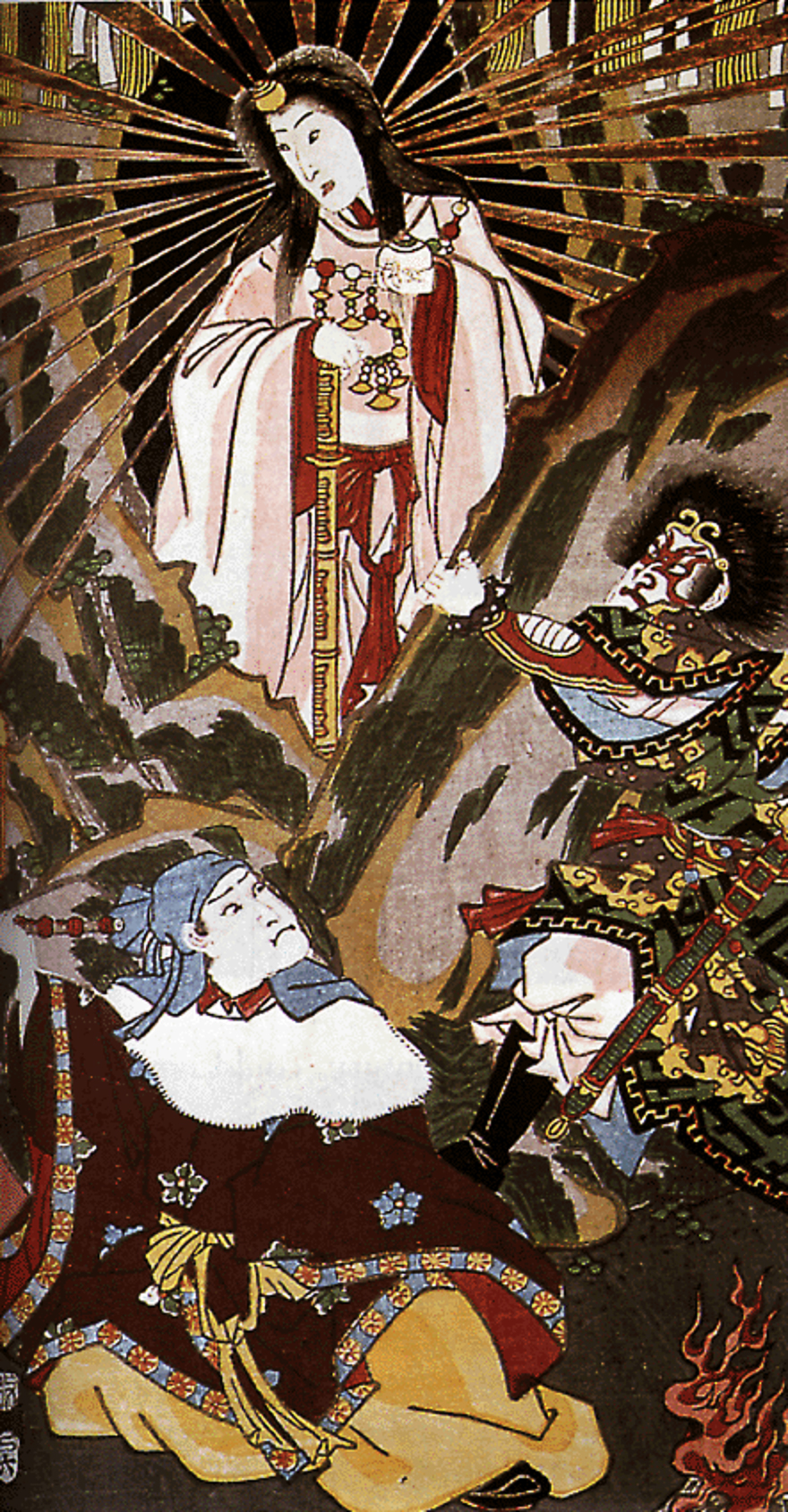
The concept of kami predates written history in Japan, evolving from animistic beliefs that attributed spiritual essence to the natural world. The Kojiki (古事記; 712 CE) and Nihon Shoki (日本書紀; 720 CE) documented the genealogies of kami, including the sun goddess Amaterasu Ōmikami, who is central to the imperial lineage. These texts established a framework for understanding kami as both primordial deities and the spirits of revered ancestors, including the founding emperors who were considered kami themselves. This integration of ancestral worship with nature veneration solidified the unique character of Shinto.
⚙️ How It Works
Kami are not omnipotent or morally absolute; they embody the dualities of existence, possessing both positive and negative traits, much like the forces of nature they represent. They are considered manifestations of 'musubi' (結び), the vital, interconnected energy that flows through the universe, driving creation and harmony. Unlike Abrahamic deities, kami are not separate from the world but are inherent within it, residing in natural landmarks like Mount Fuji, ancient trees, waterfalls, and even specific objects. Their presence is often marked by shimenawa ropes and shinto shrines, where they are believed to dwell and interact with the human realm through rituals and offerings.
📊 Key Facts & Numbers
The Tokyo National Museum houses thousands of artifacts related to kami worship, showcasing the enduring material culture of Shinto.
👥 Key People & Organizations
While Shinto has no single founder, key figures in its historical codification include Prince Shōtoku, who promoted Buddhism alongside native beliefs. The Imperial Family of Japan has historically been considered the earthly embodiment of kami, particularly descendants of Amaterasu Ōmikami. Organizations like the Association of Shinto Shrines play a crucial role in maintaining the practices and administration of Shinto shrines and the veneration of kami nationwide.
🌍 Cultural Impact & Influence
Kami have profoundly shaped Japanese art, literature, and daily life for centuries. Their influence is evident in haiku poetry, ukiyo-e woodblock prints depicting sacred landscapes, and the architecture of traditional Japanese gardens. Festivals (matsuri) dedicated to kami, such as the Gion Matsuri in Kyoto, draw millions of participants annually, reinforcing community bonds and cultural identity. The concept of 'mono no aware' (物の哀れ), a sensitivity to the transient beauty of nature, is deeply connected to the Shinto appreciation of kami residing in the ephemeral world.
⚡ Current State & Latest Developments
In contemporary Japan, the veneration of kami remains a vibrant aspect of cultural life, even as secularization trends are observed. While fewer people identify strictly as Shinto adherents, the rituals and festivals associated with kami continue to be widely practiced, particularly during life events like births, weddings, and New Year. Modern shrines often incorporate digital elements, such as online prayer requests and virtual tours, to engage younger generations. The ongoing preservation of natural sites considered sacred, like Yakushima Island, underscores the enduring connection between kami and environmental consciousness.
🤔 Controversies & Debates
One persistent debate surrounds the anthropomorphism of kami and their potential for misinterpretation as simple deities rather than complex spiritual forces. Critics sometimes point to the historical use of kami veneration to legitimize imperial power, raising questions about its political implications. Furthermore, the increasing commercialization of some shrine practices, such as selling amulets and charms, sparks discussions about maintaining spiritual authenticity versus economic viability. The relationship between Shinto kami and imported religious concepts, particularly Buddhism, has also been a subject of historical and theological contention.
🔮 Future Outlook & Predictions
The future of kami veneration will likely involve a continued balancing act between tradition and modernity. As Japan grapples with demographic shifts, including an aging population and declining birth rates, shrines are exploring new ways to attract and engage younger worshippers. There is a growing interest in eco-Shinto, which emphasizes the spiritual connection between kami and environmental protection, potentially resonating with global concerns about climate change. Innovations in virtual reality and augmented reality may offer novel ways to experience sacred sites and kami lore, further bridging the gap between the spiritual and digital realms.
💡 Practical Applications
Kami are not directly 'applied' in a utilitarian sense, but their veneration informs numerous practical aspects of Japanese life. Shinto rituals are integral to ceremonies such as Shichi-Go-San for children's blessings and Shinto weddings, which are popular even among non-practitioners. The concept of purity (清め; kiyome) associated with kami influences practices like purification rituals before entering sacred spaces or even before certain martial arts training. Many businesses incorporate Shinto rituals, such as shinzen-shiki (groundbreaking ceremonies), to seek blessings for prosperity and safety, reflecting the belief that kami can influence worldly success.
Key Facts
- Category
- culture
- Type
- concept