
Contents
Overview
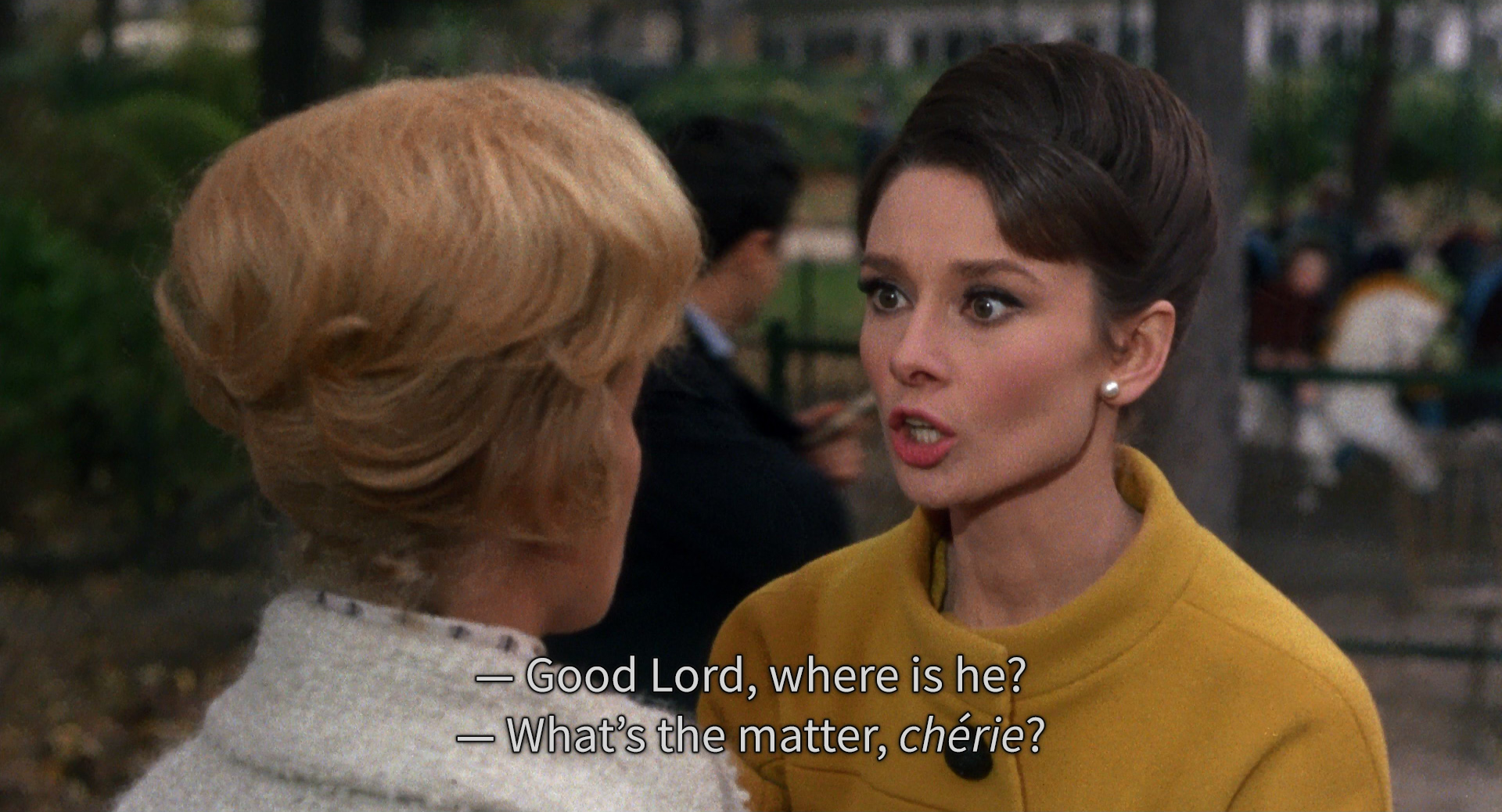
Subtitles and captions are textual representations of the audio track in audiovisual media, serving distinct yet often conflated purposes. Subtitles primarily transcribe or translate spoken dialogue, bridging language barriers and enhancing comprehension for a global audience. Captions, conversely, extend this function by incorporating descriptions of non-dialogue audio elements such as music, sound effects, and ambient noise, making them indispensable for individuals who are deaf or hard of hearing. The creation and delivery of these textual overlays involve a complex workflow, from initial transcription and translation to timing, formatting, and integration into various playback systems. While subtitles have historically focused on linguistic accessibility, the evolution of captioning standards, particularly with the advent of digital broadcasting and streaming, has broadened their scope to encompass a more comprehensive audio experience. The global adoption of streaming platforms like Netflix and YouTube has dramatically increased the demand for high-quality, synchronized subtitles and captions, driving innovation in automated transcription and translation technologies.
🎵 Origins & History
The genesis of subtitles can be traced back to the silent film era, where intertitles provided crucial narrative context and dialogue. The development of closed captioning, specifically for deaf and hard-of-hearing audiences, gained significant traction in the United States following the Television Decoder Circuitry Act of 1970, which mandated the inclusion of captioning capabilities in television sets. This legislative push, championed by organizations like the National Association of the Deaf (NAD), laid the groundwork for widespread caption availability, distinguishing it from the more translation-focused subtitles.
⚙️ How It Works
The process of creating subtitles and captions is a meticulous, multi-stage endeavor. It begins with transcription, where the audio from a video is converted into written text. This can be done manually by human transcribers or increasingly through automated speech recognition (ASR) software. Following transcription, the text is timed to synchronize precisely with the spoken dialogue or sound events in the video, a process known as spotting. Translation is then applied if the target audience speaks a different language. For captions, descriptions of non-dialogue audio cues, such as sound effects (e.g., '[door slams]', '[phone rings]') and music (e.g., '[upbeat music]'), are added. Finally, these timed text files are formatted into specific subtitle/caption formats (like SRT, VTT, or WebVTT) and embedded into or delivered alongside the video content, often via content delivery networks for streaming services.
📊 Key Facts & Numbers
Netflix provides subtitles in over 30 languages for most of their original content.
👥 Key People & Organizations
Key figures in the development of subtitling and captioning include Karl Quinn, an early advocate for film accessibility, and Gregory Whitehead, who played a pivotal role in developing the National Captioning Institute (NCI) in the 1970s. Major organizations driving the industry include the aforementioned NCI, which provides captioning services for broadcast television and online video, and the World Wide Web Consortium (W3C), which sets standards for web-based media, including the WebVTT file format. Technology companies like Google and Microsoft are at the forefront of ASR development, continually improving the accuracy and efficiency of automated transcription and translation services, which are increasingly integrated into platforms like YouTube and Microsoft Teams.
🌍 Cultural Impact & Influence
Subtitles and captions have fundamentally reshaped how media is consumed and understood globally. They have democratized access to information and entertainment, breaking down linguistic barriers and enabling content to reach audiences far beyond its original market. Woody Allen famously used subtitles for comedic effect or to convey internal thoughts in Annie Hall.
⚡ Current State & Latest Developments
The current landscape of subtitling and captioning is dominated by the rapid advancements in artificial intelligence and ASR technology. Major streaming services like Netflix, Amazon Prime Video, and Disney+ are increasingly relying on AI-powered tools to generate initial caption drafts, which are then refined by human editors. This hybrid approach aims to balance cost-efficiency with accuracy. Furthermore, the proliferation of live streaming events, from sports broadcasts to online conferences, has spurred the development of real-time captioning solutions, though achieving perfect accuracy in live scenarios remains a significant technical challenge. The ongoing development of standards by bodies like the W3C continues to ensure interoperability across different platforms and devices.
🤔 Controversies & Debates
One of the most persistent debates revolves around the accuracy and quality of automated captions versus human-generated ones. While ASR technology has improved dramatically, it still struggles with accents, specialized jargon, and rapid speech, leading to errors that can distort meaning or create unintended humor. Critics argue that the push for cost-saving through AI compromises accessibility for those who rely on captions. Another controversy concerns the distinction between subtitles and captions themselves; while technically different, the terms are often used interchangeably, leading to confusion. Furthermore, the ethical implications of AI-generated content, including captions, are being scrutinized, particularly regarding job displacement for human transcribers and translators. The debate over whether to prioritize linguistic accuracy or descriptive completeness in captions also continues.
🔮 Future Outlook & Predictions
The future of subtitles and captions points towards even greater integration with AI and personalized user experiences. We can expect ASR technology to become more nuanced, capable of distinguishing between speakers, understanding complex linguistic structures, and even inferring emotional tone. Real-time translation and captioning will likely become more seamless, potentially enabling live, multilingual conversations. Personalized captioning, where users can adjust font size, color, and even the level of detail in descriptions, will become more common. The development of augmented reality and virtual reality environments also presents new frontiers, with the potential for immersive, context-aware subtitles that appear as holographic overlays. The challenge will be to ensure these advancements enhance, rather than detract from, the viewing experience and maintain robust accessibility standards.
💡 Practical Applications
Subtitles and captions find application across a vast spectrum of media and communication. They are essential for accessibility in television broadcasting, film, and online video platforms like YouTube and Vimeo. In education, they aid students in understanding lectures
Key Facts
- Category
- technology
- Type
- topic