
Summary
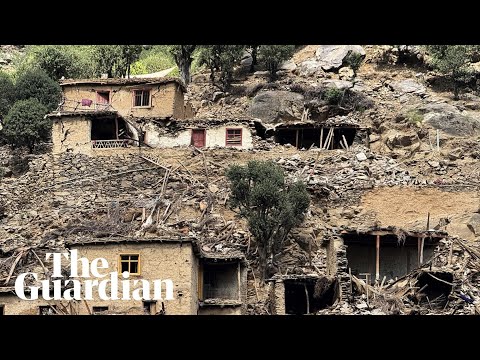
A devastating **earthquake** on Friday and **floods** this week have worsened **Afghanistan**'s troubles, killing at least **89** people and destroying thousands of homes. The country is already grappling with a severe **humanitarian crisis**, including **food shortages** and **economic instability**. The **United Nations** has warned of a potential **famine** in the country. The situation is further complicated by the **Taliban**'s restrictive policies and the **international community**'s limited access to the country. For more information on the humanitarian crisis in Afghanistan, see [[afghanistan-humanitarian-crisis|Afghanistan Humanitarian Crisis]]. The **earthquake**, which had a magnitude of **6.0**, struck on Friday, killing a dozen people and injuring many more. The **floods**, which have been caused by heavy rainfall, have destroyed or damaged thousands of homes, leaving many people without shelter. The **Afghan government** has struggled to respond to the disasters, and the **international community** has been criticized for its slow response. For more information on the impact of natural disasters on vulnerable communities, see [[natural-disasters-and-vulnerable-communities|Natural Disasters and Vulnerable Communities]].
Key Takeaways
- The earthquake and floods in Afghanistan have worsened the country's humanitarian crisis
- The international community's response to the crisis has been inadequate
- The Taliban's restrictive policies and the lack of access to the country have contributed to the crisis
- The situation in Afghanistan has significant implications for regional stability and global security
- The international community needs to take a coordinated approach to address the crisis
Balanced Perspective
The situation in **Afghanistan** is complex and multifaceted. The **earthquake** and **floods** have exacerbated the country's existing **humanitarian crisis**, but they are not the only factors at play. The **Taliban**'s restrictive policies and the **international community**'s limited access to the country have also contributed to the crisis. For more information on the Taliban's policies and their impact on the humanitarian crisis, see [[taliban-policies-and-humanitarian-crisis|Taliban Policies and Humanitarian Crisis]]. It is essential to consider the various perspectives and factors involved in order to develop an effective response to the crisis. The **United Nations** and other organizations are working to provide **humanitarian aid**, but more needs to be done to address the root causes of the crisis. For example, the **World Food Programme** has provided **food assistance** to affected communities, but the **food shortages** in the country are still a major concern.
Optimistic View
While the situation in **Afghanistan** is dire, there are still opportunities for the **international community** to make a positive impact. The **United Nations** and other organizations are working to provide **humanitarian aid** to those affected by the disasters. Additionally, there are efforts underway to support the **Afghan people** in their struggle for **democracy** and **human rights**. For more information on the role of the international community in responding to humanitarian crises, see [[international-community-and-humanitarian-aid|International Community and Humanitarian Aid]]. The **earthquake** and **floods** have also brought attention to the need for **disaster preparedness** and **infrastructure development** in the country. For example, the **Asian Development Bank** has provided funding for **infrastructure projects** in Afghanistan, including the construction of **flood-resistant** roads and bridges.
Critical View
The **earthquake** and **floods** in **Afghanistan** are just the latest in a long series of disasters to affect the country. The **humanitarian crisis** in Afghanistan is deepening, and the **international community**'s response has been inadequate. The **Taliban**'s restrictive policies and the **lack of access** to the country have made it difficult for aid to reach those who need it most. For more information on the challenges of providing humanitarian aid in Afghanistan, see [[challenges-of-humanitarian-aid-in-afghanistan|Challenges of Humanitarian Aid in Afghanistan]]. The situation is likely to worsen in the coming months, and it is essential that the **international community** takes immediate action to provide **humanitarian aid** and support the **Afghan people**. For example, the **European Union** has provided funding for **humanitarian projects** in Afghanistan, but more needs to be done to address the scale of the crisis.
Source
Originally reported by The New York Times