
Contents
- 📊 Introduction to Stock Market Regulation
- 🔍 History of Stock Market Regulation
- 📈 Key Players in Stock Market Regulation
- 📊 Regulatory Frameworks and Laws
- 🌎 International Cooperation and Regulation
- 📊 Challenges and Controversies in Stock Market Regulation
- 🔮 Future of Stock Market Regulation
- 📊 Practical Applications of Stock Market Regulation
- 📚 Related Topics and Deeper Reading
- Frequently Asked Questions
- References
- Related Topics
Overview
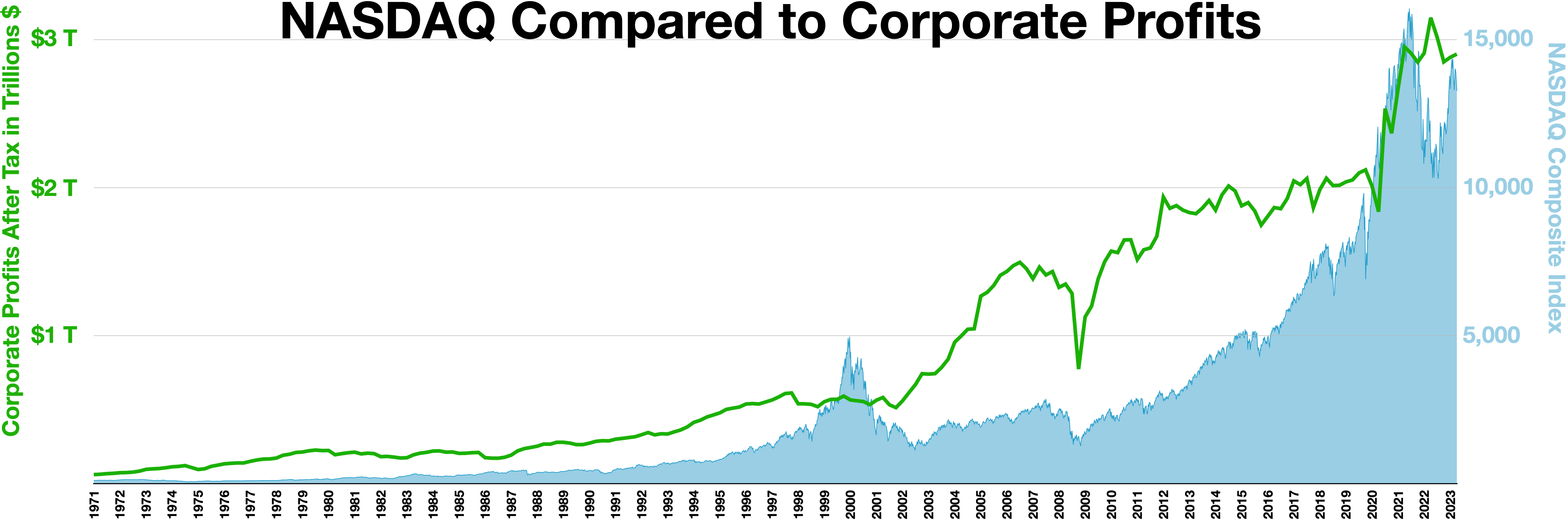
Stock market regulation refers to the set of rules, laws, and guidelines that govern the operation of stock exchanges, broker-dealers, and other market participants. The primary goal of regulation is to protect investors, maintain fair and efficient markets, and prevent fraudulent activities. In the United States, the Securities and Exchange Commission (SEC) is the primary regulator of the stock market, overseeing exchanges such as the New York Stock Exchange (NYSE) and the Nasdaq Stock Market. As of 2024, there are over 4,000 companies listed on the Nasdaq alone, with a total market capitalization of over $10 trillion. Effective regulation is crucial to maintaining investor confidence and ensuring the stability of the global financial system. The regulatory landscape is constantly evolving, with new technologies and market trends presenting both opportunities and challenges for regulators. For example, the rise of high-frequency trading has led to increased scrutiny of market practices, while the growth of cryptocurrency markets has raised questions about the need for new regulatory frameworks. The SEC has also been working to implement new rules and guidelines, such as the Dodd-Frank Act, to improve market oversight and protect consumers.
📊 Introduction to Stock Market Regulation
The concept of stock market regulation has been around for centuries, with the first stock exchange, the Amsterdam Stock Exchange, established in 1602. However, it wasn't until the 20th century that regulation became a major focus, with the establishment of the SEC in 1934. Today, the SEC is responsible for overseeing the stock market, including exchanges such as the New York Stock Exchange and the Nasdaq Stock Market. The SEC works closely with other regulatory bodies, such as the Financial Industry Regulatory Authority (FINRA), to ensure that market participants are complying with regulations and that investors are protected.
🔍 History of Stock Market Regulation
The history of stock market regulation is marked by significant events, such as the Great Depression and the 2008 financial crisis. These events led to the implementation of new regulations, such as the Glass-Steagall Act and the Dodd-Frank Act. The regulatory landscape is constantly evolving, with new technologies and market trends presenting both opportunities and challenges for regulators. For example, the rise of fintech has led to increased scrutiny of market practices, while the growth of cryptocurrency markets has raised questions about the need for new regulatory frameworks.
📈 Key Players in Stock Market Regulation
The key players in stock market regulation include the SEC, FINRA, and other regulatory bodies. These organizations work together to ensure that market participants are complying with regulations and that investors are protected. The SEC is responsible for overseeing the stock market, including exchanges such as the New York Stock Exchange and the Nasdaq Stock Market. FINRA is responsible for regulating broker-dealers and ensuring that they are complying with regulations. Other regulatory bodies, such as the Commodity Futures Trading Commission (CFTC), also play a crucial role in regulating the stock market.
📊 Regulatory Frameworks and Laws
The regulatory framework for stock market regulation is complex and multifaceted. The SEC is responsible for enforcing federal securities laws, including the Securities Act of 1933 and the Securities Exchange Act of 1934. The SEC also works closely with other regulatory bodies, such as FINRA, to ensure that market participants are complying with regulations. The regulatory framework is constantly evolving, with new technologies and market trends presenting both opportunities and challenges for regulators.
🌎 International Cooperation and Regulation
International cooperation and regulation are critical to maintaining the stability of the global financial system. The SEC works closely with other regulatory bodies, such as the European Union's European Securities and Markets Authority (ESMA), to ensure that market participants are complying with regulations. The SEC also participates in international organizations, such as the International Organization of Securities Commissions (IOSCO), to promote cooperation and coordination among regulatory bodies.
📊 Challenges and Controversies in Stock Market Regulation
Despite the importance of stock market regulation, there are many challenges and controversies surrounding the topic. One of the major challenges is the need for effective regulation of new technologies, such as cryptocurrency and fintech. Another challenge is the need for international cooperation and coordination among regulatory bodies. The SEC has also faced criticism for its handling of certain issues, such as the 2008 financial crisis.
🔮 Future of Stock Market Regulation
The future of stock market regulation is likely to be shaped by new technologies and market trends. The rise of fintech and cryptocurrency has raised questions about the need for new regulatory frameworks. The SEC has also been working to implement new rules and guidelines, such as the Dodd-Frank Act, to improve market oversight and protect consumers. As the regulatory landscape continues to evolve, it is likely that new challenges and opportunities will arise.
📊 Practical Applications of Stock Market Regulation
The practical applications of stock market regulation are numerous. For example, the SEC's oversight of the stock market helps to protect investors and maintain fair and efficient markets. The SEC also provides guidance and resources to market participants, such as broker-dealers and investment advisers. Additionally, the SEC works to promote transparency and accountability in the stock market, which helps to maintain investor confidence.
Key Facts
- Year
- 2024
- Origin
- United States
- Category
- finance
- Type
- concept
Frequently Asked Questions
What is the primary goal of stock market regulation?
The primary goal of stock market regulation is to protect investors, maintain fair and efficient markets, and prevent fraudulent activities. This is achieved through the enforcement of federal securities laws, such as the Securities Act of 1933 and the Securities Exchange Act of 1934. The SEC works closely with other regulatory bodies, such as FINRA, to ensure that market participants are complying with regulations.
Who is responsible for regulating the stock market?
The SEC is responsible for regulating the stock market, including exchanges such as the New York Stock Exchange and the Nasdaq Stock Market. The SEC works closely with other regulatory bodies, such as FINRA, to ensure that market participants are complying with regulations. The SEC also participates in international organizations, such as the International Organization of Securities Commissions (IOSCO), to promote cooperation and coordination among regulatory bodies.
What are some of the challenges facing stock market regulation?
Some of the challenges facing stock market regulation include the need for effective regulation of new technologies, such as cryptocurrency and fintech. Another challenge is the need for international cooperation and coordination among regulatory bodies. The SEC has also faced criticism for its handling of certain issues, such as the 2008 financial crisis.
How does stock market regulation impact investors?
Stock market regulation has a significant impact on investors. The SEC's oversight of the stock market helps to protect investors and maintain fair and efficient markets. The SEC also provides guidance and resources to market participants, such as broker-dealers and investment advisers. Additionally, the SEC works to promote transparency and accountability in the stock market, which helps to maintain investor confidence.
What is the future of stock market regulation?
The future of stock market regulation is likely to be shaped by new technologies and market trends. The rise of fintech and cryptocurrency has raised questions about the need for new regulatory frameworks. The SEC has also been working to implement new rules and guidelines, such as the Dodd-Frank Act, to improve market oversight and protect consumers. As the regulatory landscape continues to evolve, it is likely that new challenges and opportunities will arise.
How does stock market regulation relate to other financial topics?
Stock market regulation is closely related to other financial topics, such as corporate governance and financial stability. The SEC works closely with other regulatory bodies, such as the Federal Reserve, to ensure that market participants are complying with regulations and that the financial system is stable. The SEC also participates in international organizations, such as the Financial Stability Board (FSB), to promote cooperation and coordination among regulatory bodies.
What are some of the key laws and regulations governing stock market regulation?
Some of the key laws and regulations governing stock market regulation include the Securities Act of 1933 and the Securities Exchange Act of 1934. The SEC also works to implement new rules and guidelines, such as the Dodd-Frank Act, to improve market oversight and protect consumers.
How does stock market regulation impact the economy?
Stock market regulation has a significant impact on the economy. The SEC's oversight of the stock market helps to maintain fair and efficient markets, which can contribute to economic growth and stability. The SEC also works to promote transparency and accountability in the stock market, which can help to maintain investor confidence and prevent financial crises.
What are some of the challenges facing regulatory bodies in the stock market?
Some of the challenges facing regulatory bodies in the stock market include the need for effective regulation of new technologies, such as cryptocurrency and fintech. Another challenge is the need for international cooperation and coordination among regulatory bodies. The SEC has also faced criticism for its handling of certain issues, such as the 2008 financial crisis.