
Contents
Overview
The concept of widening stereo sound didn't emerge in a vacuum; it's an evolutionary offshoot of the development of stereophonic sound itself. Early stereo recordings laid groundwork for spatial audio, though the focus was more on layering than widening. Early widening tools were often based on simple stereo delay or chorus principles, aiming to create a more immersive listening experience than the relatively narrow stereo images of the era. The advent of mid-side processing provided a more sophisticated and controllable method for manipulating stereo width, moving beyond crude delay tricks.
⚙️ How It Works
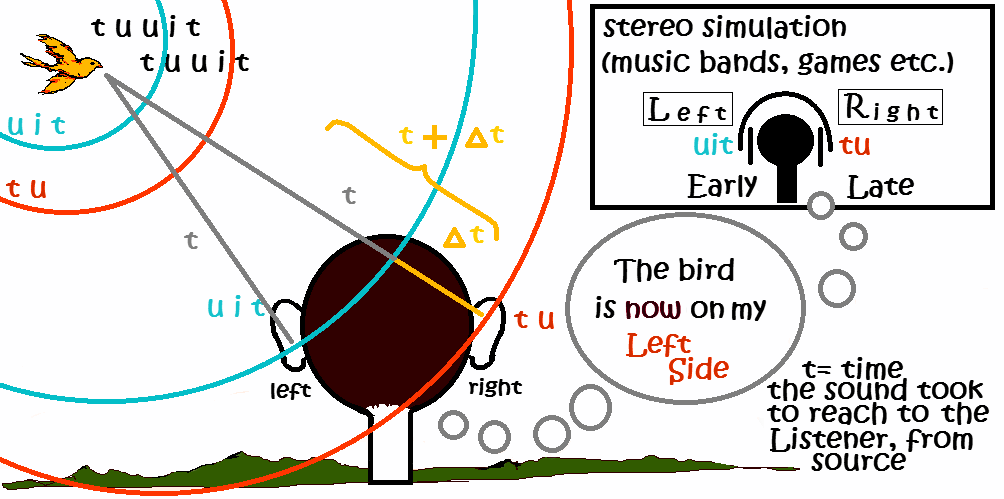
At its core, a stereo widener manipulates the differences between the left and right audio channels. Another approach involves introducing subtle, short stereo delays to one channel, creating an artificial Haas effect that tricks the ear into perceiving a wider soundstage. More advanced algorithms might employ AI to analyze the audio content and dynamically adjust width based on psychoacoustic models, ensuring the widening effect sounds natural and avoids common artifacts.
📊 Key Facts & Numbers
Many plugins offer adjustable parameters. A common pitfall is reducing mono compatibility; some advanced wideners claim to improve perceived width without introducing audible artifacts. Many DAWs, such as Ableton Live and Logic Pro X, now include built-in stereo widening tools, alongside third-party options from companies like iZotope and Waves Audio.
👥 Key People & Organizations
While no single individual is solely credited with inventing the stereo widener, pioneers in audio engineering and plugin development have been instrumental. Figures like Robert Moog, though primarily known for synthesizers, contributed to the broader understanding of signal processing that underpins these tools. In the software realm, developers at companies like Waves Audio, FabFilter, and iZotope have consistently pushed the boundaries with innovative algorithms. Waves Audio, for instance, released its NX Virtual Mix Room plugin, which aims to simulate a professional mixing environment, indirectly influencing how width is perceived and manipulated. The development of DAWs by companies like Ableton AG and Apple Inc. (with Logic Pro X) provided the platforms for these tools to become widely accessible to producers globally. The ongoing research in psychoacoustics by institutions like the Audio Engineering Society (AES) also informs the development of more effective widening techniques.
🌍 Cultural Impact & Influence
Stereo wideners have fundamentally reshaped the sonic landscape of modern music, film sound, and broadcast. In music production, they are ubiquitous, used on everything from individual instruments like electric guitars and synths to entire buses and the master output. This allows producers to create a sense of depth and spaciousness that was previously difficult to achieve, contributing to the polished, immersive sound of genres like EDM, pop, and film scores. In film and television, widening techniques are crucial for creating immersive surround sound experiences, placing sound effects and dialogue precisely within the listener's perceived environment. The widespread adoption of stereo widening has also influenced how listeners consume audio, with many now accustomed to a wider, more enveloping soundstage, particularly through headphones and high-fidelity speaker systems. The ability to create a sense of 'air' and space has become a hallmark of professional audio production, directly impacting the aesthetic of contemporary media.
⚡ Current State & Latest Developments
The current state of stereo widening technology is characterized by increasing sophistication and accessibility. Companies like Sonible are integrating AI into their plugins, such as the smart:EQ 3, which can suggest stereo width adjustments. Furthermore, the integration of binaural rendering for virtual reality and augmented reality applications is driving innovation in spatial audio, where precise control over perceived width is paramount. Developers are also focusing on improving mono compatibility and reducing artifacts, with many modern wideners offering dedicated controls or analysis tools to monitor these issues. The trend is towards tools that are not only powerful but also intuitive, allowing producers of all skill levels to achieve professional-sounding results. The release of Apple's Spatial Audio has further spurred interest in immersive audio technologies, indirectly benefiting stereo widening development.
🤔 Controversies & Debates
The most significant controversy surrounding stereo wideners is their potential to create mono cancellation issues. When a stereo signal is summed to mono, phase cancellations can occur if the left and right channels have significant phase differences, leading to a thinner, weaker, or even completely absent sound for listeners on mono playback systems. This is particularly problematic for low-frequency information, which can disappear entirely. Another debate centers on the aesthetic implications: some argue that excessive widening can lead to an unnatural, artificial sound, sacrificing clarity and impact for perceived width. Critics also point out that some widening algorithms can introduce unwanted artifacts, such as phase distortion or a loss of focus in the center of the stereo image. The debate often pits the desire for a vast, immersive soundstage against the need for a robust, universally compatible mix that sounds good on any system, from high-end stereo setups to basic smartphone speakers.
🔮 Future Outlook & Predictions
The future of stereo widening is likely to be deeply intertwined with the advancement of spatial audio and immersive audio technologies. As formats like Dolby Atmos and Apple Spatial Audio become more mains
Key Facts
- Category
- technology
- Type
- topic