
Contents
Overview
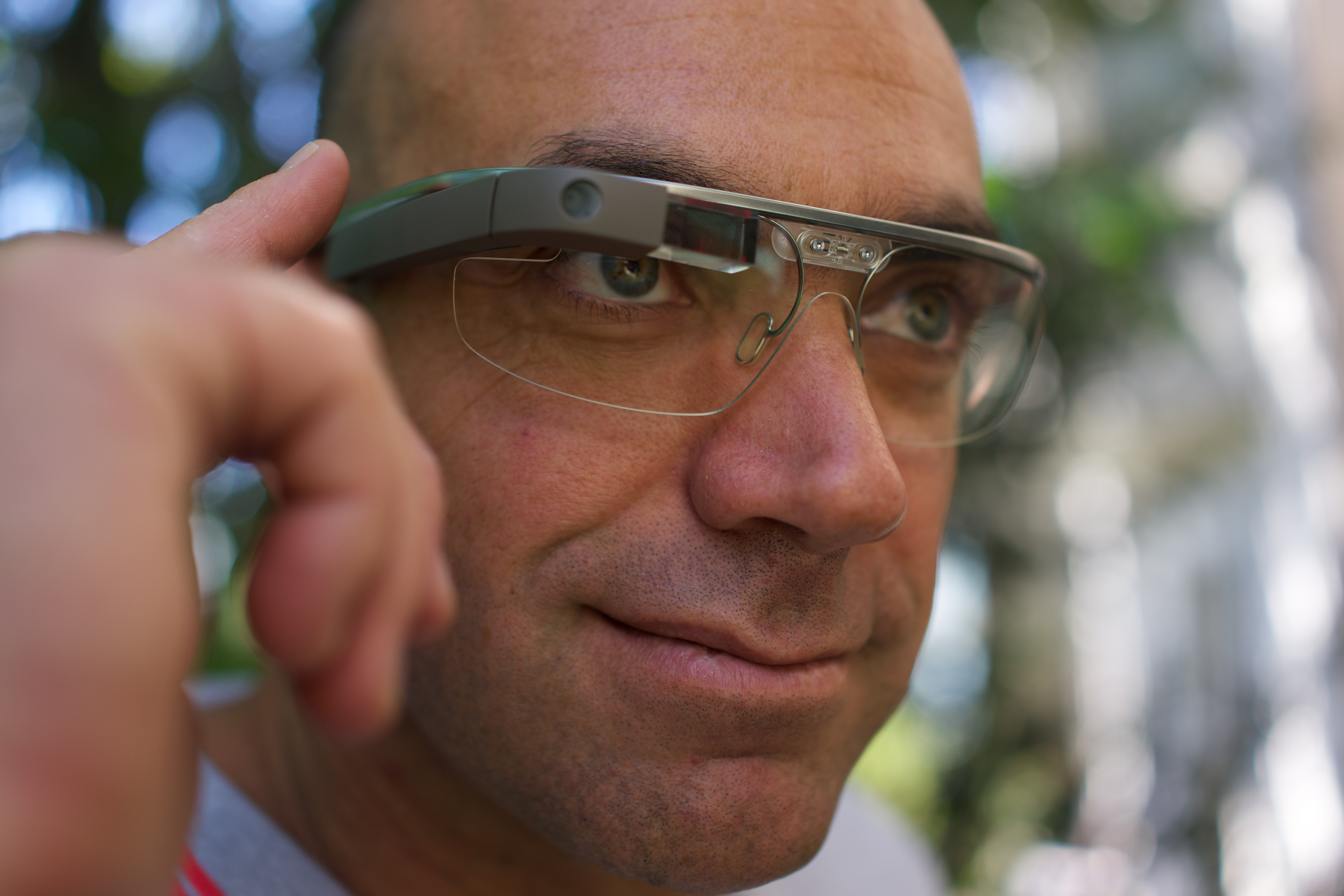
Smartglasses are wearable computers designed to be worn like traditional eyewear, integrating digital displays and processing capabilities directly into the frame. These devices augment reality by superimposing information, such as navigation prompts, notifications, or contextual data, onto the wearer's view of the physical world, often via an optical head-mounted display (OHMD) or a transparent heads-up display (HUD). While early iterations focused on basic functions, modern smartglasses are evolving into sophisticated augmented reality (AR) platforms, capable of complex interactions and data visualization. The market, though still nascent compared to smartphones, has seen significant investment from tech giants like Google and Meta, with ongoing debates about privacy, utility, and mainstream adoption. Their potential applications span enterprise, healthcare, and consumer markets, promising a future where digital information is seamlessly integrated into our daily perception.
🎵 Origins & History
The concept of smartglasses traces its lineage back to science fiction and early experimental computing. Precursors include the Cybersight Project at the University of Washington in the late 1990s, which explored augmented reality interfaces. However, the modern iteration of smartglasses truly began to take shape with Google Glass, first unveiled in 2011 and released to developers in 2013. This device, though ultimately a commercial misstep, laid crucial groundwork by demonstrating the potential for a head-worn display that could provide real-time information without requiring users to look at a separate device. Other early pioneers include Vuzix, which has been developing wearable display technology since the early 2000s, and Epson's Moverio line, which has focused on AR and drone piloting applications.
⚙️ How It Works
At their core, smartglasses function by projecting digital information onto a display that is positioned within the wearer's line of sight. This is typically achieved through a micro-display (like OLED or LCoS) that projects an image onto a prism or waveguide, which then directs the light to the user's eye. The device is powered by a small onboard computer, often running a specialized operating system, and connects wirelessly to smartphones or the internet via Bluetooth or Wi-Fi. Sensors such as accelerometers, gyroscopes, and cameras enable augmented reality capabilities, allowing the glasses to understand the user's environment and interactions. Input can be managed through voice commands, touch-sensitive areas on the frame, or external controllers.
📊 Key Facts & Numbers
The smartglasses market, while still a fraction of the overall wearable tech sector, is projected for significant growth. Enterprise adoption is a key driver, with companies like Bosch and GE utilizing smartglasses for tasks like assembly line guidance and remote maintenance. Consumer adoption, however, remains slower, with early devices like Google Glass facing challenges in achieving widespread appeal.
👥 Key People & Organizations
Several key figures and organizations have shaped the smartglasses landscape. Sergey Brin and Larry page, co-founders of Google, were instrumental in the development and public introduction of Google Glass. Tim Cook, CEO of Apple, has publicly expressed interest in AR and wearable technology, fueling speculation about Apple's future smartglasses ambitions. Mark Zuckerberg and Meta are heavily investing in AR and VR, with their Ray-Ban Stories smart glasses representing a significant consumer-focused entry. Vuzix Corporation, led by Paul Travers, has been a consistent player in the enterprise AR display market for years, offering a range of advanced smart glasses.
🌍 Cultural Impact & Influence
The cultural impact of smartglasses has been a mixed bag, oscillating between futuristic promise and social awkwardness. Google Glass, in particular, became a cultural lightning rod, sparking debates about privacy and the 'Glasshole' phenomenon, where wearers were perceived as intrusive due to their always-on cameras. This social friction contributed to its initial retreat from the consumer market. Despite these challenges, the concept has permeated popular culture, appearing in films and discussions about the future of human-computer interaction. The integration of cameras and always-on connectivity raises profound questions about personal space and surveillance, influencing how we perceive technology's role in public life.
⚡ Current State & Latest Developments
The smartglasses sector is currently in a dynamic phase of development and refinement. Meta continues to iterate on its Ray-Ban Stories line, focusing on integrating more advanced AI and display capabilities. Google has pivoted its Glass Enterprise Edition towards industrial applications, seeking to leverage its technology in professional settings. Apple is widely rumored to be developing its own AR/VR headset, potentially a precursor to a dedicated smartglasses product, with leaks suggesting a high-end device focused on mixed reality. Snap Inc. has also been quietly developing its Spectacles line, incorporating AR display technology for creators and developers. The focus is increasingly on lighter, more stylish designs and more intuitive user interfaces.
🤔 Controversies & Debates
Smartglasses are embroiled in several significant controversies. Privacy remains the paramount concern, with built-in cameras and microphones raising fears of constant surveillance and data misuse. The 'Glasshole' effect, where wearers were seen as intrusive, highlights the social challenges of integrating such devices into public spaces. Ethical considerations also extend to data security, potential for addiction, and the digital divide, where access to advanced AR could exacerbate societal inequalities. Furthermore, the environmental impact of manufacturing and disposing of complex electronic devices like smartglasses is a growing point of contention for sustainability advocates.
🔮 Future Outlook & Predictions
The future of smartglasses appears increasingly intertwined with the broader development of augmented reality and artificial intelligence. Projections suggest that by the late 2020s and early 2030s, smartglasses could become as ubiquitous as smartphones, offering seamless integration of digital information into daily life. Companies are striving for sleeker, more comfortable designs that resemble conventional eyewear, moving away from the bulky prototypes of the past. Advancements in battery technology, micro-displays, and AI-powered contextual awareness will be critical. The ultimate success will hinge on overcoming privacy concerns and demonstrating clear, compelling use cases that justify their adoption over existing devices like smartphones and smartwatches.
💡 Practical Applications
Smartglasses are finding practical applications across a diverse range of industries. In manufacturing and logistics, they are used for hands-free access to instructions, inventory management, and quality control, as seen with Bosch's use in assembly lines. Healthcare professionals are exploring their use for remote patient monitoring, surgical assistance, and medical training, allowing surgeons to view patient data or imaging overlays during procedures. Field service technicians benefit from remote expert assistance, enabling them to troubleshoot complex equipment with guidance from off-site specialists. For consumers, potential applications include enhanced navigation, real-time language translation, and immersive gaming experiences, though these are less mature than enterprise solutions.
Key Facts
- Category
- technology
- Type
- technology