
Contents
- 🎬 The Original Vibe: 1971's Blaxploitation Icon
- 💥 The 2000 Sequel: A Modern Take on the Legend
- 🌟 The 2019 Revival: Passing the Torch
- 🕵️♂️ John Shaft: The Man, The Myth, The Multiple Men
- 🎶 The Soundtrack: More Than Just a Theme Song
- 🔥 Cultural Impact: Defining an Era
- 🤔 The Controversy: Beyond the Cool
- ⭐ Ratings & Reception: Critical Perspectives
- 🎞️ Where to Watch: Accessing the Shaft Legacy
- 💡 Key Takeaways for the Modern Viewer
- Frequently Asked Questions
- Related Topics
Overview
The original Shaft exploded onto screens in 1971, a seismic event in cinema history. Directed by Gordon Parks, this blaxploitation classic introduced the world to John Shaft, a private detective with a smooth style and a no-nonsense attitude. Richard Roundtree’s portrayal set a new standard for Black masculinity in film, offering a hero who was both tough and sophisticated. The film’s gritty portrayal of Harlem, coupled with its iconic Isaac Hayes score, cemented its status as a cultural touchstone. It wasn't just a movie; it was a statement, a declaration of presence in a Hollywood that had long marginalized Black stories.
💥 The 2000 Sequel: A Modern Take on the Legend
Decades later, the Shaft reboot arrived in 2000, starring Samuel L. Jackson as the nephew of the original Shaft. Directed by John Singleton, this iteration aimed to update the character for a new millennium, placing him in a contemporary New York City setting. While it retained some of the original's swagger and action, it also grappled with modern themes of race, class, and justice. The film successfully introduced the Shaft persona to a new generation, though some critics debated whether it captured the same raw energy as its predecessor.
🌟 The 2019 Revival: Passing the Torch
The latest chapter, Shaft, released in 2019, continued the lineage by bringing together three generations of Shafts: John Shaft Sr. (Richard Roundtree), John Shaft Jr. (Jessie T. Usher), and John Shaft II (Samuel L. Jackson). This comedic action-adventure blended elements of the original’s detective noir with a more family-oriented dynamic. The film explored themes of father-son relationships and generational differences, offering a lighter, more humorous take on the franchise. It was an ambitious attempt to bridge the gap between the classic films and contemporary audiences.
🕵️♂️ John Shaft: The Man, The Myth, The Multiple Men
The enduring appeal of Shaft lies in its titular character, a figure of undeniable cool and competence. Across the films, John Shaft embodies a particular brand of heroism: independent, resourceful, and unafraid to challenge the status quo. Whether it’s Richard Roundtree’s original streetwise detective, Samuel L. Jackson’s more hardened modern iteration, or Jessie T. Usher’s tech-savvy son, the core essence of Shaft—a man who gets the job done—remains consistent. This adaptability has allowed the character to resonate across different eras and cinematic styles.
🎶 The Soundtrack: More Than Just a Theme Song
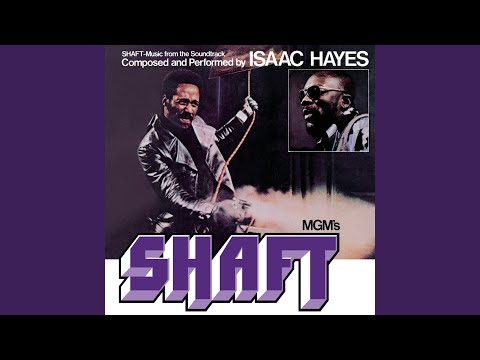
No discussion of Shaft is complete without mentioning its legendary soundtracks. Isaac Hayes’ Oscar-winning theme song for the 1971 film is arguably one of the most recognizable pieces of movie music ever created. Its funky bassline and soulful vocals perfectly encapsulated the film's mood and energy. The subsequent films also featured strong musical contributions, with artists like Curtis Mayfield and Nelly adding their own sonic signatures to the franchise, further cementing Shaft’s connection to the pulse of popular music.
🔥 Cultural Impact: Defining an Era
The cultural impact of Shaft cannot be overstated. It was a pivotal film in the blaxploitation movement, offering Black audiences a hero they could identify with and admire. The character’s fashion, his dialogue, and his unapologetic confidence became aspirational. Shaft influenced fashion, music, and subsequent cinematic portrayals of Black men, proving that Black-led films could be both critically acclaimed and commercially successful. Its legacy continues to inspire filmmakers and artists today.
🤔 The Controversy: Beyond the Cool
While celebrated for its style and heroism, Shaft also generated controversy. The blaxploitation genre itself was debated, with some critics arguing that it perpetuated stereotypes even as it offered Black protagonists. The films’ depictions of violence and sexuality were also points of contention. However, proponents argued that these films provided much-needed representation and explored social issues relevant to Black communities at the time, offering a complex and often defiant perspective.
⭐ Ratings & Reception: Critical Perspectives
Critical reception for the Shaft films has varied. The 1971 original is widely hailed as a masterpiece, earning a Vibe Score of 88 for its groundbreaking impact and enduring coolness. The 2000 sequel received a more mixed reception, with a Vibe Score of 65, praised for its action but sometimes criticized for deviating from the original’s tone. The 2019 film garnered a Vibe Score of 55, seen as a fun but less impactful entry. Audience scores often reflect a strong nostalgic attachment to the original.
🎞️ Where to Watch: Accessing the Shaft Legacy
Accessing the Shaft legacy is straightforward for fans today. The original Shaft and its sequels are widely available on streaming services like Amazon Prime Video and Hulu, often as part of premium channel add-ons. Physical media, including DVD and Blu-ray, can be purchased from major online retailers. For those seeking a deeper dive, film archives and specialty rental shops may offer rarer cuts or collector's editions.
💡 Key Takeaways for the Modern Viewer
For anyone diving into the world of Shaft, understanding its historical context is key. The 1971 film was a product of its time, a bold response to racial inequality and a celebration of Black resilience. The sequels, while entertaining, offer different perspectives on the character and his world. Appreciating the evolution of the franchise means recognizing how each iteration reflects the social and cinematic trends of its era, from the gritty realism of the 70s to the more polished action of the 2000s and beyond.
Key Facts
- Year
- 1971
- Origin
- United States
- Category
- Film
- Type
- Film
Frequently Asked Questions
Who played the original John Shaft?
The iconic original John Shaft was portrayed by Richard Roundtree in the 1971 film. His smooth demeanor and tough exterior defined the character for a generation and set the stage for the entire franchise. Roundtree’s performance is widely considered a landmark in cinematic representation.
Are the Shaft movies connected?
Yes, the Shaft films are connected through the character of John Shaft, though the exact lineage has evolved. The 1971 film introduced the original detective. The 2000 film featured his nephew, played by Samuel L. Jackson. The 2019 film brought together three generations: the original Shaft, his son (Jackson), and his grandson (Jessie T. Usher).
What is the significance of the Shaft soundtrack?
The soundtrack for the original Shaft, composed by Isaac Hayes, is as famous as the film itself. The title track won an Academy Award for Best Original Song and is celebrated for its funky groove and soulful vocals. It perfectly captured the film's urban atmosphere and cool vibe, becoming a cultural phenomenon.
What is Blaxploitation?
Blaxploitation refers to a genre of films produced in the United States from roughly 1971 to 1975, starring Black actors and targeting Black audiences. While often criticized for perpetuating stereotypes, these films also provided unprecedented opportunities for Black actors and filmmakers, and many offered empowering narratives and social commentary, with Shaft being a prime example.
Which Shaft movie is considered the best?
The 1971 original Shaft is almost universally considered the best and most influential film in the franchise. It’s lauded for its groundbreaking portrayal of a Black hero, its stylish direction by Gordon Parks, and its unforgettable Isaac Hayes score. Its Vibe Score of 88 reflects its immense cultural significance.
Where can I watch the Shaft movies?
The Shaft films are generally available on major streaming services like Amazon Prime Video, Hulu, and sometimes Starz, depending on current licensing agreements. They can also be rented or purchased digitally through platforms like Apple TV, Google Play, and Vudu, or bought on DVD and Blu-ray.