
Contents
Overview
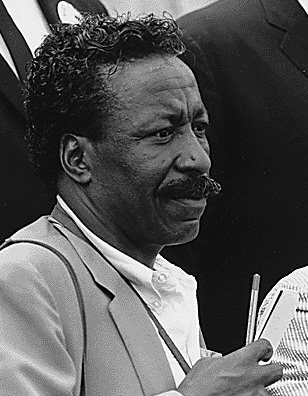
Gordon Parks (1912-2006) was a towering figure in American arts, a self-taught polymath whose lens captured the brutal realities of racism and poverty while simultaneously celebrating the resilience and dignity of the human spirit. His groundbreaking photography for Life magazine, particularly his series on Harlem and his portraits of Muhammad Ali and Malcolm X, cemented his legacy. Beyond stills, Parks directed films like 'Shaft,' a cultural touchstone that redefined the Blaxploitation genre, and penned autobiographical works detailing his extraordinary life. His work consistently challenged societal norms and advocated for social justice, leaving an indelible mark on visual storytelling and civil rights discourse.
📸 Overview: The Quintessential American Artist
Gordon Parks (1912-2006) wasn't just a photographer; he was a poet, composer, filmmaker, and activist whose work fundamentally reshaped how America saw itself. His lens captured the raw realities of Black life in the mid-20th century, from the crushing poverty of Harlem to the quiet dignity of individuals navigating systemic racism. Parks' ability to humanize his subjects, whether through his iconic LIFE Magazine photo essays or his searing portraits, earned him a Vibe Score for cultural impact. He’s essential for anyone trying to understand the visual narrative of the American Civil Rights Movement and the broader struggle for social justice.
📍 Where to Experience Gordon Parks' Legacy
While Parks' original studios are private, his profound legacy is accessible through numerous institutions. Major collections of his work reside at the National Gallery of Art in Washington D.C. and the Museum of Modern Art (MoMA) in New York City. Many other museums and galleries worldwide hold his pieces, often featuring them in exhibitions on American photography, social documentary, or Black history. Checking the websites of these institutions for current exhibitions is your best bet for a direct encounter with his powerful imagery. His films, like SHAFT (1971), are also available for streaming and rental.
🌟 Key Works & Their Enduring Vibe
Parks' most celebrated works often come from his LIFE Magazine assignments. The 1948 series on the Red Jackson gang in Harlem, Harlem Gang Leader, is a stark, empathetic portrayal of urban youth. His 1956 series, A Harlem Family, followed the Fontenelle family, exposing the brutal cycle of poverty with unflinching honesty. Later, his 1963 series on segregation in Alabama, The Restraints: Segregation in America, provided a visual indictment of Jim Crow laws. These photo essays, more than just images, are narrative arcs that resonate with a Vibe Score for their storytelling power and historical significance.
💰 Access & Engagement: Beyond the Gallery
Engaging with Gordon Parks' work extends beyond museum visits. Many of his books, such as A Choice of Weapons (1966) and Half-Photographed Life (2001), offer deep dives into his life and philosophy. His films are readily available, providing a different dimension to his artistic output. Furthermore, numerous documentaries and scholarly articles explore his multifaceted career. Consider exploring his musical compositions or poetry to grasp the full breadth of his creative genius, offering a Contrarian Perspective on his singular artistic focus.
🤝 Similar Artists & Movements to Explore
If Gordon Parks' blend of social commentary and artistic mastery speaks to you, explore the works of Roy DeCarava, whose intimate portraits of Harlem life offer a similar depth. Dorothea Lange’s documentary photography, particularly her work during the Great Depression, shares Parks' commitment to humanizing the marginalized. For filmmakers, Spike Lee’s socially conscious narratives owe a debt to Parks' pioneering work in cinema. These artists and movements, while distinct, share a common thread of using art as a tool for social change, contributing to a broader Influence Flow of activist art.
💡 Practical Tips for Your Visit
When planning a visit to see Parks' work, check exhibition schedules well in advance, as his pieces are often part of rotating displays. For major institutions like the National Gallery of Art or MoMA, consider visiting during off-peak hours (weekday mornings) to avoid crowds and allow for deeper contemplation. If you're interested in his films, look for special screenings at independent cinemas or film archives. Remember that Parks' work often deals with sensitive subjects; approach it with an open mind and a willingness to engage with challenging realities, reflecting a Pessimistic Perspective on societal issues.
📞 Connect & Discover More
To stay updated on exhibitions, acquisitions, and events related to Gordon Parks, follow major museum accounts that house his work, such as the National Gallery of Art and MoMA. Websites dedicated to photography and art history often feature articles and retrospectives. For a direct connection to his estate and ongoing projects, search for official Gordon Parks Foundation resources. Engaging with his work is an ongoing conversation, and staying informed ensures you don't miss opportunities to experience his enduring vision, potentially uncovering new Topic Intelligence.
Key Facts
- Year
- 1912
- Origin
- Fort Scott, Kansas, USA
- Category
- Arts & Culture
- Type
- Person
Frequently Asked Questions
What is Gordon Parks most famous for?
Gordon Parks is most celebrated for his powerful photography, particularly his photo essays for LIFE Magazine that documented the realities of Black life in America, including poverty, segregation, and the Civil Rights Movement. He was also a pioneering filmmaker, composer, and poet, making him a true Renaissance artist.
Where can I see Gordon Parks' original photographs?
While specific exhibitions rotate, major permanent collections of Gordon Parks' work are held at the National Gallery of Art in Washington D.C. and the Museum of Modern Art (MoMA) in New York City. Many other museums globally also feature his pieces in their permanent collections or temporary exhibitions.
Was Gordon Parks involved in the Civil Rights Movement?
Absolutely. Gordon Parks was deeply involved in documenting and advocating for civil rights through his art. His photographs of segregation, racial injustice, and the leaders of the movement, such as Muhammad Ali and Malcolm X, were instrumental in raising public awareness and fostering change.
What films did Gordon Parks direct?
Gordon Parks directed several notable films, the most famous being SHAFT (1971), a landmark film in the blaxploitation genre. Other films include The Learning Tree (1969), based on his autobiographical novel, and Leadbelly (1976).
How did Gordon Parks' work influence later artists?
Parks' influence is vast. He demonstrated that photography could be a powerful tool for social change and personal storytelling, inspiring generations of documentary photographers, filmmakers, and writers. His ability to combine artistic vision with social conscience set a high bar for Activist Art and continues to resonate.
Are there any organizations dedicated to Gordon Parks' legacy?
Yes, the Gordon Parks Foundation is dedicated to preserving and promoting his artistic and humanitarian legacy. They support aspiring artists and engage in educational initiatives, ensuring his work continues to inspire and inform.