
Contents
- 🎵 Origins & History of Burn Care
- ⚙️ How Severe Burns Are Classified and Cause Damage
- 📊 Key Facts & Global Statistics
- 👥 Key Figures in Burn Research and Treatment
- 🌍 Cultural Impact and Historical Perceptions
- ⚡ Current State of Burn Treatment
- 🤔 Controversies and Debates in Burn Management
- 🔮 Future Outlook for Burn Care
- 💡 Practical Applications and First Aid
- 📚 Related Topics & Deeper Reading
- References
Overview
The understanding and treatment of burns have evolved dramatically over millennia, from ancient rudimentary practices to sophisticated modern medicine. Early civilizations, such as those in Ancient Egypt, documented basic burn treatments in papyri, often involving poultices and natural remedies.
⚙️ How Severe Burns Are Classified and Cause Damage
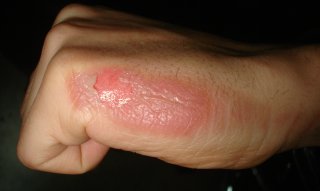
First-degree burns affect only the epidermis, causing redness and pain, like a sunburn. Second-degree (partial-thickness) burns penetrate into the dermis, resulting in blisters and intense pain. Third-degree (full-thickness) burns destroy the epidermis and dermis, often rendering the area numb due to nerve destruction and appearing white, leathery, or charred. Fourth-degree burns extend through the subcutaneous tissue to muscle and bone, presenting a dire prognosis.
📊 Key Facts & Global Statistics
Children under 15 and adults over 65 are particularly vulnerable populations. The leading causes vary by region, but domestic accidents involving flammable liquids, cooking fires, and scalding from hot water remain prevalent worldwide.
👥 Key Figures in Burn Research and Treatment
Pioneering figures have shaped our understanding and treatment of severe burns. Henry H. Henderson, a British surgeon, made significant contributions to wound management in the mid-19th century.
🌍 Cultural Impact and Historical Perceptions
Historically, burns have been viewed with a mixture of fear, superstition, and medical curiosity. In many ancient cultures, severe burns were often attributed to divine punishment or supernatural forces, leading to treatments that ranged from religious rituals to folk remedies.
⚡ Current State of Burn Treatment
Advanced therapies include the use of bioengineered skin substitutes, negative pressure wound therapy (NPWT), and specialized nutritional support to aid healing. Telemedicine is increasingly being used to extend specialized burn care to remote areas.
🤔 Controversies and Debates in Burn Management
Several controversies persist in burn management. The optimal timing and technique for escharotomy (surgical incision through burned tissue to relieve pressure) in circumferential burns remain debated, with varying protocols across institutions. The use of silver sulfadiazine as a topical antimicrobial agent, once a standard, is now questioned due to concerns about delayed healing and potential antibiotic resistance. Furthermore, the ethical considerations surrounding aggressive treatment for extensive, life-threatening burns, particularly in elderly or critically ill patients, are a constant challenge for medical teams. The allocation of scarce resources in resource-limited settings also presents ethical dilemmas, forcing difficult decisions about who receives life-saving interventions.
🔮 Future Outlook for Burn Care
The future of burn care is increasingly focused on regenerative medicine and biotechnology. Researchers are exploring stem cell therapies and tissue-engineered skin that can regenerate functional skin layers, potentially reducing the need for extensive skin grafting and improving cosmetic and functional outcomes. Advances in nanotechnology are leading to novel drug delivery systems and antimicrobial agents. Artificial intelligence (AI) is being investigated for early burn depth assessment and predicting patient outcomes. Prevention remains a criti
Key Facts
- Category
- science
- Type
- topic