
Contents
Overview
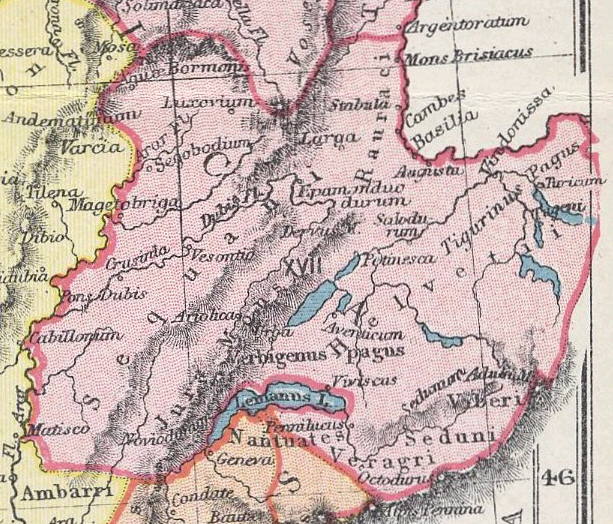
The Sequani tribe dwelled in the upper river basin of the Arar river, now known as the Saône, as well as the valley of the Doubs and the Jura Mountains. This strategic location allowed them to engage in trade and cultural exchange with neighboring tribes, including the Helvetii and the Aedui. The Sequani's interactions with these tribes, as well as with the Romans, had a profound impact on their history and development. As noted by the Roman historian Strabo, the Sequani were a significant power in the region, with their capital city, Vesontio, serving as a major center of commerce and culture.
🗺️ Geography & Trade
The Sequani's geography played a crucial role in shaping their culture and way of life. The Saône river basin and the Jura Mountains provided a fertile ground for agriculture, while the Doubs valley offered access to important trade routes. The tribe's strategic location facilitated the exchange of goods, ideas, and cultural practices with other Gallic tribes, such as the Arverni and the Bituriges. This exchange is evident in the archaeological record, with findings like the Besançon treasure highlighting the Sequani's connections to the wider Gallic world.
🏛️ Cultural Impact & Legacy
The Sequani's cultural impact extends beyond their geographical boundaries. Their interactions with influential figures like Julius Caesar and their role in the Gallic Wars have left a lasting legacy in the historical record. The tribe's cultural practices, such as their unique art and architecture, have also been the subject of extensive study and debate among scholars, including Jacques Elisée Reclus and Camille Jullian. The Sequani's legacy can be seen in the modern-day culture of the region, with their history and traditions continuing to inspire and influence contemporary art, literature, and identity.
📚 Archaeological Discoveries & Debates
Archaeological discoveries have significantly enhanced our understanding of the Sequani tribe and their way of life. Excavations at sites like Besançon and Mont Donon have uncovered a wealth of artifacts, including coins, jewelry, and other material remains. These findings have provided valuable insights into the Sequani's trade networks, cultural practices, and interactions with other Gallic tribes. However, the interpretation of these discoveries is not without debate, with scholars like Pierre Werner and François Walter offering differing perspectives on the Sequani's history and cultural significance.
Key Facts
- Year
- 1st century BCE
- Origin
- Saône river basin, Jura Mountains
- Category
- history
- Type
- tribe
Frequently Asked Questions
What was the Sequani tribe's geographical location?
The Sequani tribe dwelled in the upper Saône river basin, the valley of the Doubs, and the Jura Mountains. Their strategic location facilitated trade and cultural exchange with neighboring tribes, such as the Helvetii and the Aedui. The Sequani's interactions with these tribes, as well as with the Romans, had a profound impact on their history and development.
Who were the Sequani's notable allies and enemies?
The Sequani were allied with the Aedui and interacted with the Helvetii. They also had significant interactions with the Romans, particularly with Julius Caesar. The Sequani's relationships with these entities played a crucial role in shaping their history and cultural practices.
What is the significance of the Sequani's cultural practices?
The Sequani's cultural practices, such as their unique art and architecture, have been the subject of extensive study and debate among scholars. Their cultural practices reflect the tribe's interactions with other Gallic tribes and the Romans, and provide valuable insights into the Sequani's way of life and traditions.
What are some notable archaeological discoveries related to the Sequani?
Excavations at sites like Besançon and Mont Donon have uncovered a wealth of artifacts, including coins, jewelry, and other material remains. These findings have provided valuable insights into the Sequani's trade networks, cultural practices, and interactions with other Gallic tribes.
How did the Sequani tribe interact with the Romans?
The Sequani tribe interacted significantly with the Romans, particularly during the Gallic Wars. The tribe's interactions with Julius Caesar and other Roman leaders had a profound impact on their history and development. The Sequani's relationships with the Romans reflect the complex and often tumultuous nature of Gallic-Roman interactions during this period.