
Contents
Overview
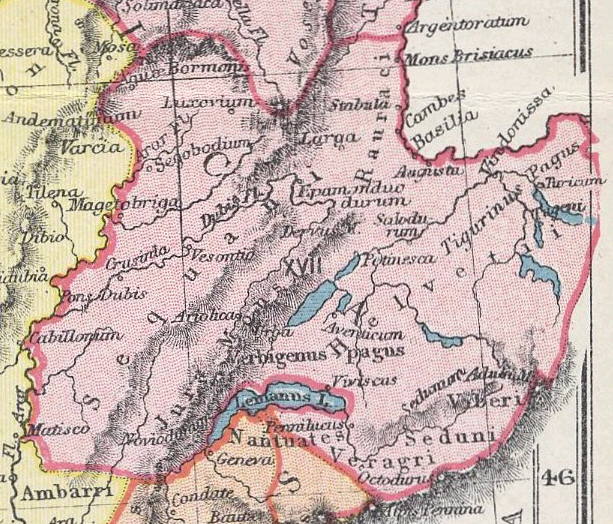
The Helvetii were a Celtic tribe or tribal confederation that occupied most of the Swiss plateau at the time of their contact with the Roman Republic in the 1st century BC. According to Julius Caesar, the Helvetians were divided into four subgroups or pagi, including the Verbigeni and the Tigurini. The Helvetii's history is closely tied to that of the Roman Empire, with their failed migration attempt into southwestern Gaul in 58 BC serving as a catalyst for Caesar's conquest of Gaul, as documented in his Commentaries on the Gallic War. This event had a significant impact on the region, leading to the rise of Roman Gaul and the decline of the Helvetii's power.
📚 Roman Conquest & Legacy
The Helvetians were subjugated after 52 BC, and under Augustus, Celtic oppida, such as Vindonissa or Basilea, were re-purposed as garrisons. In 68 AD, a Helvetian uprising was crushed by Aulus Caecina Alienus. The Swiss plateau was at first incorporated into the Roman province of Gallia Belgica in 22 BC, later into Germania. The Helvetii's legacy can be seen in the modern-day culture and geography of Switzerland, with many of their settlements and fortifications still visible today, such as the Rhine River and the Jura Mountains.
🏞️ Cultural Impact
The Helvetii's cultural impact on the region is still evident today, with many of their traditions and customs still practiced in modern-day Switzerland. The Helvetii's love of Celtic art and Celtic music can be seen in the many festivals and celebrations that take place throughout the year, such as the Unspunnenfest and the Festival des Jeux de Genève. The Helvetii's legacy can also be seen in the many archaeological discoveries that have been made in the region, including the La Tène culture and the Hallstatt culture.
🔍 Archaeological Discoveries
In recent years, there has been a renewed interest in the Helvetii and their history, with many archaeologists and historians working to uncover more about this fascinating tribe. The Swiss National Museum in Zurich has an extensive collection of Helvetii artifacts, including the famous Helvetii treasure. The museum's collection includes many artifacts from the Roman Empire, including coins, jewelry, and other treasures. The Helvetii's legacy continues to be felt today, with many people around the world fascinated by their history and culture.
Key Facts
- Year
- 1st century BC
- Origin
- Swiss plateau
- Category
- history
- Type
- tribe
Frequently Asked Questions
Who were the Helvetii?
The Helvetii were a Celtic tribe that inhabited the Swiss plateau during the 1st century BC. They were known for their failed migration attempt into southwestern Gaul in 58 BC, which sparked Julius Caesar's conquest of Gaul. The Helvetii's history is closely tied to that of the Roman Empire, with many of their settlements and fortifications still visible today, such as the University of Basel and the Swiss Plateau itself.
What was the significance of the Helvetii's failed migration attempt?
The Helvetii's failed migration attempt into southwestern Gaul in 58 BC served as a catalyst for Julius Caesar's conquest of Gaul. This event had a significant impact on the region, leading to the rise of Roman Gaul and the decline of the Helvetii's power. The Helvetii's legacy can be seen in the modern-day culture and geography of Switzerland, with many of their traditions and customs still practiced today, such as the Unspunnenfest and the Festival des Jeux de Genève.
What is the Helvetii's legacy in modern-day Switzerland?
The Helvetii's legacy can be seen in the modern-day culture and geography of Switzerland, with many of their traditions and customs still practiced today. The Helvetii's love of Celtic art and Celtic music can be seen in the many festivals and celebrations that take place throughout the year, such as the Unspunnenfest and the Festival des Jeux de Genève. The Helvetii's legacy can also be seen in the many archaeological discoveries that have been made in the region, including the La Tène culture and the Hallstatt culture.
What are some notable archaeological discoveries related to the Helvetii?
Some notable archaeological discoveries related to the Helvetii include the La Tène culture and the Hallstatt culture. The Swiss National Museum in Zurich has an extensive collection of Helvetii artifacts, including the famous Helvetii treasure. The museum's collection includes many artifacts from the Roman Empire, including coins, jewelry, and other treasures.
How has the Helvetii's history been interpreted and reinterpreted over time?
The Helvetii's history has been interpreted and reinterpreted over time, with many historians and archaeologists working to uncover more about this fascinating tribe. The Helvetii's legacy continues to be felt today, with many people around the world fascinated by their history and culture. The Helvetii's story has been told and retold in many different ways, from the Commentaries on the Gallic War to modern-day historical accounts and archaeological discoveries.