
Contents
Overview
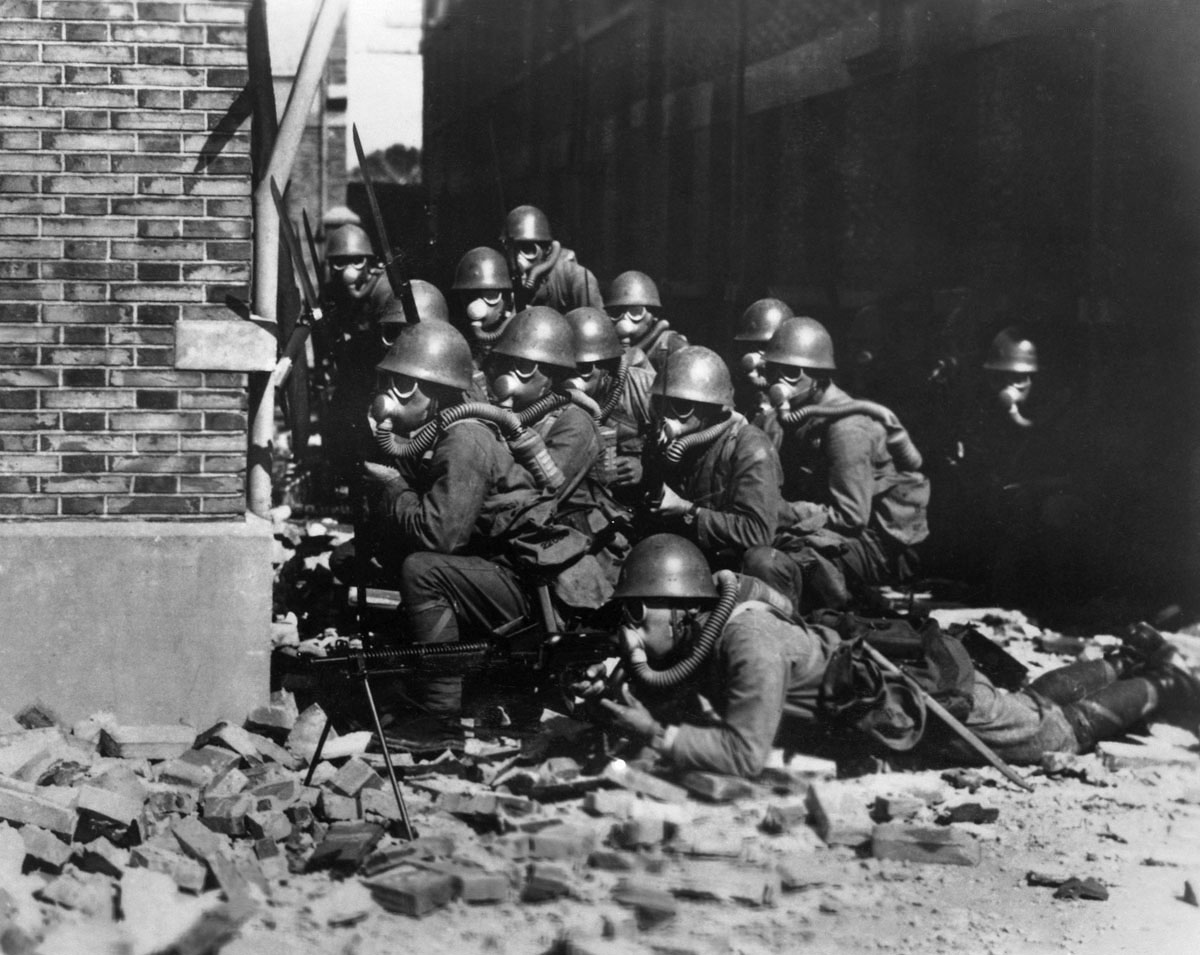
The Second Sino-Japanese War began with the Mukden incident on 18 September 1931, a false flag event fabricated by Japan to justify its invasion of Manchuria and the establishment of the puppet state of Manchukuo. This marked the beginning of a period of skirmishes between China and Japan, including battles in Shanghai and Northern China. The conflict escalated into a full-scale war in 1937, with Chiang Kai-shek leading the Nationalist forces and Mao Zedong leading the Chinese Communist Party (CCP) forces. The war was further complicated by the ongoing Chinese Civil War between the Nationalists and the CCP, which had been ongoing since 1927.
⚔️ Major Battles and Events
The war saw several major battles and events, including the Battle of Shanghai and the Battle of Nanjing, also known as the Nanjing Massacre. The conflict also drew in other nations, with the United States providing significant support to China through the Lend-Lease Act. The Soviet Union, led by Joseph Stalin, also provided support to China, while Adolf Hitler's Germany and Benito Mussolini's Italy supported Japan. The war became heavily intertwined with World War II after Japan's entry into the global conflict.
🌍 International Involvement and Impact
The international involvement in the Second Sino-Japanese War was significant, with the United States, the Soviet Union, and other nations playing important roles. The United States provided significant economic and military support to China, while the Soviet Union provided military support and advisors. The war also had a significant impact on the global balance of power, contributing to the outbreak of World War II and the eventual defeat of Japan. The League of Nations failed to prevent the war, highlighting its ineffectiveness in maintaining international peace and security.
🔮 Legacy and Aftermath
The legacy of the Second Sino-Japanese War is complex and far-reaching. The war resulted in the deaths of millions of people, including civilians and soldiers, and had a profound impact on the development of China and Japan. The war also contributed to the rise of the People's Republic of China and the Communist Party of China, led by Mao Zedong. The war is still remembered and commemorated today, with the Nanjing Massacre being a particularly sensitive topic in China-Japan relations.
Key Facts
- Year
- 1937-1945
- Origin
- Asia
- Category
- history
- Type
- event
Frequently Asked Questions
What was the Mukden incident?
The Mukden incident was a false flag event staged by Japan in 1931 to justify its invasion of Manchuria and the establishment of the puppet state of Manchukuo. It is considered the starting point of the Second Sino-Japanese War.
Who were the main leaders of the war?
The main leaders of the war were Chiang Kai-shek, who led the Nationalist forces, and Mao Zedong, who led the Chinese Communist Party (CCP) forces. Hirohito was the Emperor of Japan during the war.
What was the impact of the war on China-Japan relations?
The war had a profound impact on China-Japan relations, contributing to a long-standing rivalry and tension between the two nations. The war is still remembered and commemorated today, with the Nanjing Massacre being a particularly sensitive topic.
How did the war contribute to the outbreak of World War II?
The war became heavily intertwined with World War II after Japan's entry into the global conflict. The war drew in multiple nations, including the United States, the Soviet Union, and Germany, and contributed to the outbreak of World War II in Asia.
What is the legacy of the war in modern China?
The legacy of the war is complex and far-reaching, with the war resulting in the deaths of millions of people and having a profound impact on the development of China. The war contributed to the rise of the People's Republic of China and the Communist Party of China, led by Mao Zedong.