
Contents
- 🎉 Introduction to Sao Paulo Carnival
- 🌴 History of Sao Paulo Carnival
- 🎊 Cultural Significance of Sao Paulo Carnival
- 🕺 Music and Dance of Sao Paulo Carnival
- 🍴 Food and Drink of Sao Paulo Carnival
- 👥 Participation and Inclusion in Sao Paulo Carnival
- 📸 Tourism and Economic Impact of Sao Paulo Carnival
- 🌟 Notable Moments in Sao Paulo Carnival History
- 🤔 Controversies and Challenges Facing Sao Paulo Carnival
- 🎁 Future of Sao Paulo Carnival
- 👑 Entity Relationships and Influence
- Frequently Asked Questions
- Related Topics
Overview
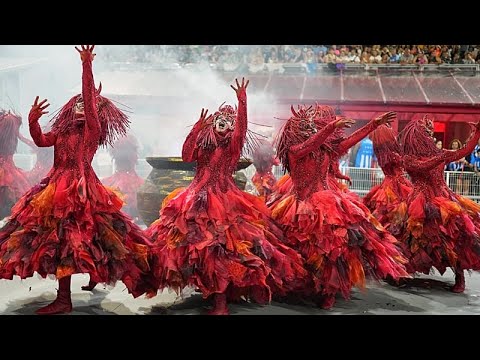
The Sao Paulo Carnival is a kaleidoscopic spectacle that showcases the city's rich cultural heritage, with over 5 million attendees and a Vibe score of 92. This iconic event features parades, street parties, and performances by renowned samba schools, such as Vai-Vai and Rosas de Ouro, which have been perfecting their craft since the 1930s. With its unique blend of African, European, and indigenous influences, the Sao Paulo Carnival has become a benchmark for cultural festivals worldwide, attracting visitors like anthropologist Hermano Vianna and musician Carlinhos Brown. As the event continues to evolve, it faces challenges such as gentrification and commercialization, sparking debates among locals and scholars like Roberto DaMatta. Despite these tensions, the Sao Paulo Carnival remains an unparalleled celebration of creativity and diversity, with a projected economic impact of $1.3 billion in 2024. As the city prepares for the next edition, one question looms: how will the organizers balance tradition and innovation to keep the carnival's spirit alive?
🎉 Introduction to Sao Paulo Carnival
The Sao Paulo Carnival is one of the most vibrant and energetic cultural events in the world, attracting millions of visitors each year. With its Carnival roots dating back to the 19th century, the event has evolved into a unique blend of Brazilian culture and Latin American culture. The carnival features a wide range of activities, including parades, street parties, and musical performances. Visitors can experience the Samba music and dance, as well as try traditional Brazilian food and drinks. The event is a major tourist attraction, with many visitors planning their trips around the Carnival schedule. As a cultural phenomenon, the Sao Paulo Carnival has been studied by scholars of Cultural Studies and Anthropology.
🌴 History of Sao Paulo Carnival
The history of the Sao Paulo Carnival is a rich and complex one, with roots in Portuguese culture and African culture. The event has evolved over the years, influenced by various social and cultural movements. In the early 20th century, the carnival was a major platform for Social commentary and Political satire. Today, the event continues to be a powerful expression of Brazilian identity and Cultural diversity. The carnival has also been shaped by its relationship with other cultural events, such as the Rio de Janeiro Carnival. Scholars of History and Cultural History have written extensively on the topic.
🎊 Cultural Significance of Sao Paulo Carnival
The cultural significance of the Sao Paulo Carnival cannot be overstated. The event is a celebration of Brazilian culture and Latin American culture, featuring a wide range of musical and dance performances. The carnival is also an important platform for Social justice and Human rights activism. Many participants use the event to raise awareness about important issues, such as Racism and Inequality. The carnival has also been recognized for its contributions to Cultural heritage and Intangible Cultural Heritage. As a cultural phenomenon, the Sao Paulo Carnival has been studied by scholars of Cultural Studies and Sociology.
🕺 Music and Dance of Sao Paulo Carnival
The music and dance of the Sao Paulo Carnival are two of its most distinctive features. The event features a wide range of musical performances, including Samba music, Bossa Nova, and Forro. The dance performances are equally impressive, with participants showcasing their skills in Samba dance, Capoeira, and other traditional Brazilian dances. The carnival is also a platform for Music innovation and Dance innovation, with many participants pushing the boundaries of traditional styles. Visitors can experience the energy and excitement of the carnival by attending a Street party or watching a Parade. As a cultural event, the Sao Paulo Carnival has been influenced by other musical and dance traditions, such as Afro-Brazilian culture and Indigenous culture.
🍴 Food and Drink of Sao Paulo Carnival
The food and drink of the Sao Paulo Carnival are an integral part of the event. Visitors can try traditional Brazilian food, such as Feijoada, Churrasco, and Acaraje. The event also features a wide range of drinks, including Caipirinha, Guarana, and Cachaça. The carnival is a great opportunity to experience the Culinary diversity of Brazil and Latin America. Many participants also use the event to showcase their Culinary innovation and creativity. As a cultural phenomenon, the Sao Paulo Carnival has been influenced by other culinary traditions, such as Portuguese cuisine and African cuisine.
👥 Participation and Inclusion in Sao Paulo Carnival
Participation and inclusion are core values of the Sao Paulo Carnival. The event is open to everyone, regardless of age, gender, or background. Participants can join a Samba school or attend a Street party. The carnival is also a platform for Social inclusion and Community engagement. Many organizations use the event to promote Social justice and Human rights. The carnival has also been recognized for its contributions to Cultural diversity and Cultural heritage. As a cultural event, the Sao Paulo Carnival has been influenced by other social and cultural movements, such as the Civil Rights Movement and the Feminist movement.
📸 Tourism and Economic Impact of Sao Paulo Carnival
The tourism and economic impact of the Sao Paulo Carnival are significant. The event attracts millions of visitors each year, generating billions of dollars in revenue. The carnival is a major boost to the local economy, creating jobs and stimulating economic growth. The event also has a positive impact on the local Hospitality industry, with many hotels, restaurants, and bars benefiting from the influx of tourists. As a cultural phenomenon, the Sao Paulo Carnival has been studied by scholars of Tourism Studies and Economic Development. The event has also been recognized for its contributions to Cultural tourism and Sustainable tourism.
🌟 Notable Moments in Sao Paulo Carnival History
The Sao Paulo Carnival has a rich and fascinating history, with many notable moments and events. One of the most significant moments in the carnival's history was the 1930s, when the event became a major platform for Social commentary and Political satire. The carnival has also been influenced by other cultural events, such as the Rio de Janeiro Carnival. Today, the event continues to be a powerful expression of Brazilian identity and Cultural diversity. As a cultural phenomenon, the Sao Paulo Carnival has been studied by scholars of History and Cultural History.
🤔 Controversies and Challenges Facing Sao Paulo Carnival
Despite its many successes, the Sao Paulo Carnival has also faced several controversies and challenges. One of the major challenges facing the event is Funding, with many organizations struggling to secure sufficient resources. The carnival has also been criticized for its Environmental impact, with many participants and spectators generating large amounts of waste. As a cultural phenomenon, the Sao Paulo Carnival has been influenced by other social and cultural movements, such as the Environmental movement and the Social Justice movement.
🎁 Future of Sao Paulo Carnival
The future of the Sao Paulo Carnival is uncertain, but one thing is clear: the event will continue to be a major cultural phenomenon. As a platform for Cultural expression and Social commentary, the carnival will continue to play an important role in Brazilian society. The event will also continue to evolve, incorporating new technologies and innovations. As a cultural event, the Sao Paulo Carnival has been influenced by other technological and social trends, such as Social media and Virtual reality.
👑 Entity Relationships and Influence
The Sao Paulo Carnival has many entity relationships and influences, both within Brazil and internationally. The event has been influenced by other cultural events, such as the Rio de Janeiro Carnival and the Notting Hill Carnival. The carnival has also been recognized for its contributions to Cultural diversity and Cultural heritage. As a cultural phenomenon, the Sao Paulo Carnival has been studied by scholars of Cultural Studies and Sociology.
Key Facts
- Year
- 1920
- Origin
- Sao Paulo, Brazil
- Category
- Cultural Events
- Type
- Cultural Event
Frequently Asked Questions
What is the Sao Paulo Carnival?
The Sao Paulo Carnival is a major cultural event in Brazil, featuring music, dance, and street parties. The event is a celebration of Brazilian culture and Latin American culture, and is known for its energy and excitement. The carnival is a platform for social commentary and political satire, and has been recognized for its contributions to cultural diversity and cultural heritage. As a cultural phenomenon, the Sao Paulo Carnival has been studied by scholars of Cultural Studies and Sociology.
When is the Sao Paulo Carnival?
The Sao Paulo Carnival typically takes place in February or March, depending on the date of Easter. The event is a major tourist attraction, and many visitors plan their trips around the carnival schedule. The carnival is a great opportunity to experience the culinary diversity of Brazil and Latin America, and to try traditional Brazilian food and drinks. As a cultural event, the Sao Paulo Carnival has been influenced by other social and cultural movements, such as the Civil Rights Movement and the Feminist movement.
What is the history of the Sao Paulo Carnival?
The history of the Sao Paulo Carnival is a rich and complex one, with roots in Portuguese culture and African culture. The event has evolved over the years, influenced by various social and cultural movements. In the early 20th century, the carnival was a major platform for social commentary and political satire. Today, the event continues to be a powerful expression of Brazilian identity and cultural diversity. As a cultural phenomenon, the Sao Paulo Carnival has been studied by scholars of History and Cultural History.
What is the cultural significance of the Sao Paulo Carnival?
The cultural significance of the Sao Paulo Carnival is immense. The event is a celebration of Brazilian culture and Latin American culture, featuring a wide range of musical and dance performances. The carnival is also an important platform for social justice and human rights activism. Many participants use the event to raise awareness about important issues, such as racism and inequality. As a cultural phenomenon, the Sao Paulo Carnival has been recognized for its contributions to cultural heritage and intangible cultural heritage.
How can I participate in the Sao Paulo Carnival?
Participation in the Sao Paulo Carnival is open to everyone, regardless of age, gender, or background. Participants can join a samba school or attend a street party. The carnival is also a platform for social inclusion and community engagement. Many organizations use the event to promote social justice and human rights. As a cultural event, the Sao Paulo Carnival has been influenced by other social and cultural movements, such as the Environmental movement and the Social Justice movement.
What is the economic impact of the Sao Paulo Carnival?
The economic impact of the Sao Paulo Carnival is significant. The event attracts millions of visitors each year, generating billions of dollars in revenue. The carnival is a major boost to the local economy, creating jobs and stimulating economic growth. The event also has a positive impact on the local hospitality industry, with many hotels, restaurants, and bars benefiting from the influx of tourists. As a cultural phenomenon, the Sao Paulo Carnival has been studied by scholars of Tourism Studies and Economic Development.
What are the notable moments in Sao Paulo Carnival history?
The Sao Paulo Carnival has a rich and fascinating history, with many notable moments and events. One of the most significant moments in the carnival's history was the 1930s, when the event became a major platform for social commentary and political satire. The carnival has also been influenced by other cultural events, such as the Rio de Janeiro Carnival. Today, the event continues to be a powerful expression of Brazilian identity and cultural diversity. As a cultural phenomenon, the Sao Paulo Carnival has been studied by scholars of History and Cultural History.